
Definition
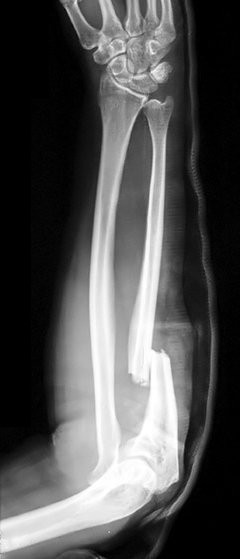
Osteoporosis, also known as bone loss, is a condition in which bones become weak, thin, and easily fractured due to decreased bone density and strength. Normally, bones fracture under significant pressure, such as from a blow, a fall from a height, or a car accident. However, with osteoporosis, even minor forces, such as a sneeze or cough, can lead to a fracture.
Osteoporosis most commonly affects the hips, spine, and wrists. Bones consist of cells that are regularly replaced. Osteoporosis occurs when the process of creating new bone cells is not balanced with the loss of old bone cells. It can affect both men and women across all races and ethnicities.
It is estimated that 200 million people worldwide suffer from osteoporosis, and the number is growing. In the United States, approximately 54 million people have osteoporosis, while in Indonesia, 2 out of every 5 people are at risk. Osteoporosis often has no symptoms until it presents with noticeable issues. This disease is incurable, but proper treatment, a healthy diet, and proper exercise can help prevent bone density loss from becoming more serious.
Causes
Osteoporosis is considered a common bone disease. Throughout life, old bone cells are destroyed and new bone cells are created. As long as these processes are functioning well, there are no issues with bone tissue. In osteoporosis, however, an imbalance occurs between the production and destruction of bone cells. The body is unable to produce enough new bone cells to keep up with the loss of old bone cells.
Typically, until around age 30, the body produces more bone cells than are lost. However, after age 35, the absorption of old bone cells increases, surpassing the production of new bone cells, leading to a gradual decline in bone density. In women, the rate of bone cell breakdown accelerates after menopause. If left unchecked, this can result in osteoporosis.
Risk Factor
While both men and women can develop osteoporosis, research shows that women over 50 and postmenopausal women are at higher risk.
The risk of osteoporosis depends on the amount of bone mass you build during your youth. Peak bone mass is partially determined by genetics and varies across different ethnic groups. The higher your peak bone mass, the lower your risk of developing osteoporosis with age.
The following are risk factors for osteoporosis:
- Gender
Women are at higher risk because they have less bone tissue and tend to lose bone faster due to hormonal changes after menopause.
- Age
As you age, the risk of osteoporosis increases.
- Body size
People with smaller, thinner frames have a higher risk of osteoporosis due to having less bone mass.
- Ethnicity
Caucasians and Asians are more prone to osteoporosis, while individuals of African descent have a lower risk but may experience more severe complications if they do develop the condition.
- Family history
Genetics can play a role in osteoporosis. Individuals with a family history of fractures or osteoporosis are more likely to have lower bone mass.
- Sex hormones
In women, decreased estrogen levels after menopause can lead to lower bone density. Similarly, in men, declining testosterone levels can accelerate bone loss.
- Eating disorders
Conditions such as anorexia nervosa or bulimia nervosa increase the risk of osteoporosis due to inadequate intake of calcium and vitamin D, making individuals more prone to bone loss.
- Certain medications
Long-term use of medications like steroids, some anti-seizure drugs, or acid-lowering drugs can affect bone cell production and destruction.
- Lifestyle choices
A sedentary lifestyle with little physical activity can lead to weakened bones over time.
- Smoking
Smoking is believed to contribute to weakened bones and increases the risk of osteoporosis.
- Alcohol consumption
Excessive alcohol use, especially long-term, can lower bone density and increase the risk of osteoporosis.
- Medical conditions
Certain conditions can increase the risk of osteoporosis, such as:
-
- Hyperthyroidism (excess thyroid hormone)
- Hyperparathyroidism (excess parathyroid hormone)
- Inflammatory bowel disease
- Certain blood disorders like multiple myeloma (a type of white blood cell cancer)
Symptoms
Osteoporosis is often symptomless in its early stages, which is why it’s often called the “silent disease.” However, you should be aware of the following symptoms, especially if you are older:
- Loss of height over time
- A hunched posture
- Sudden bone fractures without a prior injury
- Chronic back pain
- Frequent fractures or bone breaks
- Shortness of breath
- Brittle and fragile nails
Diagnosis
To diagnose osteoporosis, a doctor will conduct a medical interview, physical examination, and diagnostic tests. During the interview, the doctor will ask about:
- The patient's primary complaints
- Additional symptoms
- Medical history
- Medication history, if any
- Lifestyle factors
- Family history of disease
The physical exam will include assessing the patient's general condition and vital signs. The doctor will also check posture, measure height and weight, and examine the affected bones. Additionally, they will examine bones that are more prone to osteoporosis, such as the hips, wrists, and spine.
Diagnostic tests may include:
- X-rays, CT scans, or MRIs to image the bones or surrounding tissues.
- Blood tests to assess factors like hormone levels that may affect bone density.
- Bone Mineral Density (BMD) testing, also known as Dual-Energy X-ray Absorptiometry (DEXA), to measure bone density and assess fracture risk.
Management
Osteoporosis cannot be cured, but its progression can be slowed. Treatment depends on the patient’s risk of fractures over the next 10 years and their overall health. Treatments may include lifestyle changes, supplements, and medication.
Lifestyle Changes
You will likely be advised to maintain a healthy lifestyle to slow down bone loss. Regular exercise can strengthen muscles and bones. Avoid excessive alcohol, caffeine, and smoking.
Adequate intake of calcium and vitamin D is also essential for bone health. Consult with a doctor to determine the appropriate daily intake, as excessive supplementation can increase the risk of conditions like kidney stones.
Medications
Various medications are available to slow down the progression of osteoporosis. Hormone therapy may be an option for postmenopausal women or patients with hormone imbalances contributing to osteoporosis. All treatments should be guided by a healthcare professional, as hormone therapy can have side effects.
Complications
Serious complications of osteoporosis include fractures, especially in the spine and hips. Hip fractures are often caused by falls and can result in permanent disability or even death within the first year after injury.
Meanwhile, spinal fractures can occur without any incident of falling. The bones that make up the spine can weaken on their own due to the drastically reduced bone density and changing body posture.
Patients may experience limited mobility, affecting their psychological well-being and potentially leading to stress. Some individuals may require assistance with daily activities.
Prevention
The key to preventing osteoporosis is adopting a healthy lifestyle:
- Exercise and Physical Activity
Exercise can maintain bone density, reduce the risk of falls, and strengthen muscles, which can decrease fracture risk by up to 40%.
- Adequate Calcium Intake
Eating calcium-rich foods helps maintain bone health. Good sources of calcium include green leafy vegetables, dairy products, salmon, sardines, tofu, and fortified orange juice. The recommended daily intake for men and women aged 18–50 is 1,000 milligrams.
- Vitamin D
Most people need about 600 IU (International Units) of vitamin D per day. Sunlight is a natural source of vitamin D. You can expose your arms and legs to the sun for 5-15 minutes in the morning, around 9 AM, while protecting other areas of the body, like your head and neck, with sunscreen or a hat.
- Avoid Smoking and Alcohol
Avoiding smoking and excessive alcohol consumption will help ensure the proper absorption of nutrients like vitamin D and calcium in the body.
When to See a Doctor?
As you age, your risk of osteoporosis increases. If you have risk factors or are concerned about the disease, you should request screening at a healthcare facility. Osteoporosis can significantly impact your quality of life. See a doctor if you experience an injury, fall, or severe back pain.
Looking for more information about other diseases? Click here!
- dr. Alvidiani Agustina Damanik
Cleveland Clinic - Osteoporosis. (2020). Retrieved 17 August 2022, from https://my.clevelandclinic.org/health/diseases/4443-osteoporosis
Mayoclinic - Osteoporosis. (2021). Retrieved 17 August 2022, from https://www.mayoclinic.org/diseases-conditions/osteoporosis/symptoms-causes/syc-20351968
Infodatin - Situasi Osteoporosis di Indonesia. Retrieved 17 August 2022, from https://pusdatin.kemkes.go.id/resources/download/pusdatin/infodatin/Infodatin-Osteoporosis-2020.pdf
MedlinePlus - Osteoporosis. (2018). Retrieved 17 August 2022, from https://medlineplus.gov/osteoporosis.html

/62d2449c2c10c.jpg)