Definition
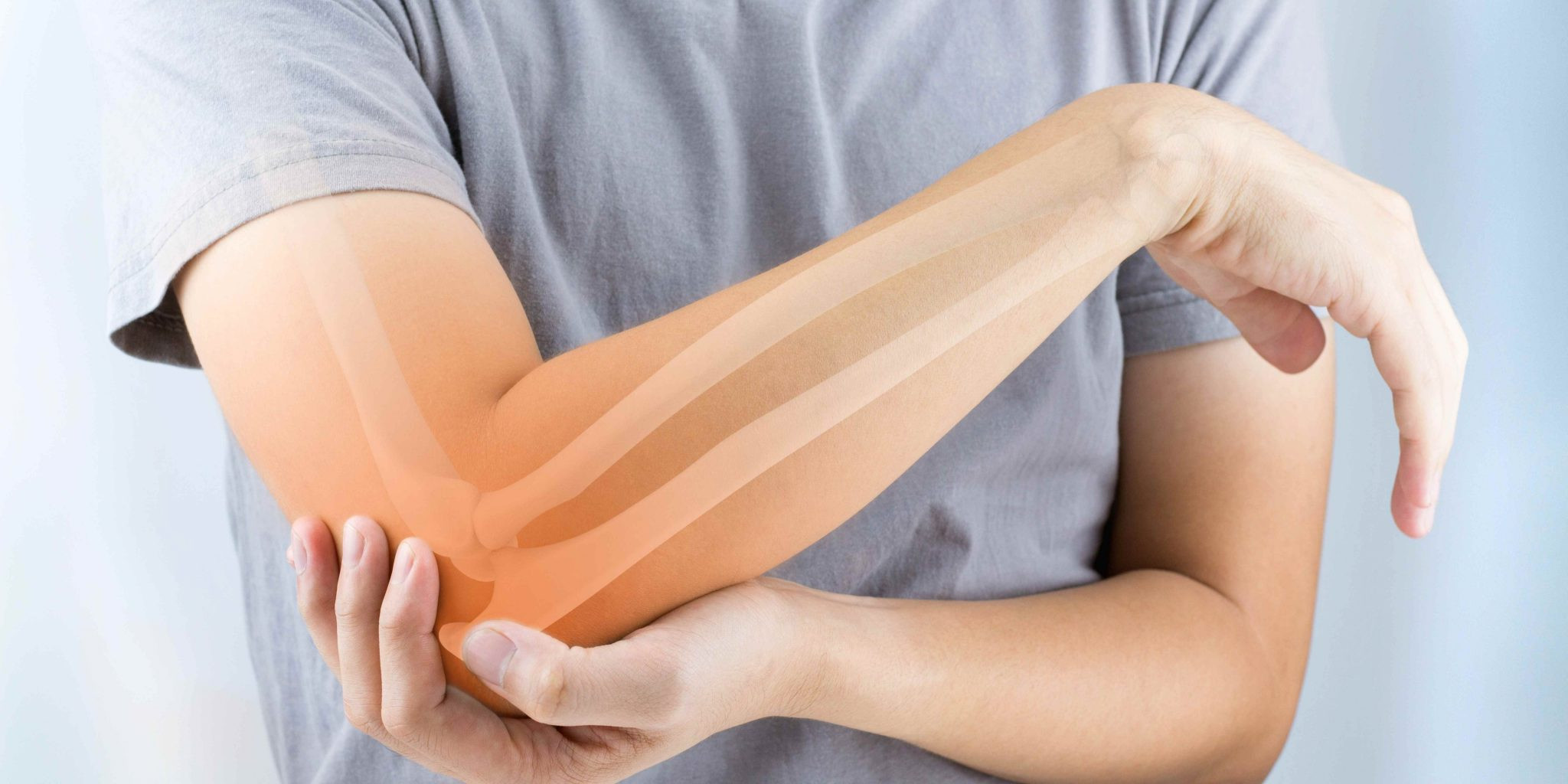
Arthritis refers to an inflammatory condition that affects the joints. It can be either acute (developing quickly) or chronic (persisting for a long time). Individuals with arthritis typically report symptoms such as pain, joint stiffness that limits movement, and in some cases, deformities or changes in the shape of the joints.
Causes
Several medical conditions can lead to joint inflammation, with the most common types of arthritis outlined below.
Osteoarthritis (OA)
Osteoarthritis is marked by the progressive loss of cartilage in the joints, which leads to damage to the bones. This condition often affects older adults as the cartilage between joints naturally wears down with age. As a result, the bones begin to rub together, causing pain and joint deformity. The knee joint is the most commonly affected area for OA.
Rheumatoid Arthritis (RA)
Rheumatoid arthritis is an autoimmune disease that causes widespread inflammation throughout the body. It occurs when the immune system mistakenly attacks the body's healthy cells. RA is triggered by a combination of genetic and environmental factors, leading to an overactive immune response.
Since rheumatoid arthritis is an autoimmune condition, it is often seen alongside other autoimmune diseases. Juvenile idiopathic arthritis is a form of RA that primarily affects children under 16 years of age.
Gout Arthritis
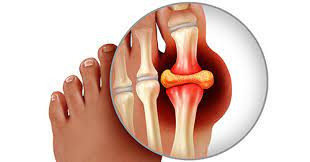
Gout is an inflammatory condition caused by the accumulation of urate crystals in the joints, typically resulting from hyperuricemia, which is prolonged high levels of uric acid in the blood. The big toe joint is the most commonly affected site. Though several genetic mutations can lead to hyperuricemia, they only account for about 10% of gout cases.
Septic Arthritis
Septic arthritis refers to acute joint inflammation caused by a bacterial infection, such as Staphylococcus aureus. This condition results in cloudiness of the synovial fluid. It is more likely to occur in patients with pre-existing risk factors, including trauma, a weakened immune system, advanced age, diabetes, the use of prosthetic joints, or rheumatoid arthritis.
Other Diseases
Arthritis can also be associated with several other diseases, including:
-
Inflammatory bowel disease, a chronic condition that causes inflammation in the gastrointestinal tract.
-
Psoriasis, a chronic skin condition that leads to thick, itchy, reddish-white scales.
-
Celiac disease, an autoimmune disorder that affects the small intestine.
-
Sjögren’s syndrome, an autoimmune disease often marked by dry mouth and eyes, as well as muscle and bone pain.
-
Systemic sclerosis, a group of rare diseases that cause the hardening of skin and connective tissues.
Risk Factor
The risk factors for arthritis depend on the specific type of arthritis an individual has. For osteoarthritis, the most significant risk factors include age, gender, and excess weight. As people age, osteoblast activity (the production of bone-forming cells) decreases, making older individuals more susceptible to OA.
Women
Women are two to three times more likely to develop osteoarthritis compared to men. While the exact cause is unknown, research suggests that estrogen plays a role in the development of OA. The risk is even greater in postmenopausal women, as estrogen production declines, which affects bone growth and density.
Overweight
Being overweight increases the risk of arthritis because the additional weight puts more stress on the joints that support the body. The more body weight an individual carries, the greater the strain on the joints.
Genetic Factors
In rheumatoid arthritis, genetic factors such as family history or the presence of certain genetic markers, like HLA (human leukocyte antigen), contribute to the risk. The HLA-DRB1 gene plays a significant role in the development of RA. Other genes, such as STAT4, TRAF1, C5, and PTPN22, also contribute to the disease, though they are less significant. These genes may be inherited within families with a history of rheumatoid arthritis.
Gout
In gout arthritis, the primary risk factor is elevated uric acid levels, which result from purine metabolism (a type of protein).
History of Injury
Septic arthritis may develop after a prior injury, which increases the risk of infection as germs can enter the body through the wound.
Lifestyle Habits
Lifestyle factors like smoking and nutrition are closely related to the development of arthritis. Exposure to cigarette smoke and chemicals increases oxidative stress, which reduces antioxidants in the body. Additionally, deficiencies in calcium and vitamin D are linked to the development of arthritis.
Symptoms
Common symptoms of arthritis include:
-
Pain, which may occur with activity or even at rest.
-
Swelling around the joint.
-
Stiffness during movement.
-
Deformities or changes in the shape of the joint.
-
Weakness and instability in the joint, leading to a limited range of motion.
In the case of septic arthritis, joint inflammation may be accompanied by redness of the skin around the joint. The joint may feel warm to the touch. The pain from arthritis often worsens with activity and is most intense in the afternoon or evening, following a day of activity.
In some cases, additional symptoms like fever, swollen lymph nodes, and a red rash may appear. These symptoms are often seen in younger patients, such as those with juvenile arthritis.
Diagnosis
To diagnose arthritis, your doctor will inquire about your medical history and perform a physical examination to understand the nature of your joint inflammation. Arthritis symptoms need to be differentiated from those of other muscle and bone conditions. The doctor will determine whether the pain is originating from your joints.
Additional tests may be required to confirm the diagnosis. These may include laboratory tests and radiological examinations such as X-rays, CT scans, or MRIs. The specific tests depend on the type of arthritis. For example, autoimmune marker testing is done for rheumatoid arthritis, and joint fluid cultures are used to diagnose septic arthritis.
Management
The most prominent symptom of arthritis is joint pain. Painkillers such as acetaminophen or paracetamol can be used for first aid at home, but it is best to consult a healthcare provider first.
Complications
The severity of arthritis can lead to various complications, particularly in older individuals, those with obesity, and people who experience inflammation in multiple joints. Possible complications include impaired joint function with deformities, reduced performance and diminished quality of life.
Prevention
Arthritis can often be prevented through regular exercise to maintain joint flexibility. For younger individuals, exercise is crucial in preventing degenerative diseases (diseases that involve gradual decline in cell function and are often associated with aging). Swimming is an excellent exercise choice for those with arthritis as it places minimal stress on the joints.
It is also essential to avoid excessive and prolonged joint activities. Rest is important if joint pain symptoms arise. Eating foods rich in antioxidants, vitamin D, and calcium is beneficial for maintaining healthy bones and joints. Additionally, maintaining a healthy weight helps reduce the risk of arthritis by reducing stress on the joints.
When to See a Doctor?
If you experience symptoms like pain, stiffness, or limited joint movement that interfere with your daily life and affect joint performance, you should consult a doctor. The sooner you identify your condition, the more likely you are to receive timely and appropriate treatment to prevent complications.
Looking for more information about other diseases? Click here!
- dr Hanifa Rahma
Senthelal, S., Li, J., Ardeshirzadeh, S., & Thomas, M. A. (2022, June 19). Arthritis - StatPearls - NCBI Bookshelf. Arthritis - StatPearls - NCBI Bookshelf. Retrieved October 11, 2022, from https://www.ncbi.nlm.nih.gov/books/NBK518992/.
Juvenile idiopathic arthritis - Symptoms and causes. (2022, October 5). Mayo Clinic. Retrieved October 11, 2022, from https://www.mayoclinic.org/diseases-conditions/juvenile-idiopathic-arthritis/symptoms-causes/syc-20374082.
Arthritis: Symptoms, Causes, Types & Treatment. Cleveland Clinic. Retrieved October 11, 2022, from https://my.clevelandclinic.org/health/diseases/12061-arthritis.