
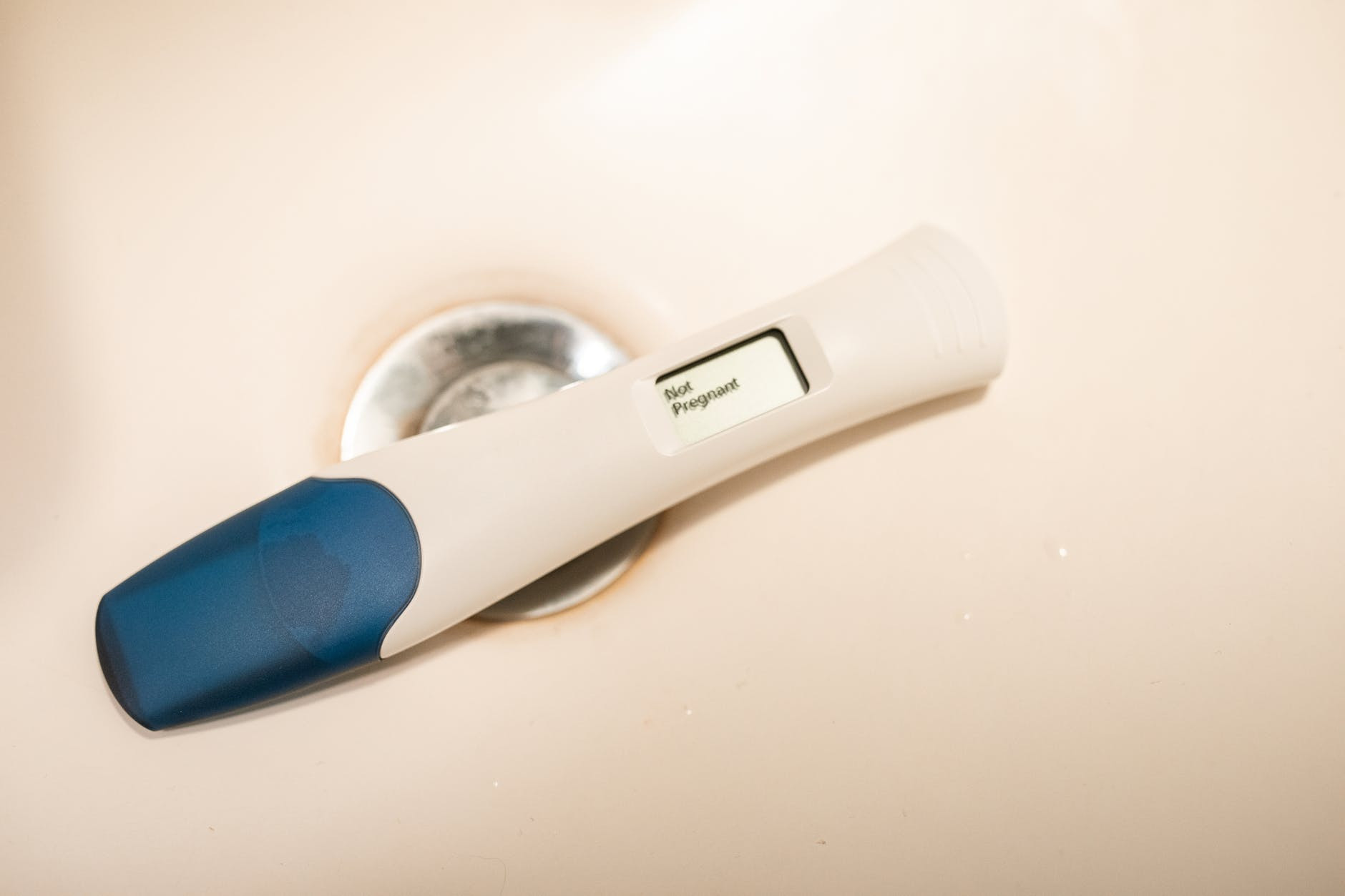
Many couples hope to conceive soon after marriage. Yet not all women experience pregnancy right away. Some couples wait for a year, two, three years, or even a decade.
A powerful wish to conceive can influence a person’s psychological state. As a result, a woman may notice pregnancy symptoms even though she is not actually pregnant.
Pseudocyesis, described by WebMD as a false pregnancy, occurs when a woman believes she is pregnant despite not actually being pregnant. Women with pseudocyesis often report general pregnancy symptoms, such as weight gain, nausea, or hip discomfort.
Causes
Psychological factors are widely recognized as the primary etiology of pseudocyesis. When a woman strongly desires pregnancy, her body may display several symptoms that resemble the symptoms of pregnancy, including breast swelling, a larger abdomen, and even perceived fetal movements. The brain can misread these cues as proof of conception and stimulate hormones such as estrogen and prolactin, which lead to symptoms similar to a true pregnancy.
Researchers also note that poverty, lower education status, history of sexual abuse or childhood trauma can contribute to the occurence of false pregnancy.
According to americanpregnancy.org, additional contributors to false pregnancy include:
-
Repeated miscarriages
-
Infertility
-
Loss of a child
-
Mental disorders
Symptoms
People experiencing pseudocyesis typically develop symptoms that mirror a real pregnancy. According to WebMD, symptoms of false pregnancy may include:
-
Missed periods
-
Abdominal enlargement
-
Breast enlargement, nipple changes, and even nipple milk discharge
-
Sensations resembling fetal movement
-
Nausea and vomiting
-
Weight gain
These symptoms are not limited to just a day or two. They can persist for weeks, for nine months, or even for years. However, true labor contractions are unlikely.
Diagnosis
Because pseudocyesis can imitate nearly every aspect of pregnancy, a doctor must verify pregnancy status with a confirmatory test. The assessments a clinician may use include:
-
Pelvic examination: to evaluate whether fertilization has occurred.
-
Urine test: to check for pregnancy or for other conditions, such as cancer.
-
Ultrasound: a test that visualizes fetal development in the uterus. Ultrasound is the only test that can confirm pregnancy with complete certainty.
Dealing with a False Pregnancy
Discovering that you are not pregnant can be deeply disappointing. Before sharing this reality, it is important to have clear evidences showing that the "current pregnancy symptoms" are not real. Psychological support and counseling should also be offered to help process the disappointment and adjust to the facts.
Are you noticing pregnancy symptoms? Keep monitoring your pregnancy status and fetal well-being so your doctor can safeguard your health and your baby’s health through delivery.
Looking for more information about other diseases? Click here!
- dr Hanifa Rahma
American Pregnancy. What is a False Pregnancy?. Available from: https://americanpregnancy.org/getting-pregnant/false-pregnancy/
Johnson TC (2020). False Pregnancy (Pseudocyesis). Available from: https://www.webmd.com/baby/false-pregnancy-pseudocyesis#1.





