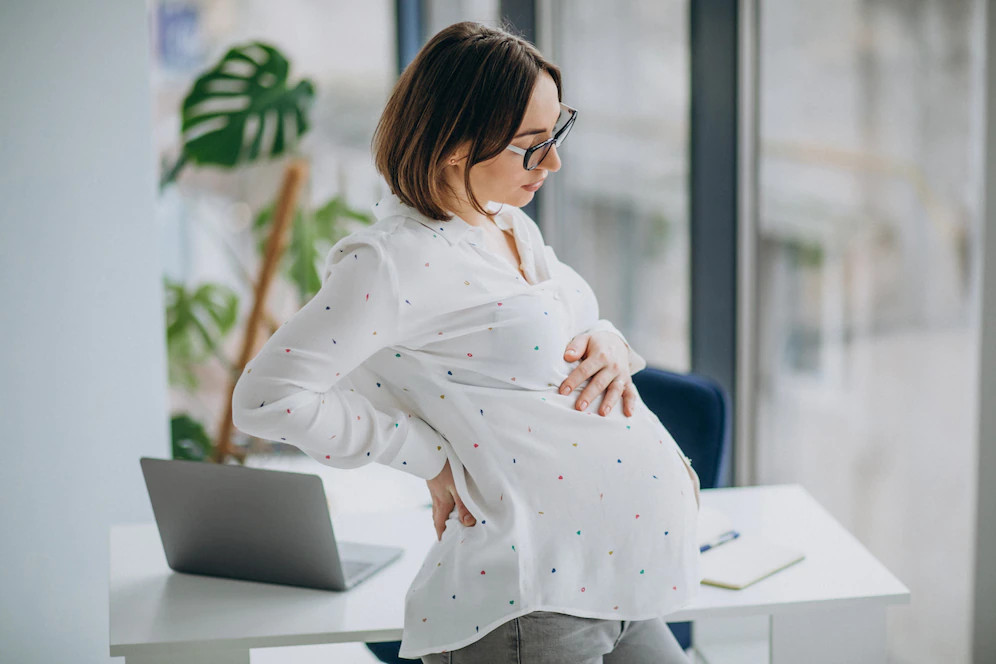
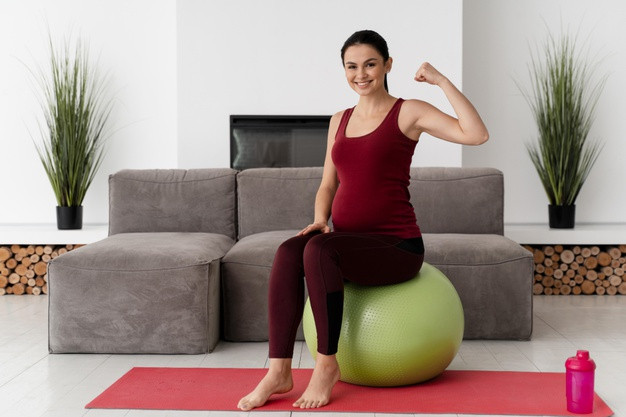
During pregnancy, it’s important to keep moving to maintain fitness. One relatively safe option is exercising with a birthing ball. This routine not only helps prepare for labor but can also be useful during and after delivery.
What Is a Birthing Ball?
A birthing ball is essentially the same type of gym exercise ball, but it’s built thicker, resists punctures, and has a non-slip surface to reduce the risk of sliding. These balls come in several sizes and other shapes, such as a peanut shape or with a tapered end. Used correctly, a birthing ball can support rest and help ease discomfort during labor.
Benefits of a Birthing Ball in Pregnancy and Birth
Birthing balls aren’t a must for every pregnant woman. Many go through pregnancy without using one. However, as noted by Healthline, birthing balls offer multiple benefits for expectant mothers. They can help lessen common complaints like back pain, stress, and pelvic or abdominal discomfort. One study found that pregnant women who exercised with a birthing ball reported lower pain and anxiety than those who did not.
1. Using a Birthing Ball During Pregnancy
In late pregnancy, frequent complaints include back pain, lower-back aches, and sore legs. You can swap your chair for a birthing ball when relaxing at home, such as while watching TV. Sitting on a birthing ball helps engage the core and back muscles, reduces back pain, and supports better posture.
2. Birthing Ball Benefits During Labor
If you’re planning a vaginal delivery, you can bring a birthing ball into the labor room to help you find a comfortable position. Sit and gently sway side to side, or sit and lean forward so your partner can massage your back. A birthing ball may help ease contractions, reduce anxiety during labor, and open the pelvis, making it easier for the baby to descend into the birth canal.
3. Birthing Ball Benefits After Delivery
Beyond labor, a birthing ball can be useful postpartum. You can breastfeed while sitting on the ball or do light exercises with it. After birth, soreness in the vaginal and anal areas can make sitting uncomfortable. To manage this, try sitting on a birthing ball until you feel more at ease.
Exercising with a birthing ball offers many benefits for pregnant women. Before trying it at home, it’s wise to practice with an instructor who can guide you to safe movements and positions for pregnancy. Choose a ball that fits your height and posture. Although the material is designed to be safe, you should still move carefully to avoid injury.
If you notice any health concerns while or after using a birthing ball, consult your obstetrician. Keep up with routine check-ups as well, especially once you reach the third trimester.
Looking for more information about pregnancy, breastfeeding, women's and children's health? Click here!
- dr Hanifa Rahma
Healthline. What Is a Birthing Ball and Should I Use One? (2019). Available from: https://www.healthline.com/health/pregnancy/what-is-a-birthing-ball-and-should-i-use-one.
Baby Centre. Using a birthing ball. Available from: https://www.babycentre.co.uk/a1048463/using-a-birthing-ball.