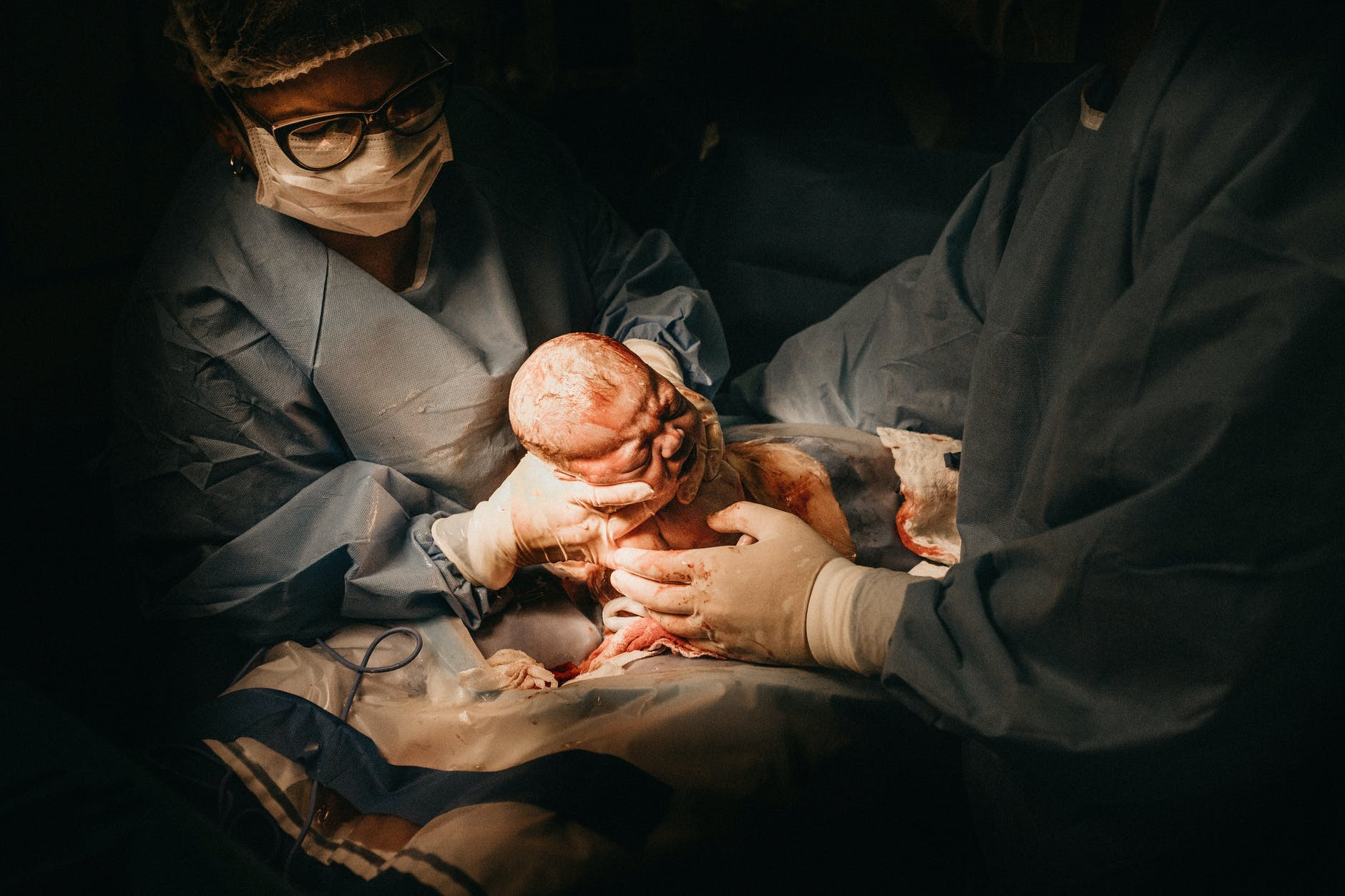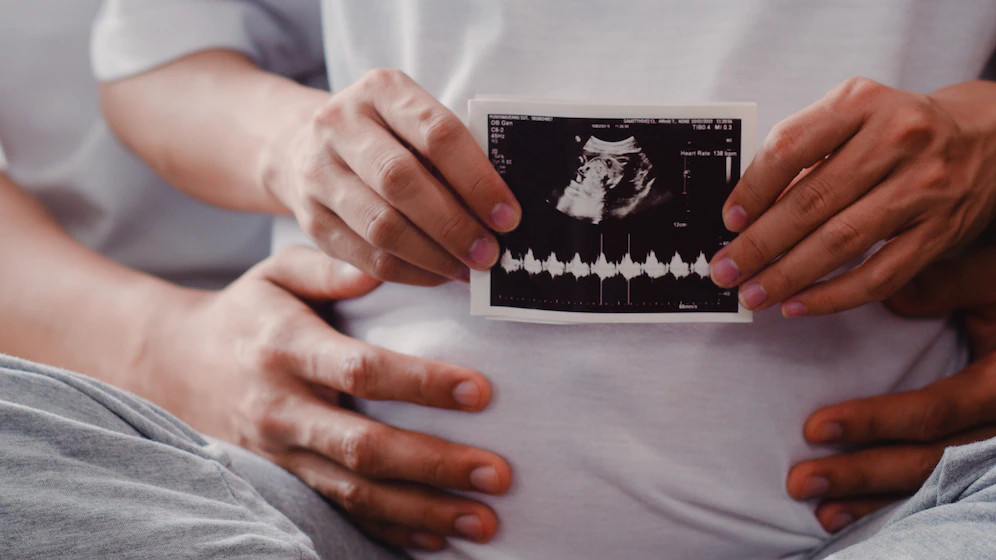
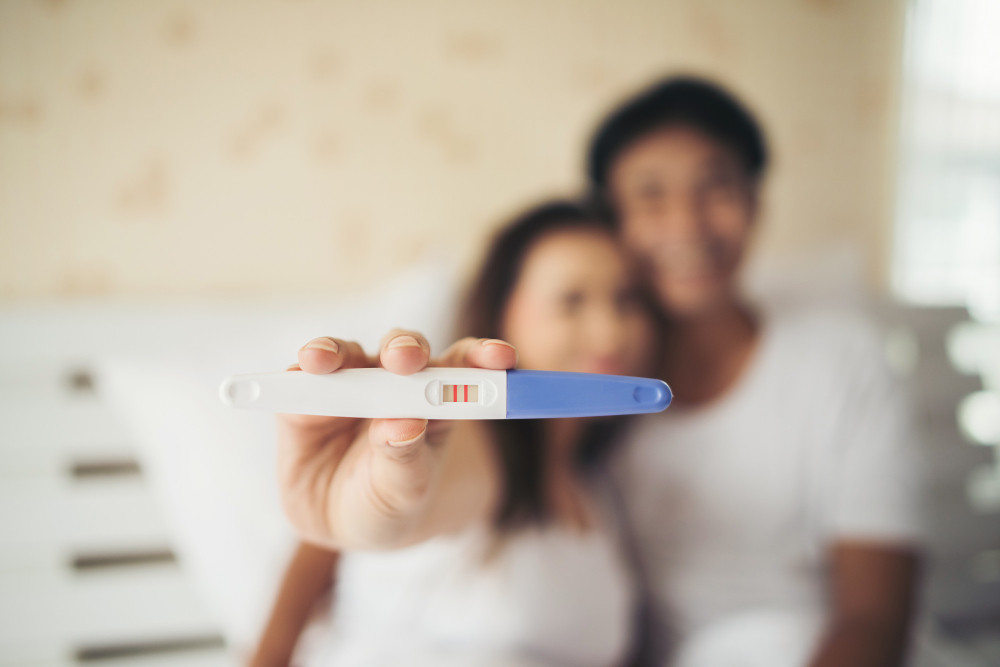
In vitro fertilization (IVF) is a method in which fertilization takes place in a laboratory. After the egg is fertilized and an embryo forms, the embryo is subsequently transferred into the uterus, so the implantation process can occur. This approach can help couples who wish to have children but are facing fertility issues.
Key Factors That Influence IVF Success
The journey of IVF is complex and requires significant time, financial resources, and effort. To improve the odds of success, there are several preparations you can make in advance. In addition, a number of other elements can affect the success rate of IVF. If both you and your partner have decided to have IVF, consider the following factors that contribute to IVF success.
Age
Age plays a major role in IVF outcomes. According to the NHS, younger women generally have a higher chance of success than older women.
For women under 35, the IVF success rate is about 32%. For those 35 to 37 years old, the chance is around 25%, and for women over 40, the success rate ranges from 4% to 11%.
Age strongly influences fertility and the overall course of pregnancy. As women get older, egg quality declines. Pregnancy after 35 years old also comes with higher risks during pregnancy and childbirth. Careful planning is important before IVF, especially with regard to maternal age.
Sperm Quality
Beyond egg quality, sperm quality also contributes as one of the factors to help IVF succeed. Before IVF, a semen analysis is used to assess sperm count, motility (the ability to move properly), and morphology (size and shape). Effective IVF requires an adequate sperm count as well as good sperm quality across these parameters.
Sperm age also affects the quality of the specimen used for fertilization. On the day sperm is collected, it is advisable to avoid sexual intercourse for at least two days but not more than five days beforehand. This interval helps produce motile sperm.
Embryo Quality
After retrieving the eggs and sperms, the next step is incubation to monitor normal fertilization and embryo development. Once fertilization occurs, embryos are transferred back into the uterus so implantation can occur. Typically, embryos that will be selected are 3 to 5 days old. Higher quality embryos are associated with better IVF success.
Implantation Success
Implantation is the final stage and is the point at which the IVF attempt either succeeds or fails. Implantation occurs when the embryo attaches to the uterine lining and continues to grow. Even high-quality embryos may still fail to implant.
Implantation outcomes depend largely on uterine health, including structural issues or inflammation. Hormonal problems, infections, immune-related factors, and other conditions can also interfere with embryo attachment during transfer.
In vitro fertilization is a complex process, and many variables influence the result. The positive news is that some factors, such as egg and sperm quality and uterine health, can be optimized before trying to conceive. For this reason, comprehensive testing is recommended before IVF to improve your chances of success for both you and your partner.
Looking for more information about pregnancy, breastfeeding, women's and children's health? Click here!
- dr Hanifa Rahma
Lewis, R. (2020). All About IVF Embryo Grading. Available from: https://www.healthline.com/health/infertility/embryo-grading
WebMD. (2021). Infertility and In Vitro Fertilization. Available from: https://www.webmd.com/infertility-and-reproduction/guide/in-vitro-fertilization
NHS. IVF. Available from: https://www.nhs.uk/conditions/ivf/
Wagner, K. (2021). What Is In Vitro Fertilization (IVF)?. Available from: https://www.verywellhealth.com/ivf-5119348
Mayo Clinic. In Vitro Fertilization (IVF). Available from: https://www.mayoclinic.org/tests-procedures/in-vitro-fertilization/about/pac-20384716