
Definisi
Fraktur tertutup (closed fracture) adalah patah tulang yang bagian patahannya tidak ada yang menembus kulit. Hal ini penting untuk membedakan jenis fraktur baik itu fraktur tertutup atau fraktur terbuka (open fracture) karena penanganannya akan berbeda dan fraktur terbuka memiliki risiko infeksi yang lebih besar dibandingkan fraktur tertutup.
Fraktur tertutup akan tetap membutuhkan tindakan pembedahan atatu operasi, namun tindakan operasi dan pembedahan pada kasus fraktur tertutup bukan merupakan suatu tindakan darurat yang perlu dilakukan segera, bergantung dengan lokasi dan seberapa parah derajat kepatahan dari tulangnya.
Bahkan pada beberapa kasus fraktur tertutup, pengobatan berupa tindakan atau pembedahan tidak perlu dan bila memang perlu, dapat dilakukan beberapa minggu setelah fraktur terjadi. Walaupun tidak menembus kulit, tetap ada kemungkinan terjadinya cedera pada jaringan lunak disekitar patahan tulang (misal otot, dan ligamen) yang harus ditangani.
Contoh fraktur tertutup yang sering terjadi antara lain adalah:
- Fraktur tertutup pada tulang pergelangan tangan (sering terjadi pada anak-anak)
- Fraktur tertutup pada tulang panggul (sering terjadi pada usia lanjut akibat osteoporosis dan terjatuh)
- Fraktur tertutup pada tulang pergelangan kaki (sering terjadi pada atlet)
- Fraktur tertutup pada tulang belakang (sering terjadi akibat adanya tekanan berlebih pada tulang belakang dan akibat proses penyakit osteoporosis)
Penyebab
Fraktur tertutup sering terjadi akibat berbagai penyebab. Sama seperti fraktur pada umumnya, fraktur tertutup paling sering terjadi akibat adanya tekanan berlebih yang diberikan pada tulang. Tekanan berlebih pada tulang dapat disebabkan akibat terjatuh, kecelakaan bermotor, atau cedera pada olahraga. Namun, fraktur tertutup juga dapat disebabkan karena penggunaan anggota gerak yang berlebihan atau biasa disebut dengan nama stress fracture. Selain itu, fraktur tertutup juga dapat disebabkan akibat adanya perlunakan atau kelemahan pada tulang itu sendiri.
Pelunakan tulang yang tidak semestinya biasa disebut juga dengan nama fraktur patologis sebagai hasil dari penyakit-penyakit tertentu seperti infeksi, tumor, dan osteoporosis.
Jika Anda ingin mengetahui lebih lanjut mengenai osteoporosis, Anda dapat membacanya di sini: Osteoporosis - Definisi, Penyebab, Gejala dan Pengobatannya
Faktor Risiko
Secara umum, faktor risiko dari fraktur tertutup kurang lebih mirip dengan fraktur lainnya, di antaranya:
- Merokok
- Penggunaan alkohol berlebihan
- Usia lanjut
- Berat badan berlebih (obesitas)
- Menderita penyakit diabetes, rheumatoid arthritis, kanker tulang, osteoporosis, dan penyakit kronis lain seperti chron’s disease
- Penggunaan obat-obatan yang mengandung steroid
- Riwayat pernah mengalami fraktur sebelumnya
- Riwayat fraktur di keluarga
- Menderita penyakit infeksi
- Riwayat menderita tumor
- Kekurangan vitamin D dan kalsium
- Riwayat cedera dan terjatuh
- Profesi atlet
- Tingginya aktivitas dan mobilitas
Gejala
Gejala dari fraktur tertutup akan bervariasi dan bergantung dengan kondisi pasien, penyebab fraktur, mekanisme cedera, dan lokasi terjadinya fraktur. Namun secara umum gejala dari fraktur tertutup tidak jauh berbeda dengan gejala fraktur pada umumnya, yakni:
- Nyeri pada lokasi fraktur
- Bengkak pada lokasi fraktur
- Memar pada lokasi fraktur
- Adanya perubahan warna pada kulit di sekitar tulang yang patah
- Adanya penonjolan pada sudut tulang yang patah
- Ketidakmampuan menaruh beban pada tulang yang patah
- Ketidakmampuan menggerakkan anggota gerak dari bagian tulang yang patah
Diagnosis
Dalam menegakkan diagnosis fraktur tertutup, dokter perlu melakukan anamnesis atau wawancara medis, pemeriksaan fisik, dan pemeriksaan penunjang agar tata laksana dapat diberikan dengan sesuai.
Wawancara Medis
Wawancara medis merupakan proses ketika dokter melakukan wawancara dengan pasien untuk menggali penyebab dan faktor risiko dari penyakit. Pada kasus fraktur tertutup dokter akan bertanya mengenai:
- Keluhan utama pasien
- Keluhan penyerta
- Adanya riwayat cedera, bila ada, seperti apa mekanisme cedera secara detail
- Riwayat penyakit pasien
- Riwayat penyakit di keluarga pasien
- Riwayat pengobatan tertentu
Pemeriksaan Fisik
Selanjutnya dokter akan melakukan pemeriksaan fisik. Pemeriksaan fisik untuk mendiagnosis fraktur tertutup dimulai dengan melakukan pemeriksaan keadaan umum, memeriksa tekanan darah pasien, suhu tubuh, nadi, dan laju napas. Selanjutnya juga dokter akan melakukan pemeriksaan lebih spesifik pada lokasi yang terkena fraktur. Dokter akan menilai:
- Look : melihat adanya kelainan bentuk, perubahan warna, luka, perdarahan, bengkak dan memar
- Feel : meraba bagian yang mengalami fraktur untuk memastikan adanya nyeri, perubahan suhu dan cedera di sekitar bagian fraktur
- Move : menggerakkan bagian yang terkena fraktur untuk melihat derajat keparahan dari fraktur yang terjadi
Pemeriksaan Penunjang
Bila diperlukan, dokter akan merekomendasikan beberapa pemeriksaan penunjang untuk memberikan gambaran yang lebih jelas mengenai fraktur tertutup. Pemeriksaan penunjang yang utama untuk mengevaluasi fraktur tertutup adalah dengan pemeriksaan radiologis X-Ray, CT-Scan, dan MRI.
Pemeriksaan X-Ray adalah standar untuk mendiagnosis fraktur tertutup dan memberikan dokter gambaran lebih jelas mengenai jenis dan keparahan fraktur. CT-Scan dan MRI dapat dilakukan bila perlu dan ada indikasi tertentu. Semua akan dipertimbangkan oleh dokter yang mendiagnosis.
Tata Laksana
Seperti fraktur pada umumnya, prinsip pengobatan dari fraktur tertutup adalah untuk menggabungkan tulang yang patah menjadi satu bagian yang utuh, mengontrol nyeri, menghindari komplikasi, dan mengembalikan fungsi dari tulang yang patah.
Beberapa pengobatan yang dapat dilakukan untuk fraktur tertutup meliputi:
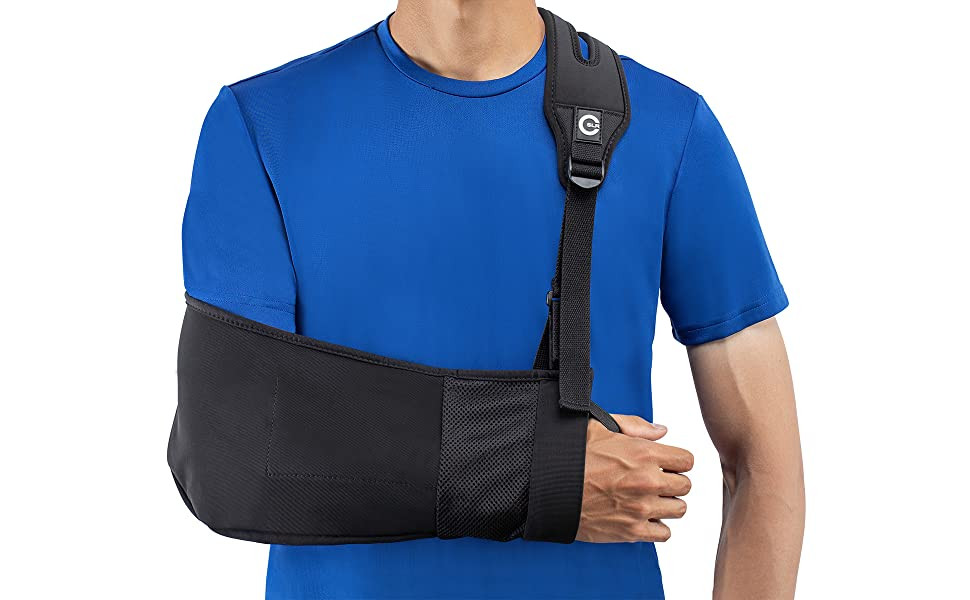
- Penggunaan bidai dan gips: Bidai adalah metode imobilisasi menggunakan alat untuk menyangga anggota badan agar tidak bergerak, sehingga dapat mendukung proses penyembuhan tulang. Sedangkan gips adalah metode imobilisasi menggunakan balutan serat yang mengandung kalsium sulfat yang akan dicetak sesuai dengan bentuk anggota tubuh yang patah. Penggunaan bidai atau gips ini ditentukan oleh dokter spesialis bedah tulang berdasarkan derajat keparahan fraktur.
- Obat: Obat digunakan untuk membantu mengatasi nyeri. Pemberian obat ini akan bergantung dengan keparahan nyeri yang dirasakan pasien. Selain obat anti-nyeri, dokter juga dapat memberikan suplementasi kalsium bila perlu untuk membantu mendukung pertumbuhan tulang.
- Traksi: Metode traksi berguna untuk menarik tubuh menggunakan beban seperti katrol atau tali supaya tulang meregang ke arah tertentu. Metode ini juga digunakan untuk mengurangi pergerakan tulang, membuat tulang menjadi sejajar, dan mengurangi kelainan bentuk di tulang.
- Operasi: Tindakan operasi harus dilakukan pada beberapa jenis fraktur tertutup. Dokter spesialis bedah tulang akan menggunakan alat bantu seperti pin besi untuk membantu menyambungkan tulang. Pin besi dapat dipasang di dalam tulang dan lebih dikenal dengan fiksasi internal, atau di luar tulang fiksasi eksternal. Tentunya tindakan ini hanya bisa dikerjakan oleh dokter spesialis bedah tulang (ortopedi).
Komplikasi
Komplikasi dari fraktur tertutup yang dapat terjadi antara lain:
- Infeksi tulang
- Kelainan bentuk tulang atau malunion
- Penurunan fungsi tulang dalam bergerak baik sementara atau permanen
- Sindrom kompartemen
- Infeksi lokal pada bagian tulang yang terkena fraktur atau selulitis
Baca selengkapnya mengenai selulitis, di sini: Selulitis - Definisi, Penyebab, Gejala dan Pengobatannya
Pencegahan
Guna mencegah terjadinya fraktur tertutup, Anda dapat melakukan hal-hal berikut:
- Menghindari cedera dengan berkendara secara hati-hati
- Mengonsumsi makanan kaya akan vitamin D dan kalsium seperti susu, kacang-kacangan, salmon, dan sayuran hijau
- Mengonsumsi suplemen vitamin D dan kalsium bila perlu
- Melakukan olahraga dan aktivitas fisik di bawah sinar matahari secara rutin
Kapan Harus ke Dokter?
Segeralah ke dokter bila Anda mengalami penurunan fungsi bergerak dan nyeri yang hebat terutama bila ada riwayat terjadinya cedera atau kecelakaan tertentu. Anda dapat menuju instalasi gawat darurat (IGD) kemudian dokter di IGD akan memberikan penilaian keluhan tersebut disebabkan fraktur tertutup atau bukan. Bila iya, dokter akan merujuk ke dokter ortopedi untuk ditangani dengan baik.
Mau tahu informasi seputar penyakit lainnya? Cek di sini, ya!
- dr. Monica Salim

C. Matthew, D. Marek, V. Rahul., (2022). Closed Fracture Treatments. Retrieved 24 November 2022, from https://www.ncbi.nlm.nih.gov/pmc/articles/PMC8873430/
Cleveland Clinic - Bone Fractures. (2020). Retrieved 24 November 2022, from https://my.clevelandclinic.org/health/diseases/15241-bone-fractures
VeryWellHealth - The Treatment of Closed Fracture (2022). Retrieved 24 November 2022, from https://www.verywellhealth.com/closed-fracture-2548518
WebMD - Understanding Bone Fracture: The Basics (2022). Retrieved 24 November 2022, from https://www.webmd.com/a-to-z-guides/understanding-fractures-basic-information
/62d2542a6fbfe.jpg)
/62d2449c2c10c.jpg)





