Definisi
Kaki adalah bagian tubuh yang terdiri atas tulang, pembuluh darah, otot, dan jaringan ikat lainnya. Struktur-struktur pada kaki tersebut sangat penting untuk pergerakan tubuh dan berdiri. Berolahraga, berlari, jatuh, atau kecelakaan dapat menyebabkan cedera pada kaki. Cedera ini dapat melibatkan otot, sendi, tulang, jaringan ikat dan pembuluh darah.
Penyebab
Penyebab cedera kaki sangat bermacam-macam, tergantung jenis cederanya. Contoh cedera kaki adalah sebagai berikut:
- Patah tulang
Patah tulang dapat disebabkan oleh jatuh dan sesuatu yang menabrak kaki dengan sangat keras. Tidak hanya itu, patah tulang juga bisa terjadi karena penyakit medis tertentu dan melakukan gerakan kaki yang sama secara berulang. Hal ini dapat menyebabkan tulang kaki lebih rentan patah.
- Cedera pada ligamen (sprain)
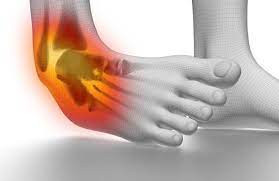
Cedera pada ligamen biasanya terjadi akibat menekuk atau memutar lutut dan/atau mata kaki. Cedera ini paling sering terjadi pada atlet, dan merupakan jenis cedera yang paling banyak dialami oleh para atlet.
- Cedera pada otot (strain)
Strain adalah robekan atau peregangan otot dan/atau tendon. Cedera otot kaki biasanya terjadi apabila kurang pemanasan sebelum olahraga, mengangkat beban terlalu berat, terpeleset, atau berlari.
- Dislokasi sendi
Dislokasi pada sendi area kaki ditandai dengan pergeseran tulang dari sendi yang seharusnya. Cedera jenis ini biasanya terjadi jika kaki mengalami benturan dengan benda.
Faktor Risiko
Faktor-faktor yang bisa meningkatkan risiko terjadinya cedera pada kaki antara lain:
- Berolahraga
- Berlari
- Jatuh
- Kecelakaan bermotor
Tidak hanya itu, cedera pada kaki juga dapat terjadi akibat penyakit tertentu. Contoh penyakit ini adalah osteoartritis (peradangan pada sendi yang seiring peningkatan usia) yang terjadi pada sendi lutut, yang sering terjadi pada orang berusia lanjut.
Gejala
Gejala cedera kaki bermacam-macam, tergantung jenis cederanya. Gejala-gejala tersebut adalah sebagai berikut:
- Patah tulang:
- Nyeri pada tulang yang terkena.
- Tungkai menekuk pada sudut yang aneh.
- Sulit berdiri atau bertumpu pada kaki yang cedera.
- Kesulitan menggerakkan kaki.
- Bengkak, memar, atau kemerahan.
- Sprain:
- Nyeri.
- Bisa terdengar suara “pop” pada saat cedera terjadi.
- Bengkak atau memar.
- Kekakuan otot.
- Strain:
- Nyeri.
- Bengkak.
- Kram atau kaku otot.
- Kelemahan.
Diagnosis
Diagnosis cedera pada kaki dapat melibatkan pemeriksaan fisik secara langsung dan pemeriksaan penunjang. Dokter dapat memeriksa pergerakan kaki secara aktif (pasien mencoba menggerakkan kakinya sendiri) atau pasif (dibantu oleh dokter). Tidak hanya itu, ada beberapa pemeriksaan fisik berupa manuver yang akan dilakukan oleh dokter untuk membuktikan adanya cedera.
Pemeriksaan penunjang yang biasanya dilakukan adalah pencitraan. Pencitraan rontgen dapat dilakukan untuk melihat posisi tulang dan sendi. Jika tidak ditemukan kelainan, dokter dapat melakukan computed tomography scan (CT scan) atau magnetic resonance imaging (MRI) untuk melihat adanya kerusakan jaringan ikat pada kaki. Kerusakan pada ligamen, otot, atau tendon (yang menyambungkan otot dan tulang) dapat dilihat menggunakan pencitraan tersebut.
Tata Laksana
Tata laksana cedera kaki tergantung pada posisi dan jenisnya.
Patah Tulang
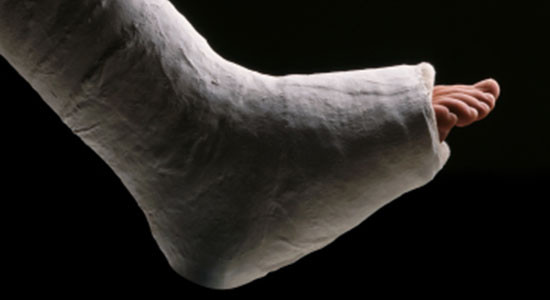
Patah tulang dapat melukai jaringan sekitar tulang atau bahkan melukai kulit, sehingga pertolongan kegawatdaruratan perlu dilakukan. Tata laksana tersebut dapat berupa pemasangan bidai dan gips, yang berfungsi untuk mempersempit ruang gerak tulang atau sendi hingga sembuh.
Selain itu, tata laksana tersebut dapat berupa pemasangan pen dan sekrup untuk menyambungkan bagian yang patah. Tidak hanya itu, tulang terkadang hanya membutuhkan tarikan, sehingga dapat dilakukan traksi. Traksi adalah metode penarikan tulang dengan pemberat yang dipasang di dekat tempat tidur Anda.
Sprain dan Strain
Sementara itu, pada kondisi sprain dan strain, Anda bisa melaksanakan langkah tata laksana awal dengan metode RICE, yaitu:
- Rest, istirahatkan kaki agar ligamen dan otot dapat kembali ke bentuk asalnya.
- Ice, es dapat meringankan pembengkakan.
- Compression, kompres dapat meringankan pembengkakan.
- Elevation, pengangkatan kaki yang dapat meringankan pembengkakan. Sendi yang mengalami cedera dapat diangkat.
Pada kondisi yang berat di mana cedera sudah memengaruhi jaringan-jaringan di sekitar kaki seperti pembuluh darah atau saraf, Anda harus mencari bantuan medis untuk mendapat penanganan yang tepat.
Dislokasi
Dislokasi sendi atau terpisahnya ujung-ujung tulang yang membentuk sendi, kondisi ini hanya dapat diperbaiki oleh tenaga medis yang telah ahli. Anda sangat tidak disarankan mengembalikan posisi sendi sendiri, karena dapat menyebabkan cedera lainnya yang tidak diinginkan. Namun, Anda dapat menaruh es pada bagian tersebut untuk menurunkan pembengkakan.
Komplikasi
Cedera kaki yang tidak ditangani dengan baik dapat menimbulkan berbagai komplikasi, seperti:
- Nyeri pada lutut atau pergelangan kaki. Patah tulang pada kaki dapat menyebabkan nyeri pada lutut atau pergelangan kaki.
- Infeksi tulang (osteomielitis). Patah tulang yang menembus kulit disebut sebagai fraktur terbuka. Fraktur ini dapat menyebabkan bakteri berkumpul di area luka.
- Penyembuhan yang buruk atau tidak sempurna. Hal ini terutama terjadi pada fraktur atau patah tulang tulang kering (tibia) karena jumlah pembuluh darah di daerah tersebut kurang.
- Sindrom kompartemen. Kondisi ini menyebabkan nyeri, bengkak, dan bahkan otot kaki tidak bisa digerakkan. Komplikasi ini jarang terjadi, namun paling sering terjadi pada kecelakaan lalu lintas.
- Panjang kaki yang tidak sama. Jika cedera kaki pada anak-anak mengenai plat pertumbuhan, kaki yang cedera dapat menjadi lebih pendek atau panjang dibandingkan kaki yang sehat.
- Kerusakan saraf dan pembuluh darah. Patah tulang kaki dapat mencederai saraf dan pembuluh darah terdekat. Jika terjadi rasa baal atau kulit pucat setelah mengalami cedera, Anda sangat disarankan untuk segera berobat ke IGD terdekat.
Pencegahan
Pencegahan cedera kaki sulit untuk diduga dan dicegah. Namun, untuk menurunkan risiko, Anda dapat melakukan hal-hal di bawah ini:
- Membangun kekuatan tulang
Hal ini dapat dicapai dengan konsumsi makanan dan minuman kaya kalsium, seperti susu, yogurt, dan keju. Suplemen kalsium dan vitamin D juga dapat diminum untuk membangun kekuatan tulang.
- Menggunakan sepatu olahraga yang sesuai
Anda dapat melakukannya dengan memakai sepatu olahraga yang sesuai dengan olahraga favorit Anda. Sebaiknya, sepatu olahraga juga diganti secara rutin. Jika terjadi kerusakan sol atau hak pada sepatu, segera buang sepatu tersebut. Hal yang sama perlu dilakukan apabila tinggi sepatu berbeda antara sisi kiri dan sisi kanan.
- Melakukan pemanasan sebelum berolahraga
Jika Anda hendak berolahraga, sebaiknya Anda melakukan pemanasan untuk meregangkan otot-otot Anda. Jika otot sudah dapat meregang dengan baik, Anda baru bisa melakukan olahraga.
- Mengganti aktivitas olahraga
Anda dapat mencegah cedera kaki dengan melakukan berbagai olahraga yang berbeda secara bergantian. Misalnya, Anda dapat bersepeda pada satu hari, dilanjutkan dengan berenang keesokan harinya, dan berlari lusa. Hal ini dapat mencegah cedera kaki akibat stres. Jika Anda berolahraga lari dengan treadmill yang ditinggikan, Anda dapat mengubah arah berlari Anda agar stres atau tekanan yang diterima oleh kaki Anda sama besarnya.
Kapan Harus ke Dokter?
Segeralah ke dokter jika Anda atau orang di sekitar Anda mengalami kecelakaan, jatuh, terbentur, dan sebagainya. Cedera, khususnya patah tulang, dapat berisiko mengalami komplikasi yang sangat tinggi. Selain itu, Anda sangat tidak disarankan untuk mengurut kaki yang mengalami cedera, terutama patah tulang terbuka.
Patah tulang terbuka yang tidak ditangani dengan benar dapat menyebabkan infeksi pada tulang yang disebut sebagai osteomielitis. Sebelum Anda membawa diri ke IGD terdekat, Anda dapat melakukan RICE seperti pada bagian Tata Laksana, atau melakukan pembidaian untuk mencegah pergerakan tulang dan sendi. Hal ini dilakukan untuk menurunkan risiko keparahan cedera kaki.
Mau tahu informasi seputar penyakit lainnya? Cek di sini, ya!
- dr Hanifa Rahma

Broken leg - Symptoms and causes. Mayo Clinic. (2022). Retrieved 5 September 2022, from https://www.mayoclinic.org/diseases-conditions/broken-leg/symptoms-causes/syc-20370412.
Leg Injuries | Leg Disorders: MedlinePlus. Medlineplus.gov. (2022). Retrieved 5 September 2022, from https://medlineplus.gov/leginjuriesanddisorders.html.
Robinson, J. (2021). Leg Injuries: Fractures, Sprains, Strains, and Dislocation. WebMD. Retrieved 5 September 2022, from https://www.webmd.com/first-aid/firstaid-leg-injury-care.