Definisi
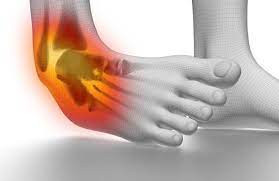
Sprain (keseleo) adalah kondisi ketika jaringan ligamen pada sendi menjadi teregang atau robek. Ligamen adalah jaringan ikat kuat yang menghubungkan dua tulang sehingga membentuk persendian. Lokasi sprain yang paling sering adalah pada pergelangan kaki, walaupun bisa terjadi juga pada lutut dan pergelangan tangan.
Bisa terjadi cedera pada satu atau lebih ligamen saat keseleo. Sprain berbeda dengan strain, di mana sprain adalah cedera pada ligamen, sedangkan strain adalah cedera pada otot atau tendon (jaringan yang menghubungkan otot ke tulang).
Tingkat keparahan sprain tergantung cedera yang terjadi pada ligamen, apakah ligamen hanya robek sebagian atau mengalami robekan total. Selain itu, jumlah ligamen yang cedera juga bisa memengaruhi derajat keparahan sprain.
Penyebab
Sprain terjadi ketika Anda memberi beban berlebih pada sendi yang membuat ligamen terlalu meregang hingga robek. Sprain bisa terjadi akibat cedera langsung pada sendi atau cedera tidak langsung. Umumnya, sprain bisa ditemukan pada anggota tubuh berikut dan sering terjadi pada kondisi seperti:
- Pada pergelangan kaki, sprain bisa terjadi akibat:
- Berjalan atau berolahraga pada permukaan yang tidak rata atau basah.
- Mendarat secara tidak sempurna setelah melompat.
- Berlari.
- Sprain pada lutut bisa timbul saat menekuk dan meluruskan sendi.
- Mendarat dengan tangan yang terentang saat jatuh bisa menimbulkan sprain pada pergelangan tangan.
- Pada ibu jari, sprain dapat terjadi bila ligamen meregang berlebihan saat bermain olahraga yang menggunakan raket misalnya tenis.
Lempeng pertumbuhan pada tulang anak yang terletak di ujung tulang umumnya lebih lunak. Ligamen yang berada di sekitar sendi seringnya lebih kuat dari lempeng pertumbuhan ini, sehingga anak-anak lebih rentan mengalami patah tulang dibandingkan dengan sprain.
Faktor Risiko
Baik orang mudah maupun lansia dapat berisiko mengalami sprain. Beberapa faktor yang berperan dalam meningkatkan risiko terjadinya sprain adalah:
- Memiliki riwayat mengalami sprain sebelumnya.
- Kondisi fisik yang buruk.
- Berat badan berlebih.
- Sering melakukan aktivitas fisik pada permukaan daratan yang tidak rata.
- Kondisi lingkungan seperti permukaan yang licin atau tidak rata.
- Otot yang lelah berisiko lebih rentan mengalami sprain saat sendi menerima tekanan yang cukup berat.
- Alas kaki yang tidak pas atau perlengkapan olahraga dapat berkontribusi terhadap risiko terjadinya sprain.
Gejala
Gejala dan tanda sprain bervariasi, tergantung dari tingkat keparahan cedera yang terjadi. Berikut adalah keluhan yang bisa timbul dari sprain, meliputi:
- Rasa sakit atau nyeri tekan.
- Bengkak atau memar.
- Pergerakan pada area yang cedera menjadi terbatas.
- Adanya suara atau sensasi “pop” pada area cedera.
- Ketidakstabilan pada sendi.
Diagnosis
Dokter akan bertanya mengenai keluhan yang dialami secara mendetail. Informasikan juga kejadian yang menimbulkan sprain. Selanjutnya dokter akan melakukan pemeriksaan fisik untuk melihat area tubuh yang cedera, seperti bila ada:
- Pembengkakan.
- Nyeri saat ditekan.
- Keterbatasan gerak dan stabilitas sendi.
Pemeriksaan pencitraan seperti rontgen bisa membantu untuk memastikan bila ada patah tulang atau cedera lain. Selain itu, MRI juga dapat membantu dokter mengevaluasi derajat keparahan cedera, apakah ligamen hanya meregang, robek sebagian atau robek total.
Tata Laksana
Sprain ringan dapat diobati sendiri di rumah. Terapi awal untuk sprain adalah R.I.C.E yang bisa dilakukan untuk mengurangi pembengkakan dan mempercepat penyembuhan cedera.
R.I.C.E
1. Rest (Istirahat)
Istirahatkan bagian tubuh yang cedera. Hindari aktivitas atau olahraga berat, serta usahakan agar Anda tidak memberi beban pada area tubuh yang cedera. Hal ini bertujuan untuk mencegah terjadinya cedera lebih lanjut.
2. Ice (Es)
Anda bisa menggunakan ice pack atau es batu yang dibalut dengan handuk atau kain pada area tubuh yang cedera. Kompres es ini bisa diberikan selama 15-20 menit dan dapat diulang setiap 2-3 jam. Anda bisa mengompres area sprain selama beberapa hari pertama setelah cedera. Pemberian kompres es bertujuan untuk meminimalisir pembengkakan. Hentikan pemberian kompres bila area tubuh mulai terasa kaku, kebas atau tidak nyaman.
3. Compression (Kompresi)
Untuk membantu menghentikan pembengkakan, Anda bisa memberi penekanan pada area sprain dengan perban elastis. Jangan membalut perban terlalu kencang karena aliran darah ke area cedera bisa terganggu. Ikatan perban bisa dikendurkan bila anggota tubuh yang berada di bawah bebatan perban menjadi sangat nyeri, terasa kebas atau terlihat semakin membengkak.
4. Elevation (Elevasi)
Tinggikan area tubuh yang cedera. Misalnya, Anda mengalami sprain di pergelangan kaki, Anda bisa meninggikan kaki dengan meletakkannya di atas bantal.
Obat-Obatan
Obat antinyeri yang dijual bebas seperti ibuprofen dan parasetamol juga dapat membantu untuk mengurangi rasa nyeri dan bengkak. Obat-obatan ini dapat berupa tablet, sirup, atau salep yang dioleskan pada kulit. Jika dibutuhkan karena keluhan nyeri tidak kunjung mereda, Anda bisa konsultasi dengan dokter untuk mendapat antinyeri yang lebih kuat.
Terapi Fisik
Jika Anda mengalam sprain yang tidak kunjung membaik, dokter dapat merujuk Anda ke fisioterapis. Fisioterapis dapat membantu Anda untuk memaksimalkan stabilitas dan kekuatan sendi atau anggota gerak yang mengalami cedera. Dokter mungkin akan menyarankan Anda untuk membatasi gerakan pada anggota tubuh cedera dengan menggunakan brace atau bidai.
Proses Penyembuhan
Setelah dua hari pertama cedera, ketika Anda sudah dapat menggerakan bagian yang cedera tanpa nyeri yang signifikan, mulai gerakkan anggota tubuh yang cedera untuk mencegah kekakuan pada sendi atau otot. Umumnya Anda akan mengalami perbaikan secara perlahan pada sendi, sehingga sendi akan mulai mampu menyangga beban dan bergerak tanpa menimbulkan nyeri.
Penyembuhan sprain dapat membutuhkan waktu dari beberapa hari sampai beberapa bulan. Kebanyakan sprain derajat ringan akan membaik dalam 2 minggu. Hindari aktivitas berat seperti berlari sampai 8 minggu pasca cedera untuk mencegah kerusakan lebih lanjut. Sementara itu, sprain derajat berat dapat membutuhkan sampai beberapa bulan untuk normal kembali. Terkadang sprain berat di mana ligamen robek total memerlukan operasi untuk memperbaiki kondisi tubuh.
Komplikasi
Kegagalan untuk menangani sprain dengan tepat, memulai aktivitas fisik terlalu cepat setelah sprain, atau mengalami sprain berulang dapat menyebabkan komplikasi seperti:
- Nyeri kronis atau jangka panjang pada anggota tubuh yang cedera.
- Ketidakstabilan sendi yang kronis.
- Peradangan sendi.
Pencegahan
Anda tidak selalu dapat mencegah sprain. Namun, latihan peregangan dan kekuatan otot secara teratur sebelum olahraga, kebugaran, atau bekerja dapat dilakukan untuk membantu mengurangi risiko terjadinya sprain. Cobalah untuk berolahraga dengan hati-hati, jangan berolahraga atau berlatih ketika sedang lelah atau merasa nyeri.
Anda dapat melindungi sendi Anda dalam jangka panjang dengan melakukan latihan yang menguatkan dan mengondisikan otot-otot di sekitar sendi yang telah mengalami cedera. Penguat atau penyangga terbaik untuk tubuh Anda adalah otot Anda sendiri. Anda dapat bertanya pada dokter mengenai latihan yang bisa dilakukan. Selain itu, pakailah alas kaki yang nyaman dan melindungi kaki.
Kapan Harus ke Dokter?
Sprain ringan dapat diterapi di rumah. Namun, cedera yang menyebabkan sprain juga dapat menyebabkan kerusakan serius, seperti patah tulang. Anda harus berkonsultasi ke dokter jika Anda:
- Tidak bisa menggerakan atau menahan beban pada sendi yang terkena.
- Merasakan nyeri langsung di atas tulang sendi yang terkena.
- Terdapat baal atau kebas pada area yang cedera.
- Cedera tidak kunjung membaik setelah perawatan di rumah.
- Nyeri atau bengkak bertambah berat.
- Anda mengalami nyeri pada area cedera disertai demam tinggi atau menggigil.
Segera cari pertolongan medis atau kunjungi unit gawat darurat jika:
- Anda mendengar bunyi retakan saat cedera.
- Bagian yang cedera berubah bentuk atau membentuk sudut tertentu.
- Area sprain menjadi kebas, berubah warna, atau dingin ketika disentuh.
Mau tahu informasi seputar penyakit lainnya? Cek di sini, ya!
- dr Hanifa Rahma

Sprains - Symptoms and causes. (2022). Retrieved 8 August 2022, from https://www.mayoclinic.org/diseases-conditions/sprains/symptoms-causes/syc-20377938
Sprains and strains. (2022). Retrieved 8 August 2022, from https://www.nhs.uk/conditions/sprains-and-strains/
Sprains: Types, Causes, Treatment & Prevention. (2022). Retrieved 8 August 2022, from https://my.clevelandclinic.org/health/diseases/15461-sprains-of-the-ankle-knee-and-wrist#outlook--prognosis