Definition
A fasting blood sugar test is used to measure the level of glucose in the blood after refraining from eating or drinking anything with calories for at least 8 hours.
Glucose is a form of simple sugar that serves as the primary energy source for the body, powering daily activities. The body gets glucose from carbohydrates consumed through food. This test is commonly performed to monitor the effectiveness of treatments in patients with pre-diabetes, type 1 diabetes, type 2 diabetes, and gestational diabetes (which occurs during pregnancy in women who didn't have diabetes before). It is also used to screen individuals who may have diabetes. Diabetes is a condition where the body’s glucose levels are abnormally high, with insulin—a hormone produced by the pancreas—regulating blood sugar levels.
Elevated fasting blood sugar levels can indicate insulin resistance, where the body's cells are less responsive to insulin. Insulin is crucial for the metabolism of glucose, allowing it to be used as an energy source. Insulin resistance often leads to type 2 diabetes mellitus. High fasting blood sugar levels can also indicate damage to insulin-producing pancreatic cells, a condition typically seen in children and referred to as type 1 diabetes mellitus.
Indication
The fasting blood sugar test is typically conducted in the following situations:
-
As part of routine tests alongside physical exams to monitor blood sugar levels in individuals with pre-diabetes, type 1 diabetes, type 2 diabetes, and gestational diabetes.
-
As a screening test for diabetes in:
-
Pregnant women
-
Individuals showing signs and symptoms of diabetes (e.g., frequent thirst, excessive urination, increased hunger)
-
-
To monitor blood sugar levels in individuals who previously had normal results but are now showing elevated levels.
Contraindication
There are no specific contraindications or conditions that would prevent an individual from undergoing this test.
Preparation Before the Test
Before a fasting blood sugar test, you should fast for approximately 8 hours. During this fasting period, you are not allowed to eat or drink any foods or beverages that contain calories. However, drinking plain water is allowed. It is recommended to start fasting the night before the test, which will make it easier to complete the 8-hour fast. The test should be done in the morning, before you have your first meal of the day.
Test Procedure
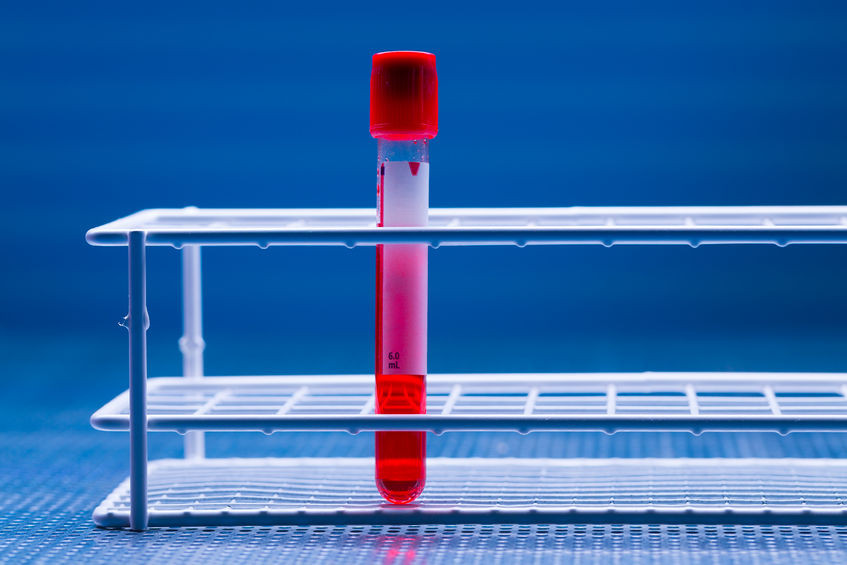
The fasting blood sugar test typically requires a blood serum sample of 0.25 - 0.5 ml. The blood sample is collected from a vein, usually in the arm, and placed into a special tube. Healthcare professionals will wear gloves and other personal protective equipment (PPE) while performing the test.
Before the blood is drawn, the healthcare provider will apply an elastic band around your arm to make veins more visible and clean the puncture site with antiseptic gauze. Blood is usually taken from the area around the elbow crease. Once the blood is drawn and placed into the tube, the band is removed, and the puncture site is cleaned with antiseptic gauze. This procedure is quick and typically takes only a few minutes. The blood sample is then sent to a laboratory where it is analyzed using specialized equipment, and results can be available within a few hours.
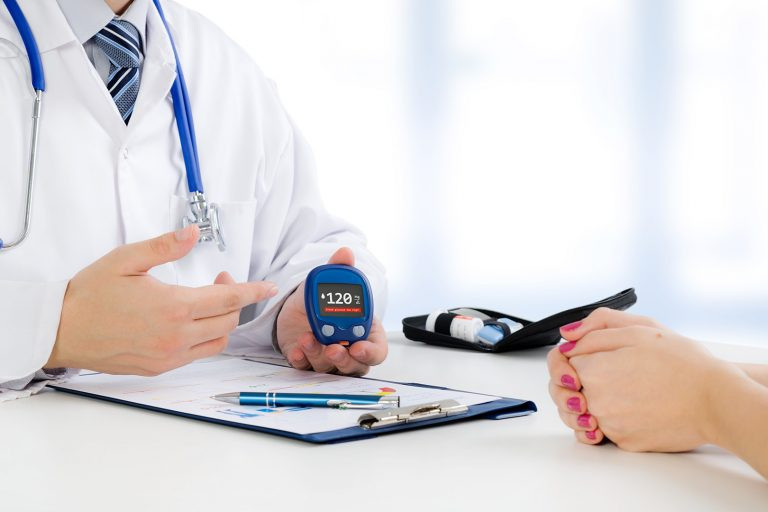
Alternatively, blood samples can be taken from the fingertip using a small lancet. After cleaning the fingertip with alcohol, the area is pricked, and the resulting blood is placed on a glucose testing strip that is inserted into a glucose meter. In just a few seconds, the fasting blood glucose level is displayed on the meter.
Normal and Abnormal Values
The normal range for fasting blood sugar is generally not based on age or gender. The following are the typical ranges for fasting blood sugar test results, showing normal, pre-diabetes, and diabetes conditions:
In adults and children:
|
Value (mg/dL) |
Interpretation |
|
70 - 99 |
Normal |
|
100 - 125 |
Pre-diabetes |
|
≥126 |
Diabetes |
|
400 |
Critical Value |
Results and Recommendations (Follow-up Tests)
Normal
If your fasting blood sugar results are within the normal range, it suggests that you are maintaining a healthy lifestyle. To continue preventing the onset of diabetes and other related health issues, it is recommended that you continue your current health habits.
Pre-diabetes
If your results show pre-diabetes, you should review whether you followed the 8-hour fasting guideline properly before the test. A proper fast involves not consuming any food or calorie-containing drinks, except for water, for at least 8 hours before the test. If you are unsure, it may be helpful to repeat the fasting blood sugar test.
If your fasting preparation was correct, and you still have pre-diabetes values, it may indicate that you are at risk for developing diabetes. According to the Guidelines for the Management and Prevention of Pre-diabetes in Indonesia, further testing with a 2-hour plasma glucose tolerance test (OGTT) is recommended to confirm a diagnosis of impaired fasting blood glucose (IFG). In this case, lifestyle changes, such as a low-carbohydrate, high-protein, and low-fat diet, along with regular physical activity, should be adopted. It is also advised to have fasting blood sugar tests at least twice a year to monitor your condition.
High
If your fasting blood sugar levels are elevated, it is important to consult a doctor. The doctor will likely recommend dietary changes, lifestyle modifications, or possibly medication to help manage and lower the fasting blood sugar levels.
Based on the Guidelines for the Diagnosis and Management of Type 1 Diabetes in Children and Adolescents, and the Guidelines for the Management and Prevention of Type 2 Diabetes in Indonesia, adopting a healthy lifestyle is essential to reduce fasting blood glucose levels. Increasing fiber intake, achieving a healthy weight, and engaging in physical activity (at least 3-5 times a week for at least 30 minutes per session) can also help lower blood sugar levels.
If the fasting blood sugar exceeds 400 mg/dL, it is considered a critical value, and immediate consultation with a doctor is necessary, as it poses a risk for severe and potentially life-threatening conditions.
Consult the Right Doctor
For adults, fasting blood sugar test results should be discussed with a general practitioner, who can recommend further testing or initiate appropriate treatment. You may also choose to consult an internist or a specialist in Metabolic-Endocrinology for more detailed advice. In pediatric cases, results that are not within the normal range should be reviewed by a pediatrician.
Looking for more information about laboratory, radiology, and other examination results? Click here!
- dr Hanifa Rahma
Soelistijo SA, Suastina K, et al. Pedoman Pengelolaan dan Pencegahan Diabetes Melitus Tipe 2 Dewasa di Indonesia. PB Perkeni. 2021.
Yati NP, Tridjaja B. Diagnosis dan tata laksana diabetes melitus tipe-1 pada anak dan remaja. IDAI. 2017.
Pranoto A, Wibisono S, et al. Pedoman pengelolaan dan pencegahan prediabetes di Indonesia. PB Perkeni, 2019.
Medscape. Glucose. 2021 July. https://emedicine.medscape.com/article/2087913-overview#a1
Cleveland Clinic. Fasting blood sugar. 2022 April. https://my.clevelandclinic.org/health/diagnostics/21952-fasting-blood-sugar
CDC. Diabetes. 2022 April. https://www.cdc.gov/diabetes/basics/getting-tested.html
Mayo Clinic Labs. Glucose serum. 2022 April. https://www.mayocliniclabs.com/test-catalog/overview/89115#Clinical-and-Interpretive