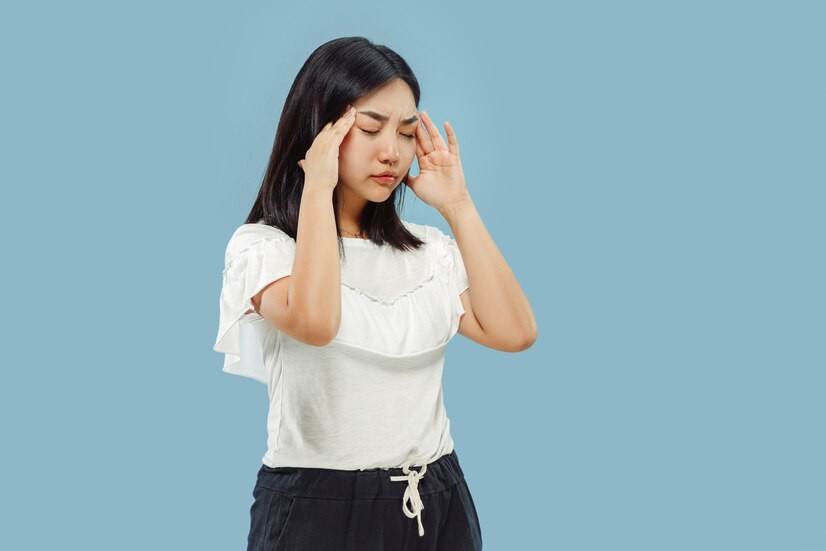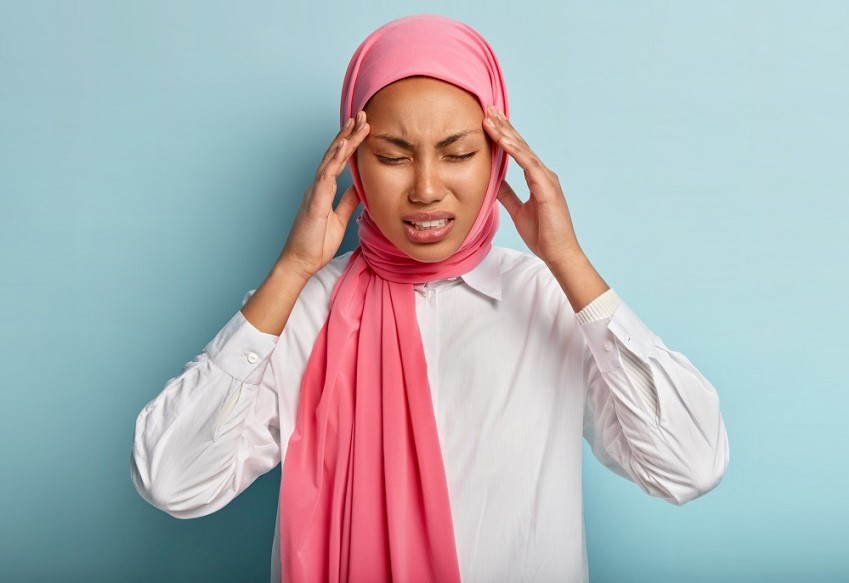
Headaches are extremely common and most people experience them many times across their lives. The pain mainly appear in the head or face. Symptoms vary: pain may throb, feel tight or tense around the head, or become severe enough to lead to crying or a runny nose. Some people also report sensitivity to light or sound and a sense of pressure behind the eyes.
There are many types and causes of headaches, and one is linked to hunger. This fasting-related pattern often appears during Ramadan, frequently triggered by abrupt changes in meal schedules.
Hypoglycemia (Low Blood Sugar Levels)
Hypoglycemia occurs when blood sugar levels fall too low, and it is common in people with diabetes because of their medicines. It can also develop in people without diabetes, for example in individuals with liver disorders, heavy alcohol intake, chronic illness, or excessive, prolonged exercise. People with diabetes should be cautious during Ramadan and monitor blood sugar levels, especially if they use insulin or sulfonylureas.
Hypoglycemia that occur when you are fasting can appear with several other symptoms, including:
-
Dizziness, headache, and trembling
-
Fatigue and weakness
-
A rapid heartbeat
-
Excessive sweating
-
Nausea or hunger
-
Anxiety, irritability, or confusion
-
Blurred vision
Dehydration
Dehydration happens when you use or lose more fluid than you take in. As a result, your body does not have enough water to function normally, and electrolyte balance may be affected.
Fasting requires you to delay drinking until it is time to break the fast. When you feel thirsty, your body already lacks adequate water reserves. Hot weather, strenuous activity, and insufficient hydration can make this worse.
Dehydration in a fast is often accompanied by intense thirst, dark urine, fatigue, headaches, dizziness, confusion, and low urine output.
Sleep Deprivation
During the month of Ramadan, your body may feel more tired than usual. Waking before dawn for sahur (the pre-dawn meal) and then continuing regular daytime activities can lead to short sleep and fatigue. An irregular sleep schedule can also make it harder to adjust.
Short-term sleep deprivation is linked to headaches, reduced alertness, excessive daytime sleepiness, trouble remembering, conflict with others, poorer work quality, and increased driving accident risk. Therefore, it is important to schedule rest across Ramadan so you get enough sleep.
Headaches related to a fast may also come with mild nausea and tightness in the neck and shoulders. You may also notice more sweating, fatigue, dizziness, or stomach discomfort. To prevent or lessen these symptoms, try the following:
-
Keep your body hydrated even in a fast by drinking enough water at sahur and avoiding excessive activities.
-
Avoid drinks with caffeine, such as coffee, tea, and energy drinks, to limit further dehydration.
-
Increase fiber and complex carbohydrates so food is digested more slowly.
-
Increase protein intake to provide energy and a longer-lasting sense of fullness.
If your headache lasts more than three days, you may need to stop fasting and consult a doctor. Your doctor can help identify the cause of the headache and prescribe appropriate treatment.
Looking for more information about other diseases? Click here!
- dr Hanifa Rahma
Cleveland Clinic (2022). Hunger Headache. Available from: https://my.clevelandclinic.org/health/diseases/22573-hunger-headache
Doherty, C. (2021). How Fasting Causes Headaches. Available from: https://www.verywellhealth.com/how-fasting-can-cause-a-headache-1719448
Cleveland Clinic (2020). Headaches. Available from: https://my.clevelandclinic.org/health/diseases/9639-headaches
Drugs.com (2022). Non-Diabetic Hypoglycemia. Available from: https://www.drugs.com/cg/non-diabetic-hypoglycemia.html
Mayo Clinic (2020). Hypoglycemia. Available from: https://www.mayoclinic.org/diseases-conditions/hypoglycemia/symptoms-causes/syc-20373685
Mayo Clinic (2021). Dehydration. Available from: https://www.mayoclinic.org/diseases-conditions/dehydration/symptoms-causes/syc-20354086
Cleveland Clinic (2022). Here’s What Happens When You Don’t Get Enough Sleep (and How Much You Really Need a Night). Available from: https://health.clevelandclinic.org/happens-body-dont-get-enough-sleep/