Definisi
Fosfatase asam merupakan enzim yang ditemukan pada seluruh tubuh, paling banyak ditemukan pada kelenjar prostat. Fosfatase asam biasanya ditemukan pada kelenjar prostat, semen, hati, limpa, sel darah dan tulang belakang. Seperti enzim pada umumnya, fosfatase asam memerlukan pemicu reaksi kimia tertentu untuk dapat teraktivasi.
Pemeriksaan fosfatase asam tidak dilakukan sebagai pemeriksaan awal, melainkan untuk mengetahui tingkat kenaikan enzim fosfatase asam sehingga diketahui apakah kanker telah menyebar atau tidak. Selain itu, pemeriksaan ini juga dapat dilakukan untuk membantu pemeriksaan terkait dengan kekerasan seksual. Hal ini disebabkan fosfatase asam sangat terkonsentrasi pada semen.
Indikasi
Pemeriksaan ini disarankan oleh dokter dengan indikasi sebagai berikut:
- membantu diagnosis dan melakukan pemeriksaan pada kondisi tertentu seperti kanker prostat (dalam membantu diagnosis dan mengawasi atau monitor efek dari perawatan)
- penyakit Paget
- prostatitis
- hiperplasia prostat jinak
- hiperparatiroidisme
Pada diagnosis kanker prostat, pemeriksaan ini membantu dalam menentukan apakan kanker tersebut telah menyebar ke bagian lain serta memeriksa efektivitas dari pengobatan yang telah dijalani. Selain itu, pemeriksaan ini juga dilakukan untuk membantu investigasi pada kasus kriminal terkait dengan kekerasan seksual. Hal ini disebabkan fosfatase asam sangat terkonsentrasi pada semen.
Kontraindikasi
Pemeriksaan fosfatase asam dapat dianggap aman dan risiko terkait sedang. Tidak ada kontraindikasi khusus terkait pemeriksaan fosfatase asam.
Persiapan Sebelum Pemeriksaan
Tidak ada persiapan khusus sebelum melakukan pemeriksaan fosfatase asam. Pemeriksaan ini tidak mewajibkan Anda puasa sebelumnya kecuali anda juga melakukan pemeriksaan lain yang mengharuskan Anda berpuasa sebelumnya. Informasikan pada dokter terkait kondisi medis dan obat-obatan yang dikonsumsi. Pastikan kondisi Anda terhidrasi, tenang dan tidak stres. Diskuskan dengan dokter anda terkait obat yang anda konsumsi dan yang perlu dihentikan sebelum pemeriksaan.
Prosedur Pemeriksaan
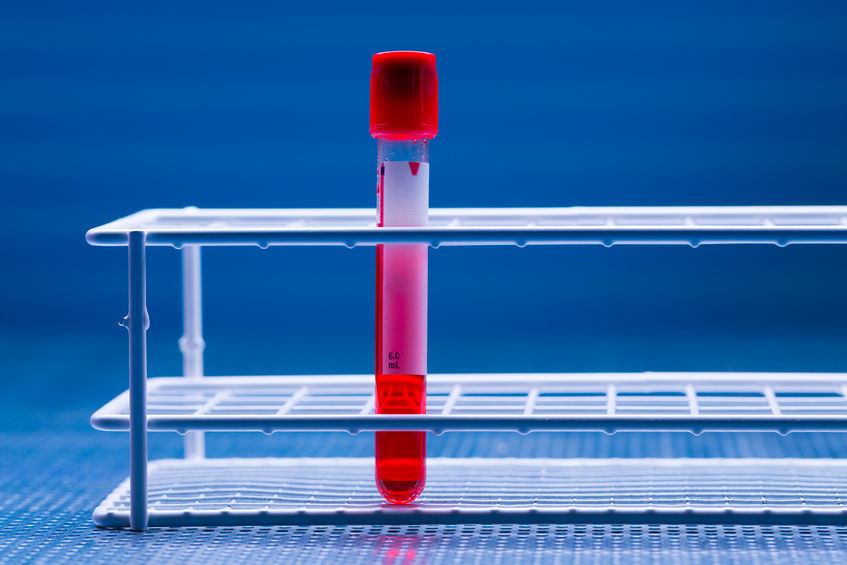
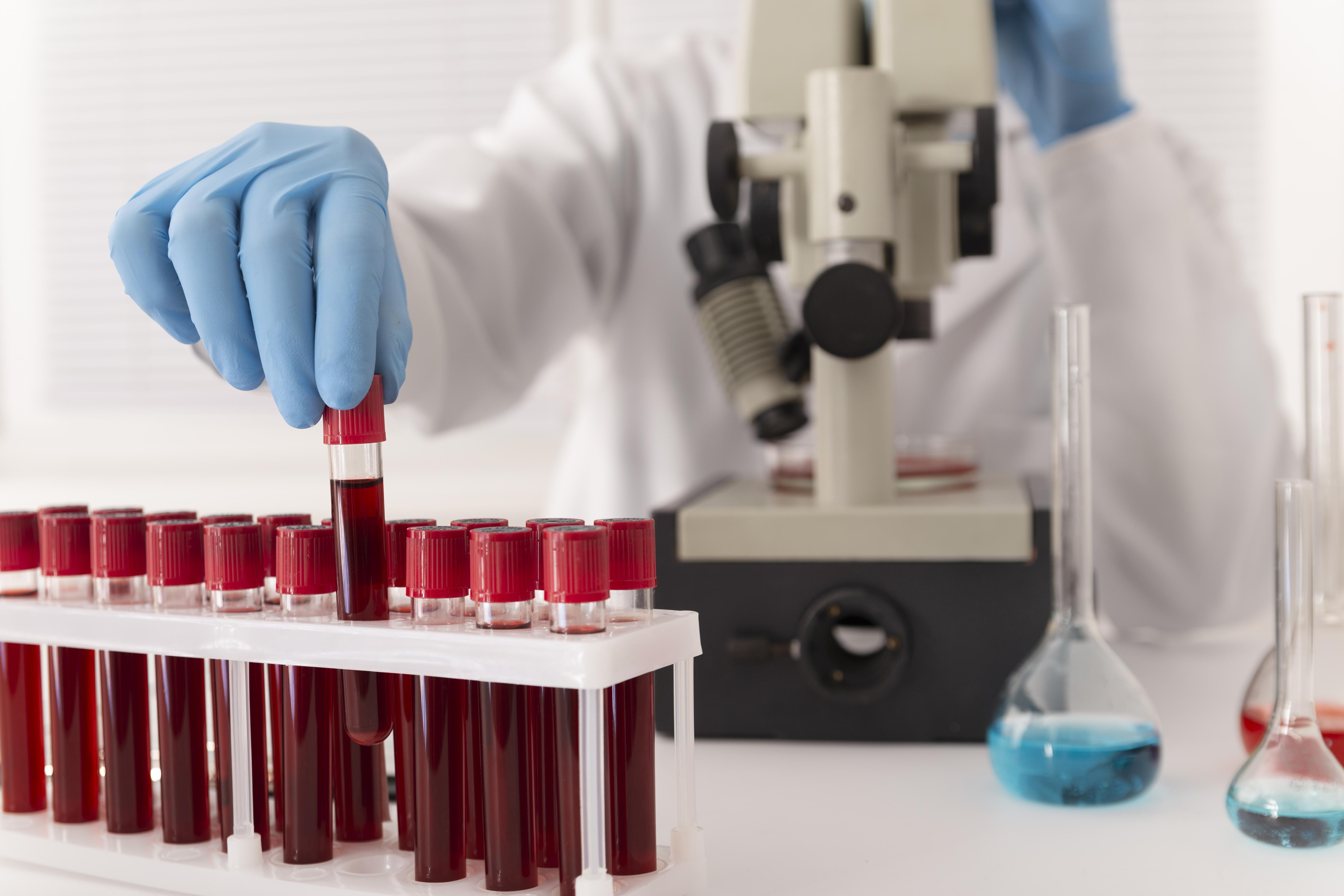
Pemeriksaan fosfatase asam menggunakan sampel darah. Petugas laboratorium akan membersihkan lengan Anda dengan alcohol swab dan mengambil sedikit darah dari pembuluh darah vena di lengan menggunakan spuit steril. Sebelum mengambil darah, permukaan kulit akan dibersihkan dengan antiseptik dan diikat dengan alat khusus (tourniquet) pada area lengan. Kemudian jarum akan ditusukkan ke kulit dan darah akan diambil masuk ke dalam vial atau syringe.
Setelah prosedur, tourniquet dilepaskan dan bekas area pengambilan darah akan ditutup dengan perban untuk menghentikan pendarahan. Selanjutnya, darah akan dimasukan ke dalam tabung darah dan diperiksa oleh petugas laboratorium pada mesin khusus. Bergantung bagaimana metode pemeriksaan pada laboratorium, pemeriksaan ini mungkin akan memakan waktu sehari untuk mendapatkan hasil. Risiko pemeriksaan dalam darah sangat kecil. Beberapa orang merasakan nyeri, pusing, dan memar saat pengambilan darah. Namun, hal ini biasanya hilang dengan cepat. Prosedur pemeriksaan ini cukup sederhana dan biasanya akan memakan waktu hingga 10 menit untuk mengambil darah darah dan merapikannya.
Pada pemeriksaan forensik fosfatase asam untuk mencari tahu adanya semen, sampel yang digunakan dapat langsung dari potongan bercak atau usapan area yang diperkirakan terkena semen. Alat usapan pada area tersebut dapat menggunakan kertas saring, kain, atau alat usap. Basahi alat usapan dengan menggunakan air lalu diusapkan pada area yang telah terpapar selagi masih basah. Selanjutnya, laboratorium akan memberikan reagen yang tepat sehingga akan menunjukkan adanya bercak sperma.
Nilai Normal dan Abnormal
Nilai normal pemeriksaan dari fosfatase asam pada orang dewasa dan orang lanjut usia antara 0.13 sampai 0.63 U/L atau 2.2 hingga 10.5 U/L. Pada anak - anak antara 8.6 - 12. Hasil pemeriksaan abnomral bila berada diatas atau dibawah batas normal nilai pemeriksaan.
Hasil dan Saran (Pemeriksaan Lanjutan)
Hasil pemeriksaan fosfatase asam dapat bergantung pada usia, jenis kelamin, metode yang digunakan oleh laboratorium tempat pemeriksaan serta dapat bervariasi antara satu laboratorium dengan yang lain. Adanya peningkatan nilai dari fosfatase asam dapat menjadi tanda adanya penyebaran kanker prostat.
Beberapa penyakit atau kondisi lain yang dapat menyebabkan peningkatan nilai fosfatase asam seperti hiperparatiroidisme atau kondisi dimana kelenjar paratiroid terlalu aktif sehingga menghasilkan hormon paratiroid yang berlebih, gangguan darah seperti kanker darah atau sickle cell, gangguan lisosomal seperti gangguan Gaucher yang menunjukkan sedikit peningkatan.
Bila hasil pemeriksaan Anda mengalami penurunan atau normal namun terjadi peningkatan, hal tersebut dapat menjadi pertimbangan untuk dokter dalam perubahan pengobatan terapi Anda untuk menjadi efektif. Beberapa obat-obatan dapat menyebabkan peningkatan atau penurunan pada kadar fosfatase asam.
Konsultasikan ke Dokter yang Tepat
Bila hasil pemeriksaan fosfatase asam menunjukkan hasil tidak normal, Anda dapat berkonsultasi dengan dokter umum untuk mendapatkan diagnosis dan terapi yang sesuai. Bila diperlukan, Anda juga dapat berkonsultasi dengan dokter spesialis penyakit dalam sehingga didapatkan penanganan dan terapi yang tepat.
Mau tahu informasi seputar hasil pemeriksaan laboratorium, radiologi, dan lainnya? Cek di sini, ya!
- dr. Monica Salim

Acid Phosphatase. (2023). Retrieved 04 July 2023, from https://emedicine.medscape.com/article/2088338-overview
Acid Phosphatase Presumptive Test for Semen. (2016). Retrieved 04 July 2023, from https://www.nyc.gov/assets/ocme/downloads/pdf/technical-manuals/forensic-biology-technical-manuals/acid_phosphatase_062016.pdf