Definisi
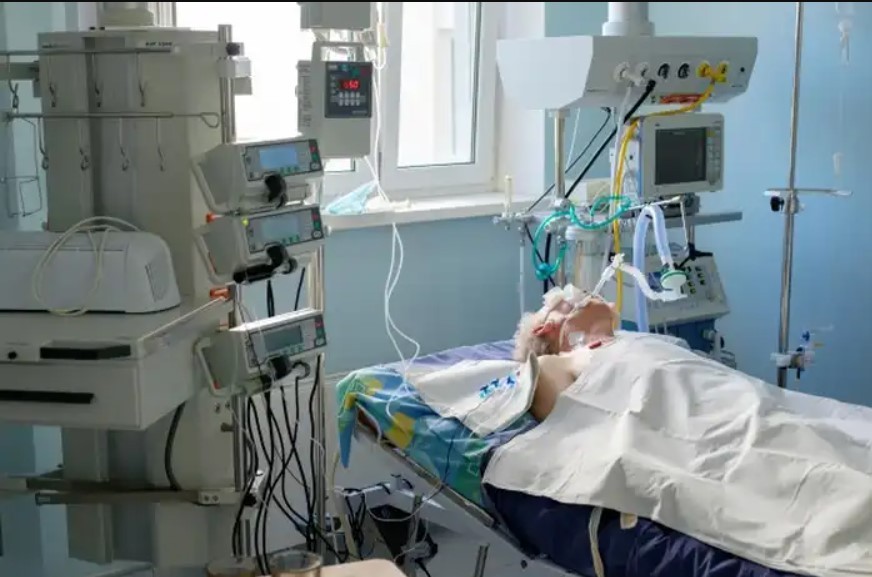
Koma adalah keadaan tidak sadar yang berlangsung dalam waktu yang lama. Penderita yang koma biasanya tidak respon dengan lingkungannya. Berbeda dengan tidur, orang yang koma tidak bisa dibangunkan sama sekali, bahkan saat diberikan stimulasi nyeri. Pada koma, aktivitas otak menjadi minimal dan fungsi kesadaran seseorang terganggu.
Koma merupakan keadaan gawat darurat yang membutuhkan tindakan segera untuk menyelamatkan nyawa dan fungsi otak penderita. Koma merupakan salah satu keadaan gawat darurat yang sering membawa seseorang ke unit gawat darurat.
Salah satu penyebab paling sering dari koma adalah perdarahan otak dan tumor, kemudian adanya kelainan pada otak terutama yang menyebabkan epilepsi, infeksi yang luas, keracunan dan kelainan pada organ lain selain otak. Untuk dapat mencegah hingga mendapatkan penanganan yang tepat, kenali tanda-tanda koma melalui artikel ini.
Penyebab
Pada kondisi normal, informasi dari lingkungan luar akan diantarkan sebagai sinyal dari saraf sampai ke otak. Hal ini membuat seseorang sadar dan bisa memberikan respon atau bereaksi pada lingkungannya. Koma menandakan gangguan pada otak, bisa diakibatkan oleh gangguan pada struktur saraf, atau proses-proses yang memengaruhi sistem saraf pusat. Di bawah ini adalah beragam kondisi dan penyakit yang dapat menyebabkan seseorang jatuh ke dalam keadaan koma:
- Cedera kepala: cedera yang biasanya berasal dari kecelakaan lalu lintas atau tindakan kekerasan, dapat menyebabkan perdarahan, kurangnya oksigen, atau peningkatan tekanan dalam ruang kepala.
- Stroke: adanya aliran darah yang terganggu di dalam otak, dapat berasal dari pembuluh darah yang tersumbat atau pecah.
- Tumor otak: dapat berasal dari tumor atau massa di dalam rongga kepala atau batang otak. Tumor dapat bersifat jinak dan ganas.
- Keracunan alkohol atau obat terlarang
- Penyakit kronis:
- Diabetes, kadar gula darah yang terlalu tinggi atau terlalu rendah pada pasien diabetes dapat menyebabkan seseorang jatuh ke dalam keadaan koma
- Ensefalopati metabolik, keadaan dimana fungsi otak terganggu karena racun yang ada di dalam tubuh. Racun dapat berasal dari gangguan metabolik yang terjadi di tubuh
- Hipoksia atau kekurangan oksigen: dapat terjadi pada seseorang yang baru saja tenggelam atau selamat dari resusitasi jantung.
- Infeksi: yang menyerang jaringan otak dapat menyebabkan radang di lapisan otak atau jaringan otak, batang otak dan jaringan sekitarnya. Infeksi yang dapat menyebabkan keadaan koma adalah infeksi yang bersifat berat.
- Racun: seperti karbon monoksida atau timbal dapat menyebabkan kerusakan pada jaringan otak.
Faktor Risiko
Karena koma berasal dari gangguan yang terjadi pada otak, faktor risiko yang dapat menyebabkan koma biasanya penyakit-penyakit yang berhubungan dengan sistem saraf pusat, atau gangguan metabolik yang memengaruhi pengantaran oksigen ke jaringan otak, seperti:
- Penyakit kronis dan berat, khususnya riwayat gangguan pada jantung, hati, dan ginjal
- Diabetes melitus tipe 1 dan tipe 2
- Memiliki riwayat bekuan darah
- Riwayat kanker dan kemoterapi
- Kebiasaan berkendara yang tidak aman
- Perokok atau peminum alkohol berat
Gejala
Pada seseorang yang jatuh dalam keadaan koma, biasanya mata penderita tertutup, anggota gerak dan tubuh tidak merespon pada stimulus dari luar, seperti panggilan suara, tepukan tangan pada tubuh, cubitan, dan stimulus nyeri lainnya. Selain itu, pasien juga bisa menunjukkan perubahan kepribadian atau gangguan berpikir sebelumnya. Kadang ada gejala mual-muntah yang menyembur atau sakit kepala hebat sebagai tanda peningkatan tekanan dalam ruang kepala, sebelum akhirnya pasien tidak sadar.
Diagnosis
Pada tindakan awal dokter akan melakukan wawancara pada orang terdekat untuk mengetahui riwayat kesehatan dan keadaan sebelum tidak sadar.
Pada pemeriksaan fisik, dokter pemeriksa akan mencari tanda-tanda trauma terutama di daerah kepala. Kemudian, pemeriksaan saraf meliputi respon terhadap nyeri, pemeriksaan singkat untuk menilai gerakan dan refleks tubuh, respon membuka mata, dan respon suara. Jika hasil dari pemeriksaan menunjukkan tidak ada respon maka seseorang dinyatakan koma.
Selanjutnya, dokter bisa melakukan pemeriksaan laboratorium seperti analisa darah, pemeriksaan elektrolit, fungsi tiroid, ginjal dan hati. Kemudian pemeriksaan karbon monoksida dan overdosis obat dan alkohol. Pemeriksaan lainnya adalah analisa cairan otak dengan melakukan spinal tap, pemeriksaan ini dapat memperlihatkan tanda infeksi pada jaringan otak.
Pemindaian kepala menggunakan pemeriksaan radiologi dan pemeriksaan lain untuk menentukan penyebab dari keadaan koma. CT-scan (Computed tomography scan) dan MRI (Magnetic Resonance Imaging) dapat memperlihatkan penyebab atau gangguan di kepala seperti pembuluh darah yang tersumbat atau pecah. Pemeriksaan EEG (Electroencephalography) dapat memperlihatkan area otak yang mengalami gangguan, dan dilakukan pada seseorang yang mengalami kejang sebelum koma.
Tata Laksana
Koma merupakan keadaan gawat darurat, sehingga dokter akan memeriksa dan menjaga saluran nafas dan sirkulasi darah. Hal ini dapat dilakukan dengan memberikan obat-obatan dan terapi bantuan lainnya. Jika kadar gula yang rendah atau tinggi menyebabkan koma, maka terapi akan berfokus dalam menangani keadaan tersebut. Pemeriksaan gula darah disarankan kepada semua orang yang mengalami koma atau tidak sadar. Jika terdapat kecurigaan overdosis obat-obatan terlarang, pemberian obat khusus untuk menangani keadaan tersebut dapat dipertimbangkan. Pada pasien koma dengan tekanan darah yang rendah, penting untuk mempertahankan dan meningkatkan tekanan darah untuk memastikan aliran darah yang cukup terutama ke jaringan otak.
Pengobatan bagi seseorang dalam keadaan koma dilakukan di dalam unit intensif untuk mendapatkan pengawasan yang ketat dan memastikan pernafasan dan tekanan darah berada dalam keadaan yang stabil dan memantau pengobatan dari penyebab koma. Selain itu, pengawasan terhadap nutrisi dan melakukan fisioterapi selama masa perawatan juga penting untuk mencegah sendi menjadi kaku.
Komplikasi
Pada sebagian kasus, orang yang jatuh dalam keadaan koma kembali sadar secara perlahan-lahan. Jika seseorang sadar dari keadaan koma, ia dapat mengalami disabilitas ringan hingga berat.
Namun, pada kasus lain koma berujung pada keadaan vegetatif atau keadaan dimana seseorang memiliki kesadaran yang minimal atau kematian. Keadaan vegetatif adalah keadaan dimana seseorang sadar namun tidak merespon keadaan sekitar atau tidak memberikan respon yang berarti seperti mengikuti gerakan benda menggunakan mata atau merespon terhadap suara.
Komplikasi lain yang dapat timbul dari keadaan koma adalah adanya luka yang timbul dari bagian tubuh yang menonjol dan mendapat tekanan terus menerus (ulkus), infeksi pada saluran kemih dan terbentuknya bekuan darah di daerah kaki, serta komplikasi lainnya. Pada beberapa kasus, terdapat kerusakan permanen pada otak yang terjadi setelah koma, sehingga pasien membutuhkan terapi lanjutan seperti fisioterapi dan terapi okupasi untuk melatih dan mengembalikan fungsi anggota tubuhnya mendekati kondisi semula. Besarnya kemungkinan bagi seseorang untuk sadar dari keadaan koma, bergantung dari keparahan dan penyebab dari trauma di jaringan otak.
Pencegahan
Beberapa tindakan yang dapat dilakukan untuk mencegah keadaan koma adalah:
- Mencegah trauma kepala dengan menggunakan alat pelindung kepala yang benar, terutama saat berkendara atau berolahraga.
- Pada diabetes, penderita diabetes tipe 1 lebih rentan mengalami koma dibandingkan dengan penderita diabetes tipe 2. Melakukan pemantauan kadar gula darah penting bagi penderita diabetes untuk mencegah komplikasi dan memantau pemberian terapi. Selain pemeriksaan rutin, tindakan pencegahan lainnya adalah dengan memantau asupan makanan dan menjaga agar tidak dehidrasi.
- Melakukan pemeriksaan dan kontrol rutin jika memiliki riwayat stroke dan penyakit kronis lainnya.
- Menghindari kebiasaan merokok dan minum alkohol
Kapan Harus ke Dokter?
Jika anda mengetahui seseorang yang jatuh kedalam keadaan koma dengan gejala yang telah disebutkan, segera pergi ke dokter untuk mendapatkan pertolongan pertama dan pemeriksaan lebih lanjut. Keadaan yang dapat terjadi sebelum keadaan koma adalah:
- Adanya penurunan kesadaran yang semakin memburuk, dapat diawali dengan kebingungan
- Penurunan respon terhadap keadaan sekitar
- Kejang disertai dengan muntah berulang
- Rasa baal yang terjadi tiba-tiba di wajah, lengan atau kaki terutama jika terjadi pada satu sisi badan
- Kesulitan dalam melihat pada satu atau kedua mata
- Kesulitan dalam koordinasi, berjalan, dan kehilangan keseimbangan
Mau tahu informasi seputar penyakit lainnya? Cek di sini, ya!
- dr Hanifa Rahma

Centers for Disease Control and Prevention (2020). Stroke Signs and Symptoms. Available from: https://www.cdc.gov/stroke/signs_symptoms.htm.
Cherney, K. (2018). Stroke Signs and Symptoms. Available from: https://www.healthline.com/health/understanding-and-preventing-diabetic-coma.
Winchester Hospital (2021). Coma. Available from: https://www.winchesterhospital.org/health-library/article?id=22822.
Cleveland Clinic (2020). Diabetic Coma: Causes, Risk Factors, Treatment & Prevention. Available from: https://my.clevelandclinic.org/health/diseases/16628-diabetic-coma.
Mayo Clinic Staff (2020). Coma. Available from: https://www.mayoclinic.org/diseases-conditions/coma/diagnosis-treatment/drc-20371103.
WebMD (2020). Coma: Types, Causes, Treatments, Prognosis. Available from: https://www.webmd.com/brain/coma-types-causes-treatments-prognosis.
NHS (2021). Coma. Available from: https://www.nhs.uk/conditions/coma/.
Huff, J., & Tadi, P. (2021). Coma. NCBI StatPearls. Available from: https://www.ncbi.nlm.nih.gov/books/NBK430722/.
NHS (2018). Disorders of consciousness. Available from: https://www.nhs.uk/conditions/disorders-of-consciousness/.
Butterworth, R. (2021). Metabolic Encephalopathies. Available from: https://www.ncbi.nlm.nih.gov/books/NBK20383/.