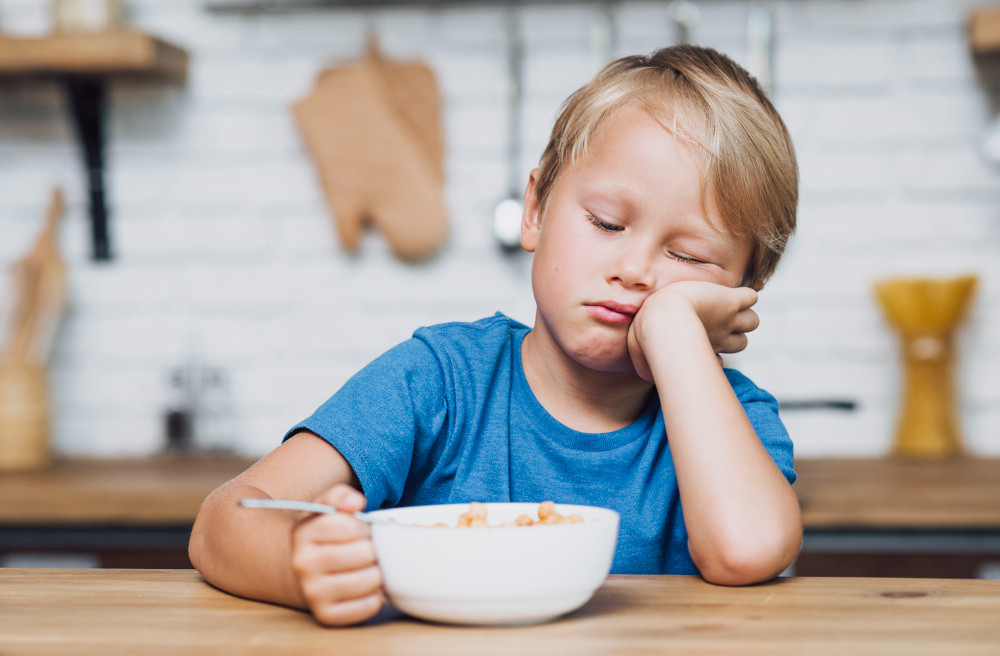

Kebanyakan orang tua memilih untuk menghindari memberikan makanan manis pada anak. Selain berisiko membuat gigi lubang, makan makanan manis dianggap menjadi penyebab anak bersikap menjadi lebih aktif. Kondisi ini dikenal dengan istilah sugar rush, yaitu anak menjadi kelebihan energi setelah menyantap makanan manis. Namun, benarkah gula dapat menyebabkan anak menjadi bersikap hiperaktif?
Asal Mula Istilah Sugar Rush
Dilansur dari WebMD, istilah sugar rush berawal di tahun 1973 ketika pakar alergi Benjamin Feingold, M.D., mengeluarkan aturan Diet Feingold. Dalam diet tersebut Feingold menyarankan untuk mengurangi konsumsi makanan yang mengandung pewarna, perasa buatan dan salisilat sebagai bagian dari mengatasi anak yang hiperaktif.
Meskipun Feingold tidak secara khusus menyebut makanan yang mengandung gula, namun banyak orang tua meyakini bahwa anak-anak sebaiknya menghindari makanan yang mengandung zat tambahan. Hal ini kemudian berkembang di masyarakat dan menimbulkan pemahaman bahwa mengurangi mengonsumsi gula dapat mengurangi gejala hiperaktif pada anak.
Benarkah Gula Dapat Menyebabkan Sugar Rush?
Sebuah uji coba klinis yang diterbitkan dalam Pediatrics di tahun 1991 meneliti hubungan antara konsumsi gula dengan perilaku agresif pada anak-anak yang hiperaktif. Penelitian ini mengamati perilaku agresif dan perhatian kognitif pada anak normal dan hiperaktif setelah konsumsi gula tinggi. Hasilnya, anak-anak yang mengalami kesulitan pemusatan perhatian bersikap lebih agresif dibanding kelompok normal namun tidak ada efek signifikan atau plasebo pada perilaku agresif kedua kelompok.
Dalam sebuah penelitian yang diterbitkan Neiroscience & Biobehavioral Reviews di tahun 2019 mengungkapkan bahwa konsumsi karbohidrat atau gula justru menyebabkan responden mengalami kelelahan dan bukan hiperaktif, kondisi yang bertentangan dengan mitos sugar rush yang beredar. Dengan demikian, penelitian ini diharapkan dapat memberi jawaban bahwa kondisi sugar rush tidak dapat dibuktikan secara ilmiah dan respon setiap individu pada gula dapat berbeda-beda, tergantung pada kondisi kesehatan masing-masing.
Tips Mengurangi Makanan Manis pada Anak
Meskipun makanan manis tidak menyebabkan sugar rush, namun orang tua tetap perlu membatasi asupan gula pada anak. Konsumsi makanan manis pada anak dapat meningkatkan risiko gigi berlubang, obesitas, diabetes, penyakit jantung dan depresi.
Dalam rekomendasinya, American Academy of Pediatrics menganjurkan anak yang berusia di bawah 2 tahun untuk tidak mengonsumsi gula. Pada anak di bawah 2 tahun, disarankan untuk mengenalkan manis melalui makanan alami seperti puree atau jus buah.
Namun apabila anak balita sudah telanjur mengenal rasa manis dan mendapat asupan gula berlebihan, berikut ini beberapa hal yang bisa dilakukan orang tua:
1. Kurangi makanan dan minuman yang mengandung pemanis buatan
Minuman seperti jus buah kemasan, minuman bersoda, teh kemasan dan minuman kemasan anak lainnya umumnya mengandung gula yang cukup tinggi. Untuk mencegah asupan gula berlebih pada anak, batasi konsumsi makanan yang mengandung pemanis buatan setiap harinya. Orang tua dapat mengganti minuman perasa dengan minuman alami seperti infused water tanpa gula atau air kelapa.
2. Pilih makanan yang kaya serat
Berikan anak makanan yang kaya serat agar anak lebih cepat kenyang dan mengurangi keinginannya untuk menyantap cemilan tidak sehat. Jika anak menginginkan camilan maka ganti camilan tersebut dengan buah potong, protein bar, fruit bar dan makanan lain yang rendah kandungan gula namun kaya serat.
3. Buat sendiri camilan untuk anak
Dengan membuat sendiri camilan yang diinginkan anak, orang tua dapat mengatur sendiri jumlah gula yang digunakan. Orang tua juga dapat mengganti gula dengan bahan pemanis lain seperti kayu manis atau pemanis alami lainnya untuk mengurangi kadar gula. Selain itu, camilan buatan sendiri juga lebih terjamin kebersihan dan kesehatannya.
Mau tahu informasi seputar kehamilan, menyusui, kesehatan wanita dan anak-anak? Cek di sini, ya!
- dr Ayu Munawaroh, MKK

Medical News Today. Medical myths: Does sugar make children hyperactive?. Available from: https://www.medicalnewstoday.com/articles/medical-myths-does-sugar-make-children-hyperactive.
WebMD. Busting the sugar-hyperactivity myth. Available from: https://www.webmd.com/parenting/features/busting-sugar-hyperactivity-myth#1.