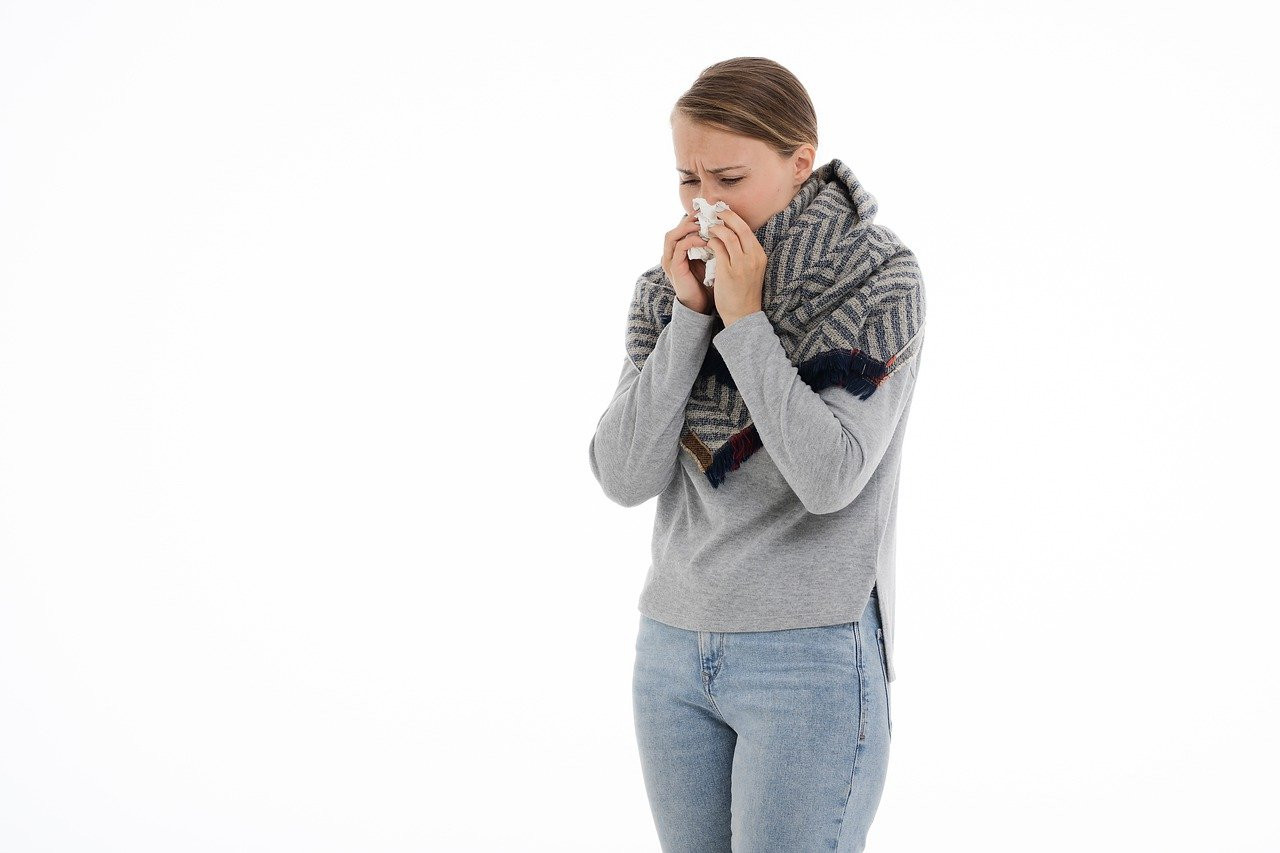

Influenza Type A is one of the most common flu types that affects humans. This infection can cause a wide range of symptoms, from mild to severe. Early recognition is important so you can prevent further transmission and receive appropriate treatment.
What is Influenza Type A?
Influenza Type A is an influenza virus that naturally infects wild birds. This infection is also called bird flu because it can spread to other animals and even to humans.
Unlike the common cold, that tends to appear gradually with relatively mild symptoms, influenza Type A often causes a sudden onset with more severe symptoms.
The influenza Type A virus can mutate very quickly, producing new variants each flu season. Because it is highly variable and spreads widely, influenza Type A is a major cause of seasonal outbreaks and can even lead to global pandemics.
Symptoms of Influenza Type A
A hallmark of influenza Type A is the abrupt start of symptoms. Common symptoms include:
-
High fever
-
Chills
-
Muscle and body aches
-
Extreme fatigue
-
Headache
-
Dry cough
-
Sore throat
-
Stuffy or runny nose
In mild situations, symptoms usually improve with rest and self-treatments. However, in vulnerable individuals, such as young children, older adults, or people with compromised immune systems, the risks of symptoms turning into serious complications can increase, including pneumonia, muscle inflammation, or even organ failure.
Preventing Influenza Type A
If it is not treated, influenza Type A can cause severe complications such as pneumonia, respiratory failure, myocarditis, encephalitis, and even death, especially in vulnerable people with increased risks.
Prevention of this infection is therefore crucial. The most effective protection against influenza Type A is the annual flu vaccine. The vaccine is updated each year to match the strains of the virus that are circulating.
In addition to vaccination, you also need these preventive steps:
-
Wash your hands frequently with soap and running water
-
Avoid crowds during flu season
-
Wear a mask in crowded places
-
Cover your mouth and nose when you cough or sneeze
-
Rest at home when you have a fever, for at least 24 hours after your temperature returns to normal
With awareness and consistent prevention, the risk of transmission and serious outcomes from influenza Type A can be reduced. If flu symptoms last longer than seven days or become worse, consult a doctor promptly.
Influenza Type A can cause severe symptoms and may lead to complications, but you can prevent and manage it better by recognizing symptoms early, maintaining good hygiene, and getting vaccinated regularly.
If you have further questions about the flu, you can use the health consultation service in the Ai Care app, available on the App Store and Play Store.
Looking for more information about other diseases? Click here!
- dr Hanifa Rahma
Health Direct (2024). Flu (influenza). Available from: https://www.healthdirect.gov.au/flu
Kiara Anthony (2023). Signs and Symptoms of Type A Influenza. Available from: https://www.healthline.com/health/influenza-a-symptoms
Cleveland Clinic (2022). Flu (Influenza). Available from: https://my.clevelandclinic.org/health/diseases/4335-influenza-flu