
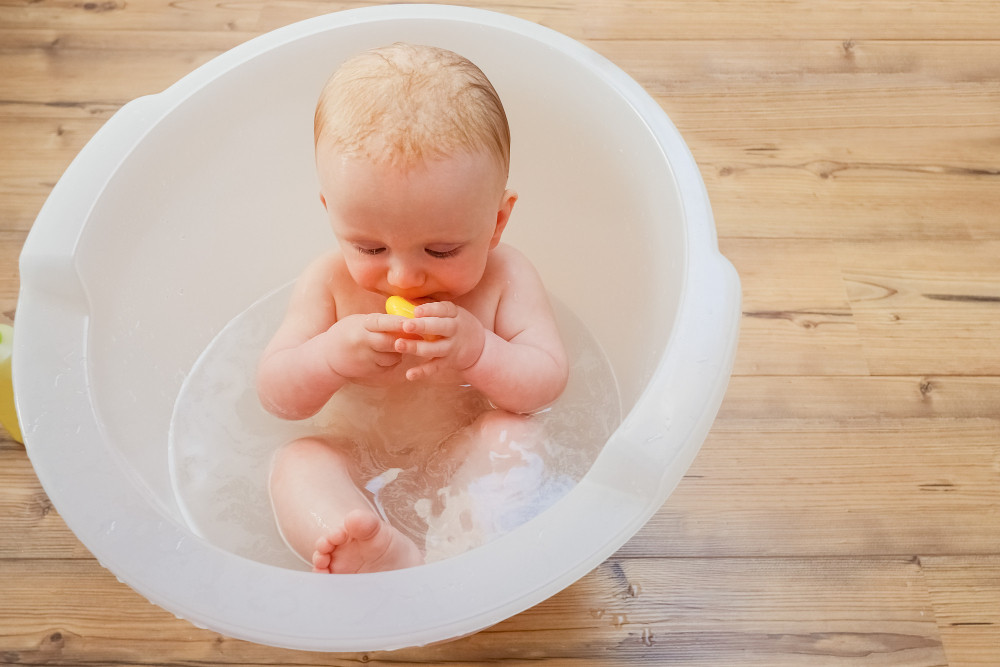
The mouth is one of the body areas most prone to fungal infections (oral thrush), and babies are also prone to this condition. When a baby develops oral thrush, they may become fussy and reluctant to breastfeed. So, how should a fungal infection in babies be treated?
Causes of Fungal Infections in Babies
Fungal infections or oral thrush, are also called oral candidiasis. This condition occurs when the fungi, Candida albicans, build up in the mouth.
Candida fungi normally live in the mouth, gastrointestinal tract, and vagina. Under certain circumstances, however, they can grow excessively and cause infection. This infection is commonly found in babies, toddlers, and adults.
With oral thrush, the infection can affect the mouth and nearby areas, including the inner cheeks, gums, palate, and throat.
Children with a weakened or compromised immune system or those currently taking antibiotics or corticosteroids have a higher risk of developing fungal infections, especially in the mouth.
Symptoms of Fungal Infections in Babies
Babies with oral thrush often experience symptoms only after several days of being infected. Early on, there may be no obvious signs. According to Pregnancy, Birth and Baby, symptoms commonly begin with white patches in the baby’s oral cavity.
These white patches may appear on the inner cheeks, tongue, or lips. They do not wipe off easily because they indicate infection beneath the surface. The surrounding tissue can also look red or swollen.
Although these patches are not always inflamed, redness around the mouth can make feeding or breastfeeding uncomfortable. Other signs that can be seen of oral thrush from a baby include frequent drooling, swallowing difficulty, and bleeding from minor cuts or friction.
Causes of Fungal Infections in Babies
Fungal infections in babies are generally not highly contagious, but certain methods of transmission should be considered, such as sharing teethers and bottles. If your baby has oral thrush, avoid sharing items with other infants.
Most cases will heal on their own within a few days. If the infection is more severe, your baby may be fussy and refuse to feed. In that situation, consult a doctor promptly.
Your doctor may prescribe antifungal drops or gels for babies, such as nystatin or miconazole. In addition, treating the mother’s nipples with an antifungal is recommended to reduce the chance of spreading the infection during breastfeeding.
Because oral thrush can interfere with feeding and breastfeeding, speak with a doctor to make sure your baby’s nutritional needs are being met.
Looking for more information about other diseases? Click here!
- dr Hanifa Rahma
NHS. Oral Thrush. Available from: https://www.nhs.uk/conditions/oral-thrush-mouth-thrush/
Bellefonds. C. (2022). What is Thrush in Babies?. Available from: https://www.whattoexpect.com/first-year/health-and-safety/thrush-in-babies/
Kids Health. Oral Thrush. Available from: https://kidshealth.org/en/parents/thrush.html
Pregnancy Birth & Baby, Childhood Rashees - Oral Thrus. Available from: https://www.pregnancybirthbaby.org.au/childhood-rashes-oral-thrush
Kraft, S. (2017). What Happens When Babies Get Oral Thrush?. Available from: https://www.medicalnewstoday.com/articles/179069