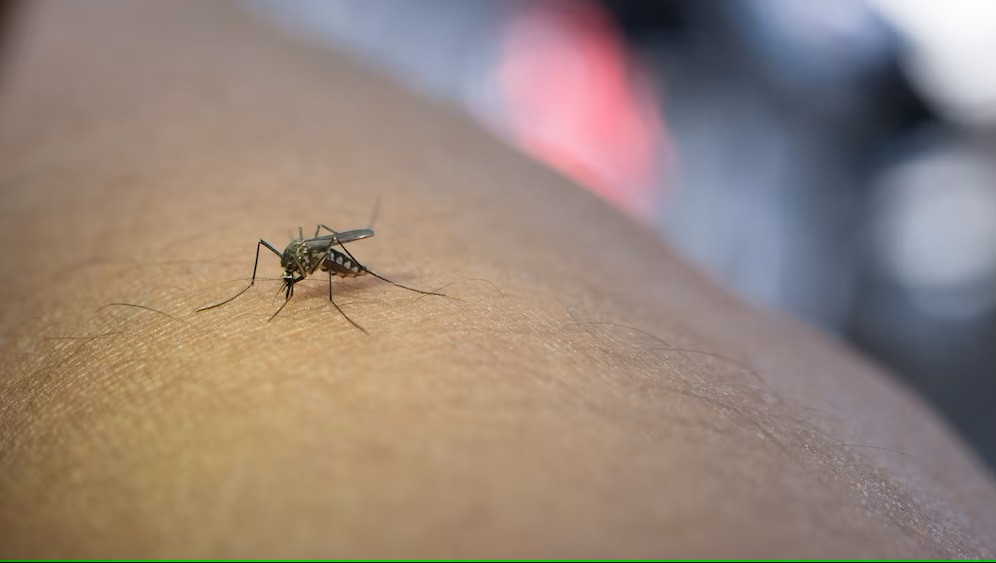

Dengue hemorrhagic fever (DHF) is an infection transmitted by mosquito bites. Typical symptoms of this infection include fever and other flu-like symptoms, such as joint pain, nausea, vomiting, and red rashes on different areas of the skin. When a pregnant woman is infected with DHF, the effects are felt by the mother and can also endanger the fetus.
Symptoms of Dengue Hemorrhagic Fever (DHF) in Pregnant Women
Dengue hemorrhagic fever is caused by the dengue virus and transmitted through the bite of Aedes mosquitoes, especially Aedes aegypti. Some people only experience mild symptoms, but in certain situations this infection can progress to a severe, even life-threatening condition.
The symptoms of dengue hemorrhagic fever (DHF) in pregnant women are largely similar to the general signs of dengue fever, namely:
- Fever with high temperature
- Nausea and vomiting
- Skin rashes
- Orbital pain
- Muscle and joint pain
- Headache
DHF symptoms may appear 3-10 days after a mosquito bite. With proper care, mild dengue hemorrhagic fever typically lasts 7-14 days. However, severe dengue hemorrhagic symptoms such as bleeding, intense abdominal pain, and breathing difficulty can persist for up to 21 days.
Pregnant women that exhibit symptoms of dengue hemorrhagic fever are advised to seek medical care right away. Early detection and the right treatment can prevent fatal complications from occuring.
Risks of Dengue Fever in Pregnant Women
Like many viral infections, dengue fever in pregnant women can be dangerous for both the mother and the fetus. According to Baby Center, mothers can transmit the dengue virus they contracted to their babies, especially if the infection occurs in the third trimester. This infection may lead to:
Low birth weight
Premature birth
Increasing the risks of preeaclmpsia or worsening the symptoms
Delivery requiring a cesarean section
Postpartum hemorrhage
Intrauterine stillbirth
Development of dengue fever in the newborn following intrauterine exposure
Dengue Fever Management in Pregnant Women
At present, there is no specific drug proven to effectively cure dengue hemorrhagic fever (DHF). The treatments focus on managing fever and other symptoms while also preventing dehydration. For DHF patients managed at home, the following steps can be taken:
-
Get plenty of rest.
-
Take pain relievers (paracetamol). Avoid ibuprofen or aspirin to manage fever and headaches, as these can increase the risks of bleeding and stomach irritation.
-
Drink plenty of fluids to prevent dehydration.
-
Help prevent dengue transmission by removing mosquito larvae around the home, using bed nets, and keeping living spaces clean.
Dengue fever is an infection that can be dangerous for pregnant women and their fetuses if not managed properly. Therefore, if a pregnant woman develops dengue-like symptoms or has recently returned from an area with dengue risk, she should seek medical attention immediately for optimal care.
Looking for more information about pregnancy, breastfeeding, women's and children's health? Click here!
- dr Hanifa Rahma
Ayuda, T. (2021). Dengue Fever During Pregnancy. Available from: https://www.babycenter.com/pregnancy/health-and-safety/dengue-fever-in-pregnancy_10412668
Joseph, B. (2022). Dengue In Pregnancy: Causes, Symptoms, Treatment And Prevention. Available from: https://www.momjunction.com/articles/dengue-fever-pregnancy-causes-symptoms-treatment_00787192/
Mayo Clinic. Dengue Fever. Available from: https://www.mayoclinic.org/diseases-conditions/dengue-fever/symptoms-causes/syc-20353078#
Dat, Tien., et al. (2018). Dengue Fever During Pregnancy. Available from: https://www.ncbi.nlm.nih.gov/pmc/articles/PMC5995735/
CDC. Caring for a Child or Family Member Sick with Dengue. Available from: https://www.cdc.gov/dengue/symptoms/family.html#