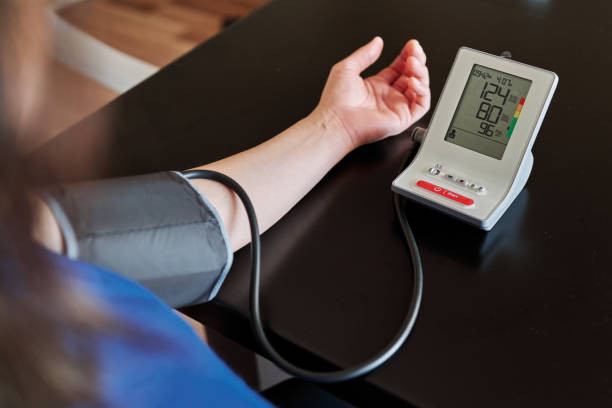
As you step into your 40s, the body undergoes several physiological shifts that can influence blood pressure. Monitoring your blood pressure becomes especially important at this age to support heart health and reduce the risk of cardiovascular diseases.
With age, blood vessels begin to lose flexibility, which can lead to elevated blood pressure levels. In women, hormonal fluctuations leading up to menopause may also contribute to increased blood pressure.
So, what’s considered normal blood pressure once you're in your 40s? Find out more in the explanation below.
Normal Blood Pressure In The Your 40s
According to the American Heart Association (AHA), the ideal blood pressure for adults—including those in their 40s—is around 120/80 mmHg. The top number is known as systolic pressure (measuring the force when the heart pumps blood), while the bottom number is diastolic pressure (measuring the pressure when the heart is at rest).
However, individual blood pressure readings can differ based on a range of factors, including lifestyle, genetics, and current health. Excessive intake of salty foods, physical inactivity, smoking, and alcohol use are all habits that can raise blood pressure over time and increase the likelihood of hypertension.
In your 40s, life may also come with greater work demands and family responsibilities—factors that can heighten stress and, in turn, affect blood pressure.
Here’s a general classification of blood pressure levels:
-
Normal: 120/80 mmHg
-
Prehypertension: 120–129/80 mmHg
-
Stage 1 hypertension: 130–139/80–89 mmHg
-
Stage 2 hypertension: ≥140/≥90 mmHg
-
Hypertensive crisis: ≥180/≥120 mmHg (requires immediate medical attention)
How to Maintain Normal Blood Pressure in Your 40s
Even though arteries naturally lose elasticity with age, there are ways to keep blood pressure in check. Here are several strategies:
Adopt a balanced diet
Limiting salt and processed food intake is key to maintaining stable blood pressure. Focus on incorporating more fruits, vegetables, and fiber-rich foods into your meals. Opt for healthy protein sources like fish, legumes, and lean meats.
Stay physically active
Engaging in regular physical activity, at least 150 minutes per week, can support healthy blood pressure. Exercise strengthens the heart’s ability to circulate blood efficiently, which helps reduce the pressure on blood vessels.
Weight gain is a common concern with age, and being overweight is a known risk factor for high blood pressure. Staying active helps manage body weight, lowering the risk of hypertension and supporting overall cardiovascular wellness.
Manage stress effectively
Keeping stress levels under control is crucial to maintaining healthy blood pressure. Long-term stress can raise cortisol levels, which may trigger temporary or even sustained blood pressure increases.
Incorporating stress-reducing practices such as meditation, deep breathing, or yoga into your routine can help calm the nervous system and naturally lower blood pressure.
Break harmful habits
Unhealthy habits like smoking and excessive alcohol intake can drive blood pressure higher. Chemicals in cigarettes—especially nicotine—can harm blood vessel function and contribute to chronic hypertension over time.
Alongside the healthy habits mentioned above, it's wise to check your blood pressure regularly once you’re in your 40s—especially if you have a family history of hypertension. If your readings begin to climb, speak with a healthcare professional or use the consultation feature available in the Ai Care app, downloadable via the App Store or Play Store.
Looking for more information about other diseases? Click here!
- dr Hanifa Rahma
Mayo Clinic (2024). 10 ways to control high blood pressure without medication. Available from: https://www.mayoclinic.org/diseases-conditions/high-blood-pressure/in-depth/high-blood-pressure/art-20046974
Heart Research Institute (2024). What is normal blood pressure by age?. Available from: https://www.hri.org.au/health/learn/risk-factors/what-is-normal-blood-pressure-by-age
Harvard Medical School (2024). Reading the new blood pressure guidelines. Available from: https://www.health.harvard.edu/heart-health/reading-the-new-blood-pressure-guidelines
Health Direct (2022). What is a healthy blood pressure?. Available from: https://www.healthdirect.gov.au/what-is-a-healthy-blood-pressure