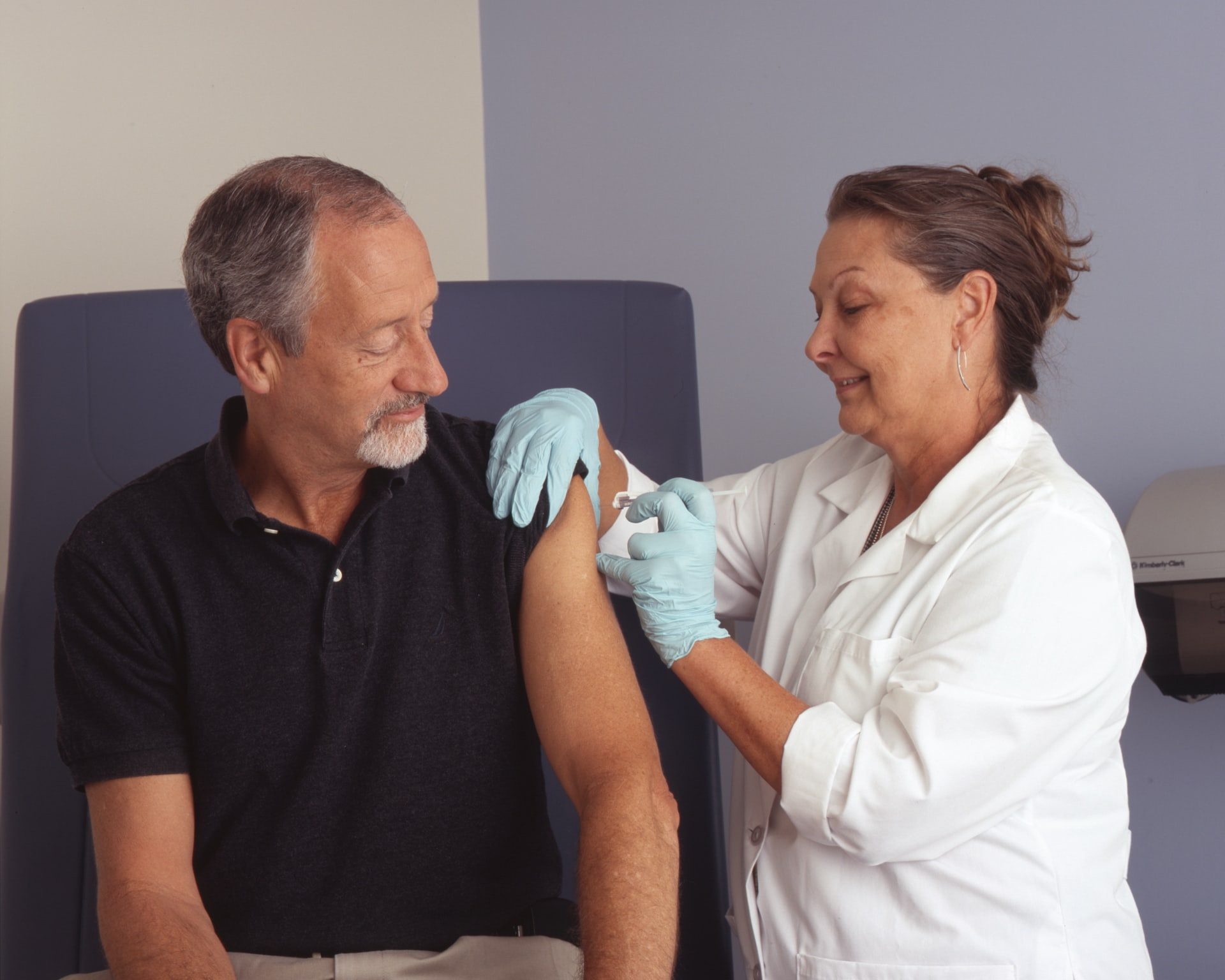

Vaccines are essential tools in the fight against infectious diseases. They help protect individuals and communities by building immunity to harmful pathogens. However, not all vaccines function the same way.
Broadly, vaccines are classified into two categories based on how they operate: live vaccines and inactivated vaccines. Understanding the differences between these types helps us make informed decisions about vaccination, including who can receive which vaccine and the kind of protection each provides.
What Are Live Vaccines?
Live vaccines are made using weakened forms of the virus or bacteria that cause disease. In the medical field, these are known as live attenuated vaccines.
These weakened germs can still replicate in the body, but they’re not strong enough to cause illness in healthy individuals. Their main purpose is to simulate how the body would naturally respond to infection, helping it learn to recognize and fight the real virus in the future.
Because live vaccines trigger a strong immune reaction similar to natural infection, they often provide long-term or even lifetime immunity. Usually, only one or two doses are needed to give lasting protection.
However, since they contain living microorganisms, live vaccines are not recommended for people with compromised immune systems. This includes individuals with HIV, cancer patients receiving chemotherapy, or those on immune-suppressing medications.
Examples of live vaccines include:
-
MMR vaccine (for measles, mumps, and rubella)
-
Chickenpox vaccine
-
BCG vaccine (used to protect against tuberculosis)
What Are Inactivated Vaccines?
Inactivated vaccines contain viruses or bacteria that have been killed using chemical, heat, or other processes. Because the pathogens are no longer alive, these vaccines cannot cause disease, even in people with weakened immune systems.
These vaccines work by helping the immune system recognize and respond to specific components of the pathogen. Although the immune response may not be as strong or long-lasting as that of live vaccines, inactivated vaccines are often safer options for at-risk groups.
Some common examples of inactivated vaccines include:
-
Inactivated polio vaccine (IPV)
-
Seasonal influenza vaccine (made with killed viruses)
-
Hepatitis A vaccine
-
Rabies vaccine
Being aware of the differences between live and inactivated vaccines is especially important for people with special health conditions. If you’re undergoing treatment for cancer, living with HIV/AIDS, or using medications that affect immune response, it’s vital to choose the right type of vaccine for your situation.
Be sure to consult a doctor to determine which vaccine is best for you. This ensures that you stay protected without increasing health risks. For added convenience, you can also use the Ai Care health consultation app, available for download from the App Store or Play Store.
Looking for more information about other diseases? Click here!
- dr Hanifa Rahma
CDC (2024). Immunity Types. Available from: https://www.cdc.gov/vaccines/basics/immunity-types.html
Health and Human Service (2022). Vaccine Types. Available from: https://www.hhs.gov/immunization/basics/types/index.html
Medline Plus (2024). Vaccines - immunizations. Available from: https://medlineplus.gov/ency/article/002024.htm
CDC (2024). Reasons to Vaccinate. Available from: https://www.cdc.gov/vaccines-children/reasons/index.html