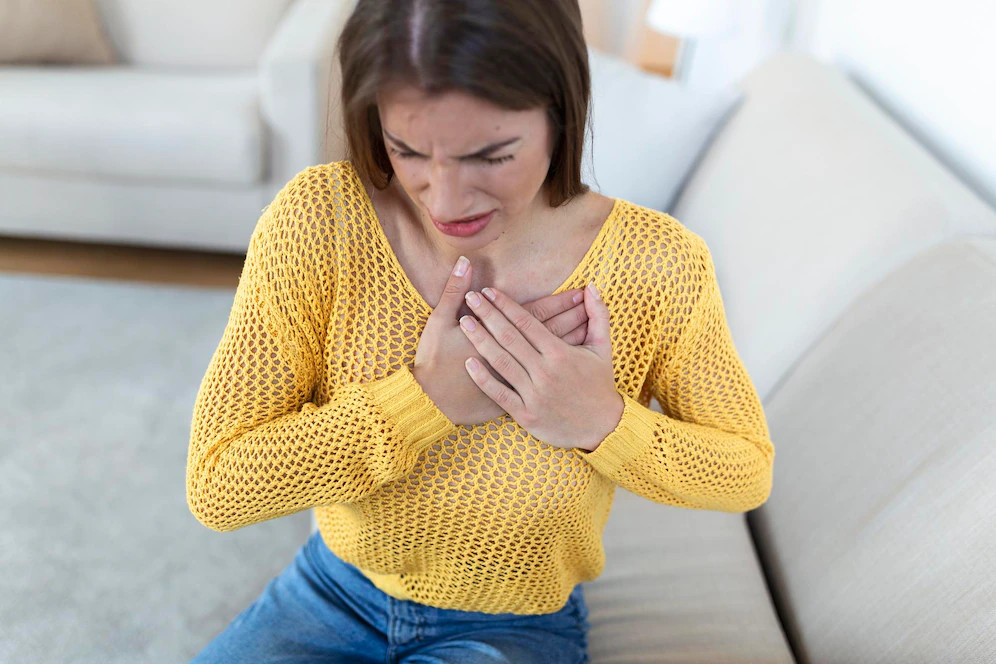
For a long time, heart attacks were thought to be a problem only for older adults. In reality, as lifestyles and risk factors change, heart attacks can also occur at a much younger age, including in women in their 20s and 30s.
What Is a Heart Attack?
A heart attack, or myocardial infarction, occurs when blood flow to part of the heart muscle is reduced or completely blocked. This blockage is usually caused by a buildup of fat, cholesterol, and other substances inside the coronary arteries. These deposits, which contain cholesterol, are called plaque. Sometimes, the plaque can rupture and form a blood clot that blocks blood flow. When blood flow is cut off, the heart muscles are damaged.
Causes of Heart Attack in Young Women
A few decades ago, heart attacks in young women were considered extremely rare. Today, however, they are no longer unusual in hospitals and have become a significant cause of death in younger adults.
Coronary artery disease, in which one or more coronary arteries become blocked, is the main cause of most heart attacks. Plaque buildup narrows these arteries and reduces blood flow to the heart. In women, however, there are several additional risk factors that can contribute to heart attacks at a younger age, such as:
- High blood pressure
High blood pressure related to birth control pills or pregnancy can increase the risk of heart attack in young women.
- High cholesterol levels
Oestrogen normally helps protect women from unhealthy cholesterol levels, but certain conditions can lower oestrogen levels so cholesterol levels could increase.
- Smoking habits
Smoking habits do not only increase heart attack risk in men. Women who smoke also face a higher risk of heart disease, including heart attacks. Research even suggests that women may find it harder to quit smoking than men.
Other factors that raise the risk of heart attack in women include:
-
Diabetes
-
Obesity
-
A family history of heart disease
-
Age
-
An unhealthy diet
-
Lack of physical activity
-
Heavy alcohol use
Heart Attack Symptoms in Young Women
Although both men and women can experience heart attacks, their symptoms are not always the same. Men more often report intense, crushing chest pain, while women tend to describe chest discomfort that feels more like tightness, pressure, or heaviness sensation. In many women, symptoms can also develop more gradually, and unusual fatigue is often an early warning sign before a heart attack occurs.
When a heart attack happens, women may experience symptoms such as:
-
Discomfort or pain in the upper body, including the back, neck, jaw, arms, or upper abdomen
-
Shortness of breath
-
Dizziness or lightheadedness
-
Cold sweats
-
Fatigue
-
Nausea and vomiting
Preventing Heart Attacks in Young Women
Although genetic factors cannot be changed and some heart attacks cannot be completely prevented, living a healthy lifestyle can significantly lower the risk of heart attacks and other cardiovascular diseases.
To reduce the risks of heart attacks at a young age, you can:
-
Maintain a healthy body weight and avoid being overweight or obese, as excess weight increases heart attack risk
-
Eat a balanced diet and limit processed foods and sugary products, while increasing nutrient-dense foods and complex carbohydrates
-
Exercise regularly for at least 150 minutes per week
-
Cut back on alcohol intake and limit it to no more than one drink per day
-
Increase daily physical activity, for example by walking to nearby destinations, choosing stairs instead of lifts or escalators, and moving more throughout the day
-
Manage stress in healthier, more effective ways instead of turning to food or alcohol, and seek supportive communities that encourage positive hobbies and interests so stress can be handled constructively
Adopting healthier lifestyle habits can greatly reduce your risk of heart disease, but you should still have regular medical check-ups to make sure these efforts are working and to detect problems early. Take care of your heart health now to support a better quality of life in the future.
Looking for more information about other diseases? Click here!
- dr Hanifa Rahma
American Heart Association News (2018). 5 reasons you could develop heart disease before 50. Available from: https://www.heart.org/en/news/2018/09/13/5-reasons-you-could-develop-heart-disease-before-50
Virginia Colliver, M.D. Heart Attacks Striking Younger Women. Available from: https://www.hopkinsmedicine.org/health/conditions-and-diseases/heart-attack/heart-attacks-striking-younger-women
Cleveland Clinic (2019). Why Are Heart Attacks on the Rise in Young People?. Available from: https://health.clevelandclinic.org/why-are-heart-attacks-on-the-rise-in-young-people/
David Rossiaky (2022). Heart Attacks: What Does Age Have to Do With It?. Available from: https://www.healthline.com/health/heart-attack/heart-attack-age
Mayo Clinic (2022). Heart attack. Available from: https://www.mayoclinic.org/diseases-conditions/heart-attack/symptoms-causes/syc-20373106