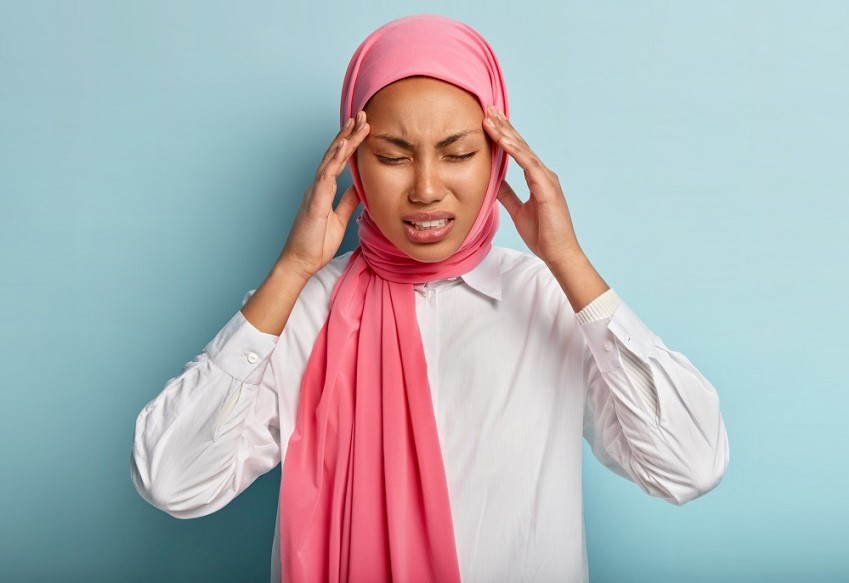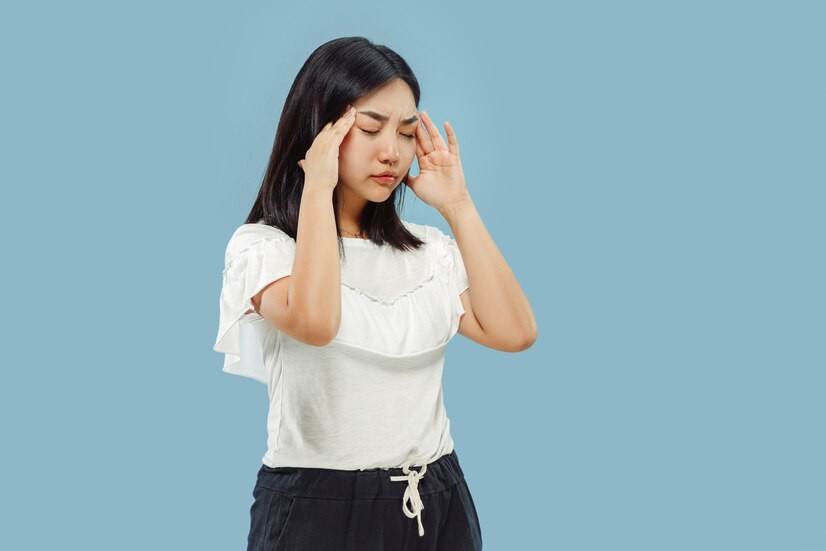

Tension headaches and migraines are both classified as primary headaches, meaning they occur independently without being triggered by another health condition. While both are forms of headache, they have distinct features. Understanding the differences between them is crucial for selecting the most appropriate treatment.
Differences Between Tension Headache and Migraine
Tension headaches, or tension-type headaches, are among the most prevalent types of headaches. They can occur sporadically and resolve on their own, or persist throughout the day. These headaches typically cause discomfort, but they aren't usually severe, allowing individuals to continue with their daily activities.
In contrast, migraines are intense headaches that typically affect one side of the head. The pain intensity of a migraine ranges from moderate to severe, which can hinder daily tasks. Migraines can last anywhere from 4 hours to 3 days.
Here are some other key differences between tension headaches and migraines:
|
|
Tension headaches |
Migraine |
|
Location of pain |
Both sides of the head, generally around the forehead |
Frequently affects one side, but may switch sides |
|
Pain intensity |
Mild to moderate |
Moderate to severe |
|
Type of pain |
Dull pain, pressing sensation is felt |
Throbbing pain |
|
Response to physical activity |
Does not worsen with physical activity |
Pain worsens with activity |
Symptoms
Tension headaches and migraines exhibit different symptoms. In the case of tension headaches, the pain is typically felt on both sides of the head with a sensation of strong pressure, though it is not as intense. It can feel like your head is being squeezed or pressed, often accompanied by muscle tension in the neck and shoulders, and sometimes pain in the temples.
On the other hand, migraines are marked by throbbing headaches that can range from moderate to severe in intensity. The pain is generally concentrated around the eyes or temples and is often accompanied by sensitivity to light, sound, and smells. Additional symptoms such as nausea can also occur with migraines.
Causes
Tension headaches are typically triggered by stress or fatigue, leading to muscle tension in the neck and jaw. Several lifestyle factors can also contribute to tension headaches, including:
-
Prolonged screen time, which causes eye strain and tension.
-
Excessive alcohol consumption.
-
High caffeine intake.
-
Teeth grinding, which puts strain on the jaw.
In contrast, the exact cause of migraines is not fully understood. However, experts believe that both environmental and genetic factors play a significant role. Migraines are believed to result from changes in the nerves within the blood vessels, which trigger the release of chemicals that cause inflammation in the brain. Common migraine triggers include:
-
Insufficient sleep.
-
Hormonal fluctuations.
-
Exposure to bright lights.
-
Stress.
Treatments
Tension headaches can often be relieved with over-the-counter pain medications. Along with medication, practicing stress management and relaxation techniques are helpful in easing tension headaches.
Migraine treatment may involve avoiding known triggers such as specific foods, lack of sleep, or sudden weather changes. Over-the-counter headache medications can also provide relief. For frequent migraines, a healthcare provider may prescribe preventive medications to reduce the frequency and severity of attacks.
Tension headaches and migraines are both common conditions. If you have concerns or questions about headaches, consider consulting a doctor or using the consultation service on the Ai Care app, available for download from the App Store and Play Store.
Looking for more information about other diseases? Click here!
- dr Hanifa Rahma
Cohen, M. (2024). Tension Headache vs. Migraine. Available from: https://www.webmd.com/migraines-headaches/migraine-vs-tension-headache
Bottaro, A. (2024). Tension Headache vs. Migraine: What Are the Differences?. Available from: https://www.verywellhealth.com/tension-headache-vs-migraine-5201993
Sherrell, Z. (2024). Migraine vs. tension headache: Telling the difference. Available from: https://www.medicalnewstoday.com/articles/migraine-vs-tension-headache