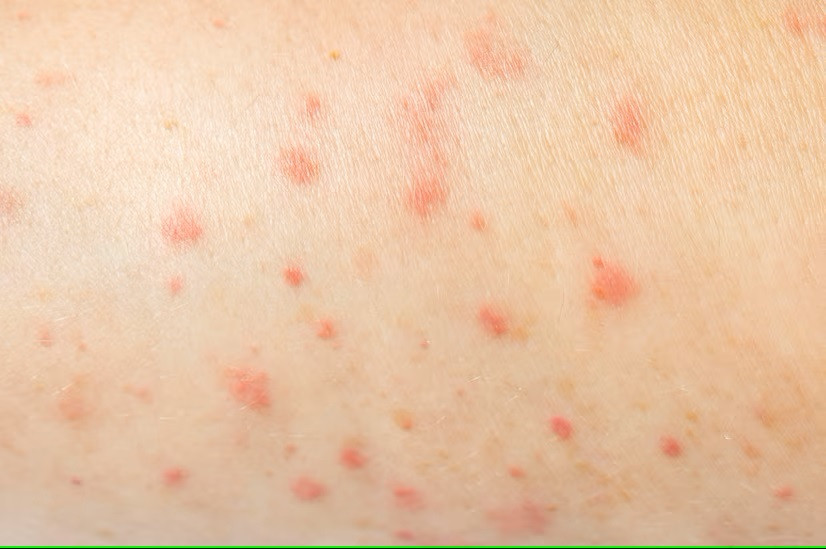
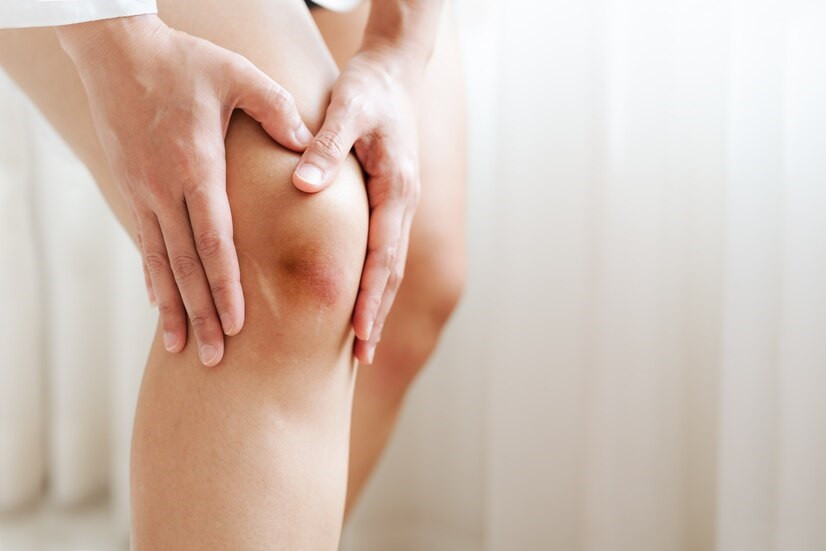
In medical terms, a bruise is called ecchymosis. A bruise is a change in skin color that occurs when tiny blood vessels under the skin are damaged and leak.
Bruises can develop for many reasons. The most common is bumping into something. However, bruises can also be triggered by other causes, including:
Why Bruises Can Appear All of a Sudden
Beyond minor knocks, several factors can make you bruise more easily. Some are harmless, but others deserve attention because they can point to specific medical problems.
Liver Disease
Liver disorders such as cirrhosis can impair liver function and interfere with blood clotting. As a result, bruises may form readily on the skin when liver function is disrupted.
The liver produces clotting proteins that help stop bleeding after a cut or injury. When the liver is not working well, production of these proteins can drop, so clotting becomes less effective. That’s why wounds that should heal quickly may take much longer.
Liver disease can also lead to a buildup of substances that weaken blood vessel walls and make them easier to rupture. This, in turn, can cause bruising on the skin.
Genetic Disorders
Certain inherited conditions can affect the body’s ability to clot blood, leading to easy bruising. Examples include:
- Hemophilia — a genetic condition that makes blood clotting difficult
- Immune thrombocytopenic purpura (ITP) — an immune disorder in which the body destroys platelets
- Ehlers-Danlos syndrome — a genetic disorder that weakens connective tissue, so blood vessels rupture more easily
- Von Willebrand disease — a genetic condition that impairs clot formation due to a deficiency of specific clotting factors
Vitamin Deficiencies
Deficiency of particular vitamins can make the skin bruise easily. The vitamins below are important for healthy clotting; if you have these vitamin deficiencies, bruising is more likely to occur. These include:
- Vitamin K, which is essential for the clotting process.
- Vitamin C, which supports collagen production, a protein needed to build strong blood vessel walls.
- Vitamin D, which aids calcium absorption and plays a role in clotting.
- Folic acid, vitamin B6, and vitamin B12 deficiencies, which can also disrupt clotting and increase the tendency to bruise.
Leukemia
People with leukemia have a higher risk of bruising because the disease affects blood cell production in the bone marrow. In addition, cancer treatments such as chemotherapy and radiation can suppress bone marrow function and lower platelet counts. This makes bruising more likely and increases the risk of bleeding.
What Should You Do If You Have a Bruise?
Most bruises fade on their own without treatment. However, bruises that keep coming back, get worse, are accompanied by fever or other skin changes, and take a long time to improve should be evaluated with more detailed tests by a doctor. Your doctor can determine the cause and suggest appropriate treatment based on your situation.
Looking for more information about other diseases? Click here!
- dr Hanifa Rahma
Zawn Villines (2022). What to know about bruising easily. Available from: https://www.medicalnewstoday.com/articles/325525
Cleveland Clinic (2023). Bruises (Ecchymosis). Available from: https://my.clevelandclinic.org/health/diseases/15235-bruises
Brittany Poulson, MDA, RDN, CD, CDCES (2021). Complications of Cirrhosis. Available from: https://www.verywellhealth.com/complications-of-cirrhosis-63380
CDC (2022). What is Hemophilia?. Available from: https://www.cdc.gov/ncbddd/hemophilia/facts.html
NHS UK (2022). Ehlers-Danlos syndromes. Available from: https://www.nhs.uk/conditions/ehlers-danlos-syndromes/
John Hopkins Medicine. Idiopathic Thrombocytopenic Purpura. Available from: https://www.hopkinsmedicine.org/health/conditions-and-diseases/idiopathic-thrombocytopenic-purpura
Stephanie Watson (2022). Understanding Rashes and Bruising in Leukemia. Available from: https://www.healthline.com/health/pictures-leukemia-rashes-bruises