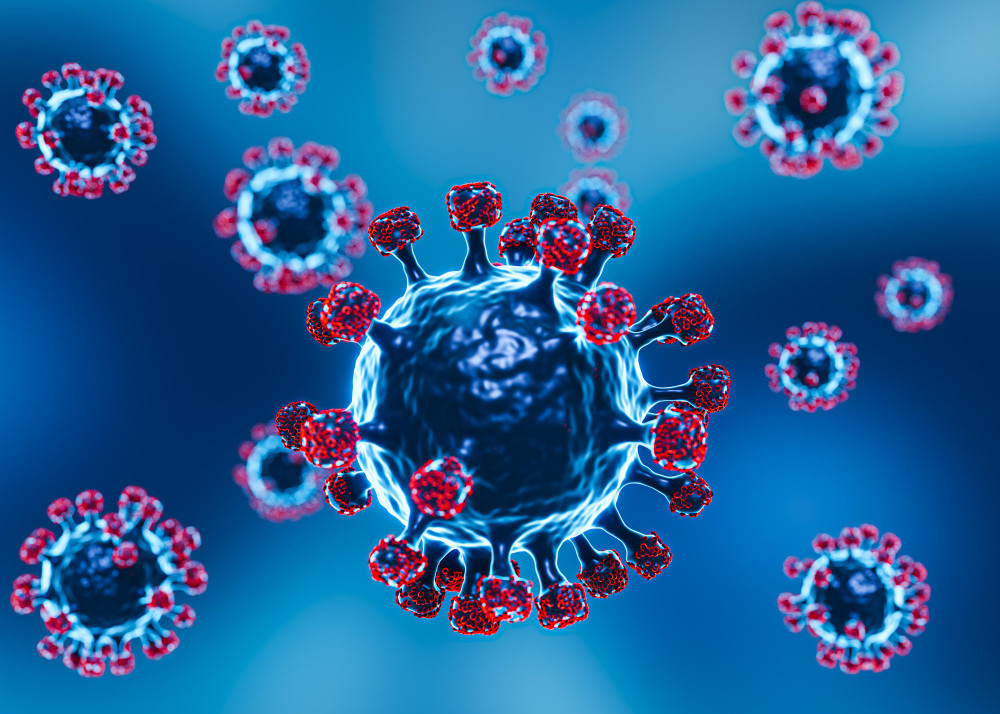
Omicron, a newly identified variant of the Covid-19 virus, has become a major focus worldwide. First reported in South Africa on November 24, 2021, the World Health Organization (WHO) classified the Omicron variant, also called the B.1.1.529 variant, as a variant of concern (VOC).
After its detection in South Africa, confirmed Omicron cases soon appeared in several other countries such as Botswana, the United Kingdom, Hong Kong, Italy, and Australia. The Omicron variant has been linked to a rapid rise in infections in South Africa, spreading at a pace that seems faster than the Delta variant.
So, Is the Omicron Variant Truly More Severe?
WHO data shows that hospitalizations of Covid-19 patients in South Africa tripled within a week following the spread of the Omicron variant. Many of those infected were younger individuals and often presented with milder symptoms.
Even so, the WHO emphasized that it is still uncertain whether this variant is significantly more severe than Delta or earlier variants. Researchers need several weeks to analyze the seriousness of Omicron infections. For now, it remains unclear whether the increase in Covid-19 cases in South Africa is solely due to Omicron or if other factors also play a role.
Pay Attention to Reinfection
A recent WHO report confirmed that Omicron is different from the C.1.2 variant. Omicron carries multiple mutations concentrated in the protein area that allows the virus to attach to human cells. Research indicates that this variant may increase the risk of reinfection more than other variants of concern.
Using the commonly applied SARS-CoV-2 PCR test, scientists found that one of the three targeted genes was not detected, a condition referred to as S gene target failure. This feature enables the PCR test to serve as a marker for Omicron while waiting for sequencing confirmation. With this method, the Omicron variant was identified more quickly and is suspected of spreading faster than earlier variants.
WHO Recommendations
Studies examining the Omicron variant are still ongoing. In response to the emergence of this new variant of concern, the WHO continues to stress that the most effective measures to reduce Covid-19 transmission are maintaining a minimum distance of 1 meter, consistently wearing masks, ensuring good ventilation, washing hands frequently, and completing the full course of vaccination.
If you develop typical Covid-19 symptoms such as fever, a persistent cough, or loss of smell, get tested for Covid-19 promptly and seek medical advice for proper care.
Looking for more information and health articles about Covid-19? Click here!
- dr Hanifa Rahma
WHO. Weekly Epidemiological Update on Covid-19 (2021). Available from : Weekly epidemiological update on COVID-19 - 30 November 2021 (who.int)
WHO. Update on Omicron. Available from : Update on Omicron (who.int)
WHO. Classification of Omicron (B.1.1.529): SARS-CoV-2 Variant of Concern. Available from : Classification of Omicron (B.1.1.529): SARS-CoV-2 Variant of Concern (who.int)