Definition
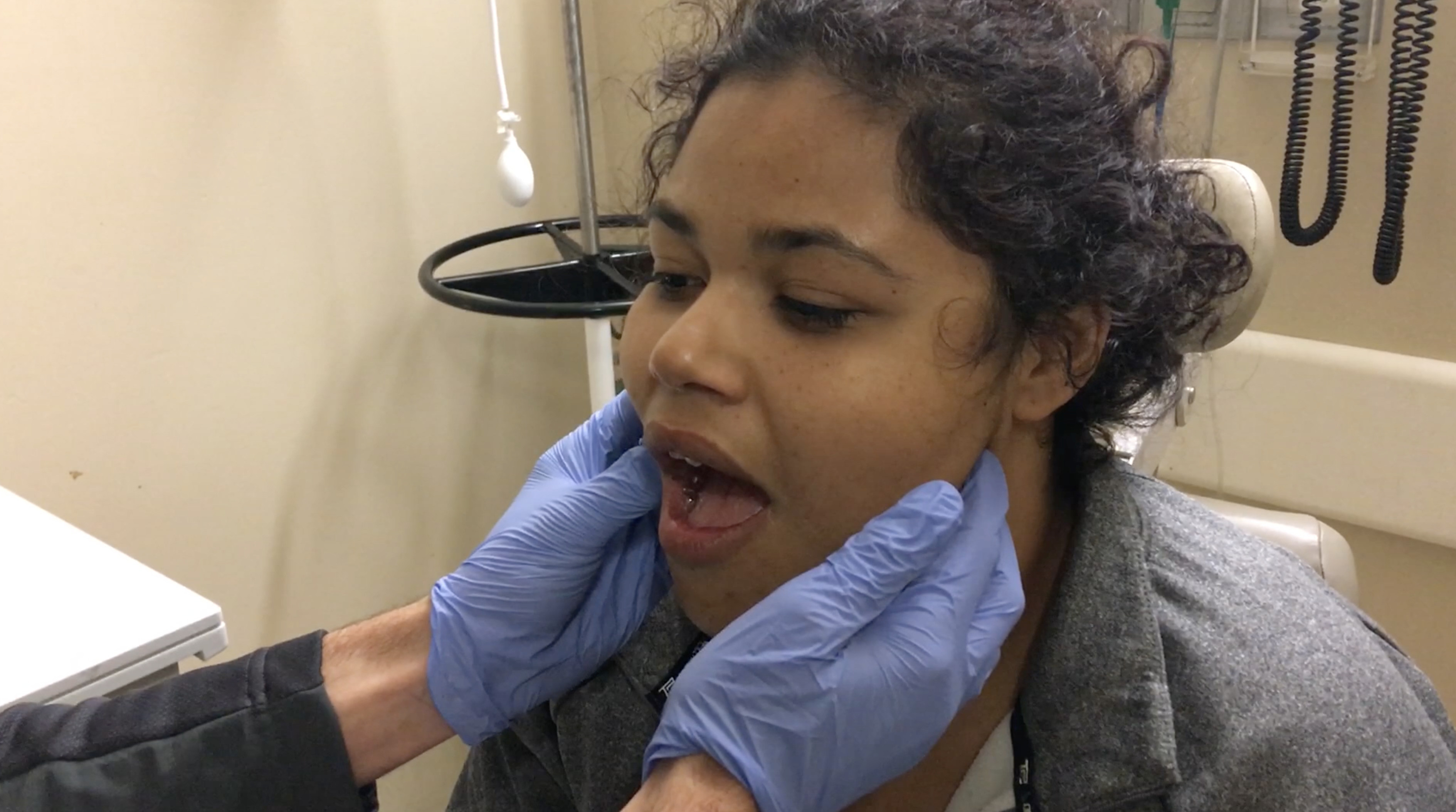
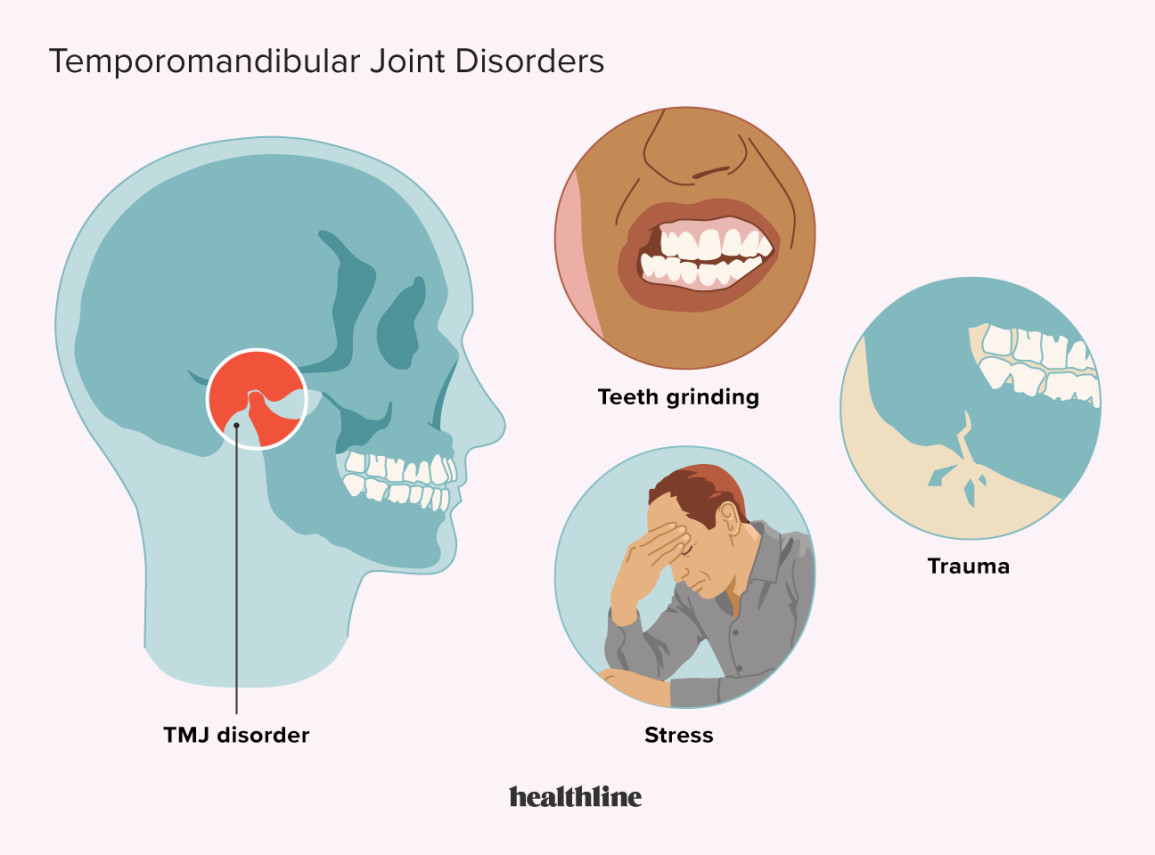
Temporomandibular joint disorders (TMD) are a collection of disorders affecting the jaw joint, causing pain and dysfunction in the muscles that control jaw movement. Each person has two jaw joints, one on each side. You can feel them by placing your hands in front of your ears and opening your mouth.
There are three main categories of TMD:
- Joint disorders, including issues with joint cushioning.
- Disorders of the chewing muscles.
- Headaches related to TMD.
Each of these categories contains more specific disorders.
Most cases of TMD are short-term and resolve on their own. However, in some instances, TMD can become chronic or long-lasting. Additionally, TMD may occur alone or alongside other medical conditions, such as headaches, back pain, sleep disorders, fibromyalgia (muscle pain), and irritable bowel syndrome.
Causes
In most cases, the cause of TMD is not clearly understood. Symptoms often arise without an identifiable cause or reason. Recent research suggests that a combination of genetic, psychological, and stress factors, as well as how a person processes pain, influences the onset and duration of TMD.
Risk Factor
Several factors can increase the risk of developing TMD, including:
- Gender and age: TMD is twice as common in women as in men, especially in women aged 35 to 44
- Joint inflammation, such as rheumatoid arthritis and osteoarthritis
- Jaw injuries
- Habits like clenching or grinding teeth
- Other conditions that cause problems in the jaw joints
Symptoms
Common symptoms of TMD include clicking or popping sounds when moving the jaw. However, these sounds do not indicate severity and are considered normal. They are not a reason to require surgery.
Other symptoms include:
- Jaw muscle pain
- Pain radiating to the face or neck
- Jaw stiffness
- Limited jaw movement or jaw locking
- Ringing in the ears, hearing loss, or dizziness
- Changes in how the upper and lower teeth fit together when closing the mouth
Diagnosis
Currently, no standard test is available to diagnose TMD. Because the exact cause and symptoms are often unclear, identifying TMD can be challenging.
Your doctor or dentist will ask about your symptoms and medical history. They will inquire about your pain, including its location, timing, triggers, and whether the pain is localized or radiates to other parts of the body. The doctor will also ask if you have other pain conditions, such as headaches or back pain.
They will examine your head, neck, face, and jaw for tenderness, clicking or popping sounds, or difficulty moving the jaw. The doctor may also recommend imaging tests like X-rays, MRIs, or CT scans.
Jaw, mouth, or facial pain may or may not be related to TMD. Your doctor or dentist will need to rule out other conditions that can produce similar symptoms before diagnosing you with TMD.
Management
Before receiving treatment for TMD, it's important to understand the following:
- Clicking or popping sounds in the jaw joint without pain are common and usually don’t require treatment.
- Most signs and symptoms of TMD resolve on their own without therapy.
- Experts recommend avoiding treatments that result in permanent changes to the jaw joints, teeth, or their alignment, as well as procedures that involve surgery.
Initial home treatments for TMD include:
- Eating soft foods.
- Applying warm or cold compresses to the face.
- Jaw stretching and strengthening exercises.
- Short-term pain relievers like acetaminophen.
- Reducing habits like clenching the jaw, chewing gum, or biting nails.
Self-management activities include:
- Learning about your TMD.
- Practicing meditation and relaxation techniques.
- Engaging in activities that matter to you.
If these methods are not effective, your doctor may recommend further treatments, such as:
- Behavioral Therapy (usually conducted by a psychologist): This can help manage TMD. Cognitive behavioral therapy (CBT) and biofeedback are examples. CBT helps identify and change negative thoughts or behavior patterns, while biofeedback uses sensors to monitor breathing, heart rate, muscle contractions, and body temperature. For instance, a sensor on your jaw can detect when you tighten your jaw muscles. With the help of a therapist, you will learn to recognize and relax these behaviors.
- Physical Therapy: The goal is to maintain, improve, or restore jaw function. One type of physical therapy, manual therapy, involves the therapist stretching the soft tissues and muscles around the jaw. This has been shown to improve function and reduce pain.
- Prescription Medications: These may include anti-inflammatory drugs to manage pain. Other medications like anti-anxiety drugs, antidepressants, anticonvulsants, and opioids may also be prescribed. Some of these drugs can cause dependency or have serious side effects, so it's essential to discuss the duration of use with your doctor.
- Intraoral Devices: These devices are fitted over the teeth but do not change the teeth or their alignment. Studies show limited benefits in reducing TMD pain.
- Surgical Procedures: These may involve injections or the use of other devices into the jaw muscles or joints or manipulation of teeth positioning. However, these interventions may not always be effective and can sometimes worsen symptoms. It’s important to consult a specialist before considering these options.
Complications
Common complications of TMD include:
- Prolonged headaches, toothaches, and facial pain
- Muscle issues such as tightness or discomfort in the chewing muscles
- Dental problems, like changes in tooth alignment as you try to find a more comfortable position
- Joint inflammation
Prevention
Some TMD symptoms are caused by uncontrollable factors, such as tooth positioning. However, in some cases, you can reduce the risk of TMD by:
- Maintaining good posture
- Using a night guard if you habitually clench or grind your teeth
- Wearing a mouthguard during contact sports
- Practicing relaxation techniques to reduce stress
When to See a Doctor?
You should consult a doctor if you experience jaw pain or tenderness or if you cannot open or close your jaw properly. A doctor or dentist can help identify the cause and provide treatment for your condition.
Looking for more information about other diseases? Click here!
- dr. Alvidiani Agustina Damanik
TMD (Temporomandibular Disorders). (2022). Retrieved 9 September 2022, from https://www.nidcr.nih.gov/health-info/tmd.
TMJ disorders - Diagnosis and treatment - Mayo Clinic. (2018). Retrieved 9 September 2022, from https://www.mayoclinic.org/diseases-conditions/tmj/diagnosis-treatment/drc-20350945.
Temporomandibular Joint (TMJ) Disorders: Symptoms, Treatment & Prevention. (2021). Retrieved 9 September 2022, from https://my.clevelandclinic.org/health/diseases/15066-temporomandibular-disorders-tmd-overview#prevention.