
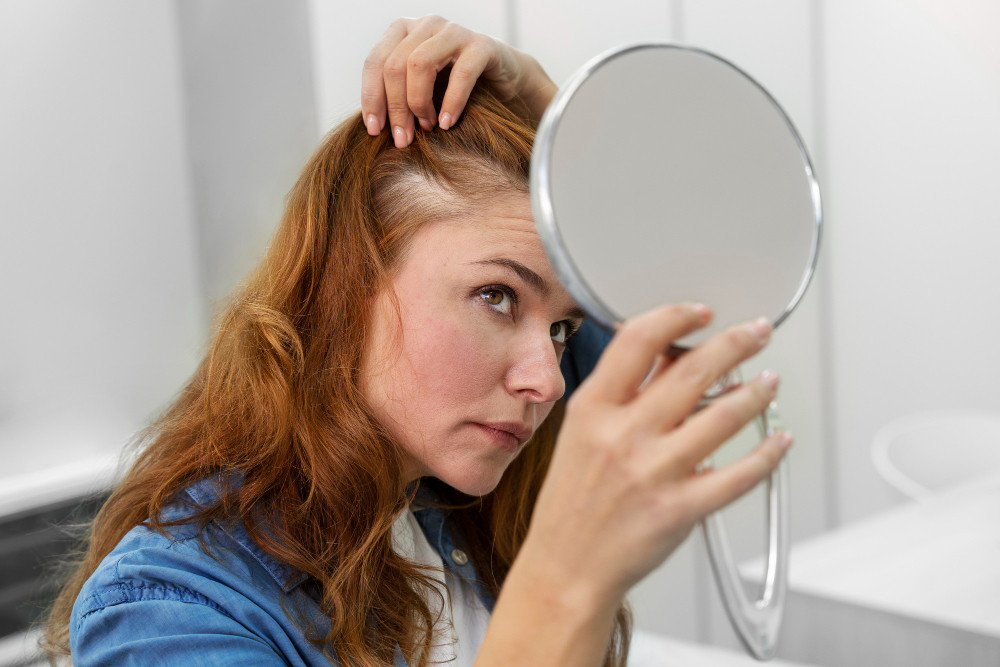
As you grow older, you may notice that your once-black hair gradually turns gray or white. This is a normal and natural sign of aging. But what exactly causes this change in hair color, and is there any way to prevent it? Read on for a closer look.
Causes of Gray Hair
The appearance of gray or white hair is one of the most visible signs of aging. While it is commonly associated with getting older, gray hair can actually start appearing in some individuals as early as their 20s or 30s. It’s completely normal to experience gray hair at a young age, and there’s no need for concern. People will develop gray hair at different ages depending on factors like genetics, lifestyle choices, and stress levels.
Hair’s black color is attributed to melanin, a pigment that gives hair its color. Melanin also determines the color of your eyes and skin.
As you age, the stem cells responsible for producing melanin can become damaged or worn out, making them less effective. When melanin production slows down, the hair loses its color, resulting in gray or white strands.
Several factors can contribute to the damage of these melanin-producing cells, including:
-
Aging
-
Vitamin deficiencies
-
Oxidative stress
-
Exposure to toxins, chemicals, and pollutants
-
Genetic factors
Hair Changes Related To Aging
Gray hair is just one of the many hair changes that come with aging. Older adults tend to experience hair thinning and are more prone to hair loss.
As you get older, your hair's growth cycle changes. The active hair growth phase shortens, and hair follicles may stop producing new strands, causing the hair to appear thinner.
Hair loss and baldness are also more common in older adults. While both men and women can experience this, men are generally more likely to develop baldness.
Additionally, the texture of hair can change with age. Many older adults notice that their hair becomes drier than it was in their younger years. This is primarily due to a decrease in the production of natural oils in the scalp, as well as hormonal changes that make hair more fragile and prone to dryness.
Hair Care for the Elderly
While the appearance of gray hair due to aging is inevitable, there are ways to maintain healthy hair and improve its condition, particularly if gray hair is caused by stress, chemical exposure, or vitamin deficiencies.
Here are some tips to promote hair growth and keep your hair healthy as you age:
-
Avoid washing your hair too frequently, as excessive washing can strip hair of natural moisture, making it dry and brittle. At a minimum, wash your hair twice a week to keep your scalp clean.
-
Use a conditioner to restore softness and shine to your hair.
-
Choose hair products that are specifically suited to your hair type.
-
Reduce the use of heated hair styling tools, such as curlers or straighteners.
-
Increase your intake of protein to nourish hair follicles. Foods that are great for hair health include green vegetables, eggs, berries, and avocados.
-
Check your medications. Some medications can interfere with hair growth. If your medication is causing hair loss or dryness, consult your doctor for alternative treatments.
Gray hair isn’t a health concern that requires medical treatment. While it is a normal part of aging, early graying in individuals in their 30s or 40s can sometimes impact self-confidence.
If you are experiencing hair health issues, consult a doctor or make use of the consultation feature on the Ai Care app, available for download from the App Store or Play Store.
Looking for more information about health tips and tricks, first aid, and other home remedies? Click here!
- dr Hanifa Rahma
Higuera, V. (2023). What Causes White Hair?. Available from: https://www.healthline.com/health/white-hair#
American Academy of Dermatology. What Causes Gray Hair, And Can I Stop It?. https://www.aad.org/public/everyday-care/hair-scalp-care/hair/gray-hair-causes#
Barhum, L. (2024). What you should know about gray or white hair. Available from: https://www.medicalnewstoday.com/articles/320288#
Raj, R. (2023). Causes of Premature Gray Hair. Available from: https://www.health.com/mind-body/what-going-gray-early-can-tell-you-about-your-health#
Haye, V. (2025). How Your Hair Changes as You Age and What to Do About It. Available from: https://www.healthline.com/health/beauty-skin-care/how-your-hair-changes-as-you-age-plus-what-to-do-about-it
WebMD Editorial Contributors. How to Maintain Hair Growth After 50. Available from: https://www.webmd.com/healthy-aging/maintain-hair-growth-after-50
Wheeler, R. (2024). Facts About Gray Hair. Available from: https://www.webmd.com/beauty/ss/slideshow-beauty-gray-hair-facts





