
Skin cancer most often develops when the skin is repeatedly exposed to sunlight without adequate protection. Even so, sun exposure is not the only cause. To reduce your risk of skin cancer, you need to have consistent protective measures.
Who Is at Risk of Skin Cancer?
Skin cancer does not only occur in people with fair or light skin. Anyone can develop skin cancer.
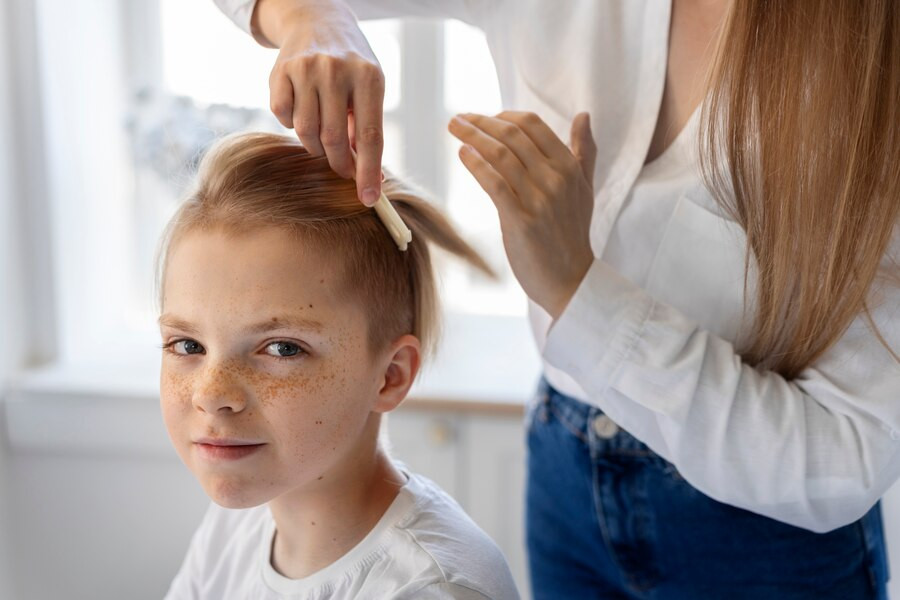
This condition can affect both men and women, and it can also occur in children and teenagers. Although skin cancer in children is relatively rare, parents still need to stay alert and take preventive steps early.
A person is more likely to develop skin cancer if they:
-
Spend a lot of time in the sun without using sunscreen or protective clothing
-
Have a family history of skin cancer
-
Have experienced repeated severe sunburns
-
Have a compromised immune system
-
Live in a sunny climate or at high altitude area
-
Have growing or changing moles
Healthy Habits to Help Prevent Skin Cancer From Dermatologists
Because everyone has some risk of developing skin cancer, it is important to adopt habits to prevent skin cancer. Dermatologists recommend the following habits:
-
Limit sun exposure between 10 a.m. and 4 p.m., when UV rays radiation is at its strongest.
-
Apply sunscreen every day to the face, hands, and feet, with a minimum SPF of 30. If you are outdoors or exercising in the sun, reapply every two hours.
-
Wear additional protection such as long-sleeved clothing, sunglasses, or a hat, ideally equipped with UV protection feature.
-
Avoid tanning beds, as they can damage the skin and increase the risks of skin cancer.
-
Regularly examine your skin and pay attention to any changes in moles, dark spots, or burns. If something seems unusual, consult a doctor for early assessment.
When Should You Be Concerned and See a Doctor?
You may need to see a dermatologist for early detection if you notice any of the following:
-
Unusual changes such as new growths on previously burned areas, moles that change shape or size, or painful moles and spots.
-
Any change in your natural skin tone, including tanning, burns, or new spots, as these can all increase skin cancer risk.
-
A patch of skin or a wound that does not heal within 4 weeks.
-
A patch of skin that remains painful, itchy, scaly, or bleeding for more than 4 weeks.
-
A sore area on the skin that does not improve or heal within 4 weeks.
-
A brown or black discoloration spreading beneath a fingernail or toenail.
To confirm whether a lesion is cancerous, a doctor will examine the patch or mole closely. If skin cancer is suspected, a skin biopsy is usually advised.
Do not hesitate or feel afraid to get checked if you experience any of the symptoms above. Detecting skin cancer early and starting treatment promptly can help stop it from spreading and prevent the condition from becoming more serious.
Looking for more information about health tips and tricks, first aid, and other home remedies? Click here!
- dr Hanifa Rahma
Elizabeth Demaree, D.O. (2022). 5 Simple Steps to Help Prevent Skin Cancer. Available from: https://www.mayoclinichealthsystem.org/hometown-health/speaking-of-health/simple-steps-to-prevent-skin-cancer
Mayo Clinic (2022). Skin cancer. Available from: https://www.mayoclinic.org/diseases-conditions/skin-cancer/symptoms-causes/syc-20377605
National Cancer Institute (2016). Anyone Can Get Skin Cancer. Available from: https://www.cancer.gov/types/skin/anyone-can-get-skin-cancer
Cancer Research UK (2023). Seeing your GP about skin cancer. Available from: https://www.cancerresearchuk.org/about-cancer/skin-cancer/getting-diagnosed/seeing-your-gp
American Academy of Dermatology Association. How Can I Tell If I Have Skin Cancer?. Available from: https://www.aad.org/public/diseases/skin-cancer/find/know-how