High blood pressure, also known as hypertension, is a health issue commonly seen in adults. If left uncontrolled, it can lead to serious complications, including heart disease, stroke, and even life-threatening conditions.
Blood pressure is the force required to move blood through the arteries. This force is influenced by how narrow or stiff the blood vessels are and how hard the heart has to pump. When blood pressure rises, the heart must work harder, which can cause the heart muscle to thicken. Over time, consistently high blood pressure can reduce the flexibility of the blood vessels and lead to damage.
Symptoms of Hypertension
In many cases, hypertension develops without any noticeable symptoms. According to WebMD, however, some individuals with high blood pressure may experience signs such as:
-
Dizziness
-
Feeling anxious or tense
-
Excessive sweating
-
Trouble sleeping
-
Facial flushing
If high blood pressure continues unchecked, the symptoms can become more severe, such as:
-
Intense headaches
-
Nosebleeds
-
Feeling extremely tired or confused
-
Blurred or impaired vision
-
Chest pain
-
Breathing difficulties
-
Irregular heart rhythms
-
Blood present in urine
-
Pounding sensations in the chest, neck, or ears
Since early-stage hypertension often has no symptoms, many people are unaware they have it. That's why the most reliable way to detect it is by regularly checking your blood pressure with a monitor.
Sodium and Hypertension
Sodium, often referred to as salt, is essential for your body to function well. It plays several key roles, such as:
-
Helping maintain the right balance of fluids
-
Supporting normal nerve and muscle activity
Your kidneys are responsible for regulating sodium levels in the body. When sodium is too low, they hold onto it. When it’s too high, they try to remove the excess through urine. However, if you consume too much sodium, your kidneys may not be able to remove it all, causing a buildup in the bloodstream.
Sodium holds onto water, which raises blood volume and puts extra pressure on blood vessels. This forces the heart to work harder. For people who are more sensitive to sodium, this can lead to higher fluid retention and increased blood pressure.
You may not realize how much sodium is hidden in everyday foods, such as cheese, fast food, pizza, bread, bacon, sausages, and more. These are often consumed in large amounts and on a regular basis. The American Heart Association recommends limiting sodium intake to no more than 1,500 mg per day to reduce the risk of hypertension.
How to Limit Sodium Intake
Reducing your sodium intake can be challenging, especially since many foods naturally contain sodium. But with a few adjustments, you can control your intake and improve your health.
- Choose more fresh and whole foods
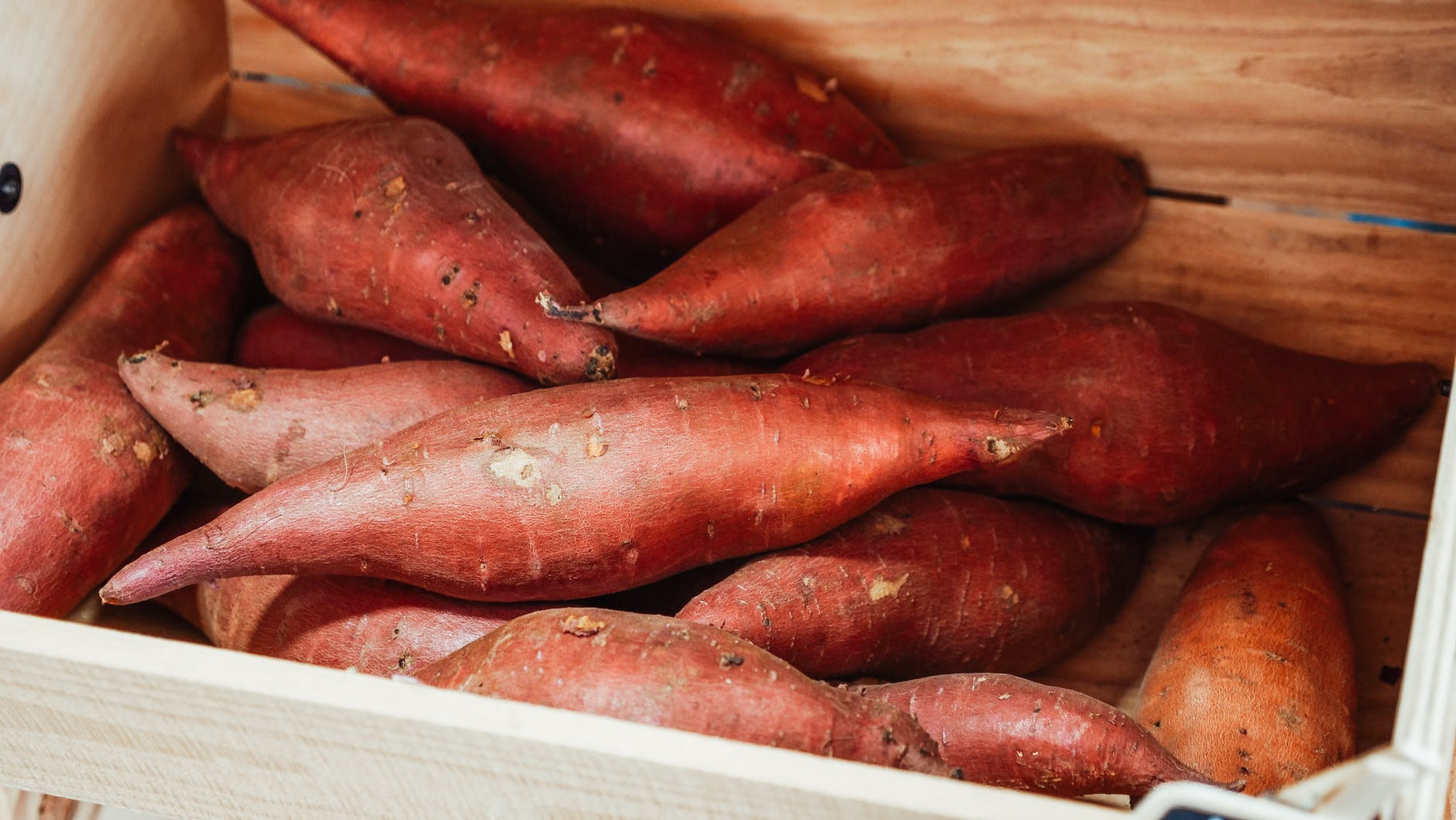
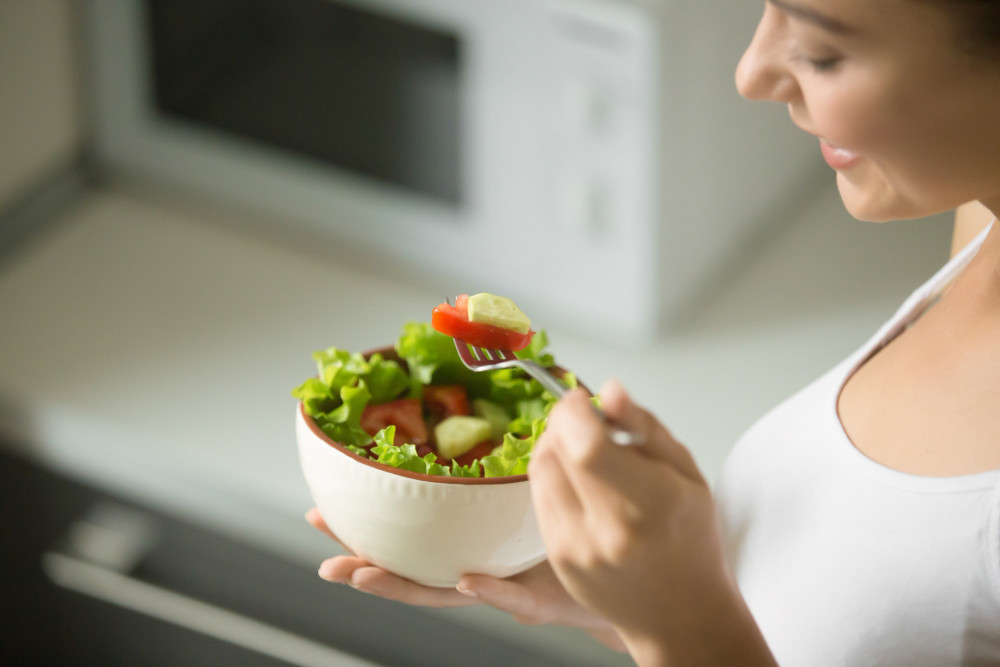
Fresh fruits and vegetables are naturally low in sodium, as are unprocessed meats and poultry. While some sausages or processed meats claim to be low in sodium, always check the packaging for nutritional information.
- Cook at home more often
Eating out may be convenient, especially during busy days, but restaurant meals often contain high amounts of sodium. Notice how food bought outside tends to taste much saltier and richer than meals you prepare at home.
Cooking simple meals at home can help you manage sodium levels more effectively.
- Use herbs and spices instead of salt
Salt isn’t the only way to add flavor to your meals. Try using seasonings like oregano, rosemary, lemon juice, or other herbs and spices. You should also limit the use of salty condiments like soy sauce, salad dressings, ketchup, mayonnaise, and mustard—all of which are often loaded with sodium.
Adjusting to less salty foods may not be easy at first, as your taste buds are used to intense flavors. But there's no need to make drastic changes overnight. Gradually reduce your salt use, and your palate will begin to adapt over time. It’s never too late to start making healthier choices for your heart and overall well-being.
Looking for information about nutrition, food and other diet tips? Click here!
- dr Hanifa Rahma
Mayo Clinic (2021). Sodium: How to tame your salt habit. Available from: https://www.mayoclinic.org/healthy-lifestyle/nutrition-and-healthy-eating/in-depth/sodium/art-20045479
Felman, A. (2021). Everything you need to know about hypertension (high blood pressure). Available from: https://www.medicalnewstoday.com/articles/150109
Mayo Clinic (2021). High blood pressure (hypertension). Available from: https://www.mayoclinic.org/diseases-conditions/high-blood-pressure/symptoms-causes/syc-20373410
WebMD (2020). Symptoms of High Blood Pressure. Available from: https://www.webmd.com/hypertension-high-blood-pressure/guide/hypertension-symptoms-high-blood-pressure