Definition
Tracheitis is an infection in the throat. The throat serves as a respiratory passage, connecting the nose to the lungs. When air is inhaled through the nose or mouth, it travels through the larynx, or voice box, and into the throat. The throat then divides into two passages, the right bronchus and the left bronchus, which lead to the lungs.
In addition to being the entry route for oxygen when we inhale, the throat also acts as the exit route for carbon dioxide, the byproduct of the body's energy combustion, when we exhale.
Tracheitis can be caused by bacteria or viruses. The most common bacteria causing tracheitis are Staphylococcus aureus, Streptococcus pneumoniae, and Pseudomonas aeruginosa.
Tracheitis most commonly occurs in young children and can cause difficulty breathing. It is also associated with conditions like tracheobronchitis (infection of the throat and bronchi) or bacterial croup, or laryngotracheobronchitis (infection of the larynx, throat, and bronchi).
Causes
Bacterial tracheitis is most commonly caused by the bacteria Staphylococcus aureus. This infection often occurs concurrently with upper respiratory tract infections caused by viruses.
Bacterial tracheitis can be caused by various bacteria, such as Staphylococcus aureus, Streptococcus pyogenes, Streptococcus pneumoniae, Moraxella catarrhalis, and Haemophilus influenzae type B.
Risk Factor
Risk factors for tracheitis include:
- Age group of children, as their airways are smaller and thus more prone to blockage if swelling occurs
- History of upper respiratory tract infections due to viruses
- Most commonly occurs between the ages of 3 and 8 years
- Placement of a breathing tube through the mouth (intubation) and the use of mechanical breathing aids, which facilitate bacterial colonization
- Weak immune system, making the body more susceptible to infections, including tracheitis
- Incomplete immunization, such as immunization to prevent Haemophilus influenza B bacteria
Tracheitis rarely occurs, only about one in a million cases. It is believed to occur more frequently in boys than girls.
Because it is very rare, when tracheitis occurs, it is often misinterpreted as viral croup, which is much more common. Croup, an upper respiratory tract infection commonly caused by viruses, is characterized by a harsh cough resembling a barking sound.
However, tracheitis is much more serious than croup. When severe, children with tracheitis usually require respiratory assistance.
Symptoms
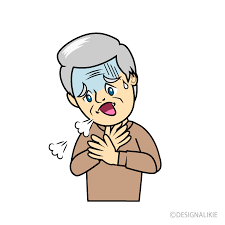
Signs and symptoms of tracheitis vary and may include:
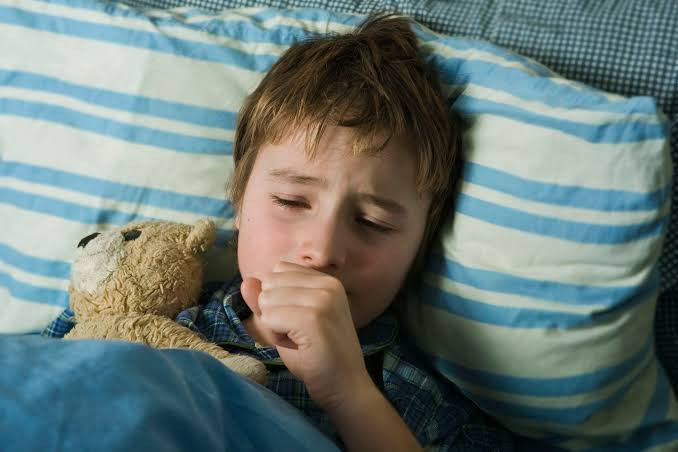
- Deep cough, similar to that of croup. A "barking" sound may be heard during coughing due to mucus
- Difficulty breathing
- Raspy breathing sound when inhaling (often heard)
- Whistling sound when exhaling
- High fever, usually over 39°C
- Bluish lips, indicating low oxygen levels as breathing ability worsens
- Child's muscles between the ribs retract inward during breathing, known as intercostal retractions. This is a sign of breathing difficulty
Croup cough, which sounds like barking, is a characteristic symptom of viral croup. This type of cough can also occur in tracheitis. Therefore, tracheitis is often difficult to distinguish from cases of croup, which are more common.
Distinguishing Tracheitis and Croup
Although the cough may sound very similar between tracheitis and viral croup, several signs can help distinguish between the two diseases.
Generally, symptoms of viral croup tend to worsen in the following days, while symptoms of tracheitis occur rapidly. Fever may differ; viral croup typically has a lower fever compared to tracheitis. Fever in croup rarely exceeds 39°C. High fever is the most common reason for patients to visit the emergency department.
Standard treatment for viral croup, humidified oxygen therapy, and inhaled epinephrine also differs from tracheitis treatment. Tracheitis may not respond to such therapy as rapidly as croup does.
Diagnosis
The diagnosis of tracheitis is based on symptom data, medical history, and the patient's physical examination results. The doctor will listen to the patient's breathing using a stethoscope to detect signs of respiratory distress. Additionally, the doctor may recommend diagnostic tests such as:
- Measuring blood oxygen levels using a pulse oximeter
- Blood gas test to measure oxygen levels in the patient's blood
- Sputum culture to determine the causative bacteria of the infection. Sputum can be obtained from the upper throat or other areas
- Chest X-rays and airway imaging to observe inflammation, swelling, or infection
- Tracheoscopy, a non-surgical procedure to view the throat using a flexible tube with a camera at its end. The images will be displayed on a monitor
With the above examinations, doctors can differentiate tracheitis from epiglottitis, inflammation or infection of the flap covering the throat when eating or drinking. Epiglottitis is less common. However, if experiencing epiglottitis, patients often require treatment for breathing difficulties.
Management
Early intervention is crucial in managing tracheitis. The doctor will perform laryngoscopy, an examination of the larynx, or the throat area containing the vocal cords. During laryngoscopy, the doctor will clear the airway of mucus that may obstruct breathing.
Initial management usually requires intensive care in the ICU. If necessary, intubation or inserting a breathing tube through the patient's mouth, will be performed. The breathing tube will also facilitate the suctioning of mucus by nurses to prevent airway obstruction.
Antibiotics for bacterial infections are also necessary. Commonly used antibiotics include ceftriaxone and vancomycin, administered intravenously. If blood or sputum cultures indicate resistance to these antibiotics, the antibiotic type will be changed.
Antibiotics administered via injection are given for 5-6 days and may be followed by oral antibiotics (taken by mouth) if the patient's condition improves and they can eat or drink. Treatment with antibiotics ranges from one to two weeks.
Complications
Some complications of tracheitis include children being prone to breathing difficulties because their narrower airways can swell quickly.
If the child's throat becomes completely obstructed, it can lead to respiratory arrest and death. If the child's infection is caused by Staphylococcus aureus bacteria, they may potentially develop toxic shock syndrome, characterized by low blood pressure and oxygen supply deficiency to the entire body. This condition can lead to fever, shock (low blood pressure and oxygen deficiency), organ failure, and even death.
Other complications include:
- Airway obstruction, which can lead to death
- Toxic shock syndrome, a decrease in oxygen supply to the body caused by Staphylococcus bacteria
- Pneumonia or lung inflammation and infection, reported in 19-60% of cases
- Sepsis, the spread of infection through the bloodstream to the entire body
- Acute respiratory distress syndrome (ARDS)
- Complications from endotracheal tubes such as tube blockage, unintentional tube dislodgement, or throat narrowing around the larynx
- Anoxic encephalopathy, or brain damage due to insufficient oxygen supply
- Cardiac and/or respiratory arrest
Prevention
Preventive measures are similar to those for preventing infections in general, such as regular handwashing, maintaining immune health, and adopting a healthy lifestyle.
Another preventive measure against bacterial tracheitis is vaccination against pneumococcal bacteria and viruses (such as measles and influenza), which can be risk factors for bacterial tracheitis and additional bacterial infections in the respiratory tract.
In children undergoing tracheostomy tube placement or throat tube insertion, tube care and hygiene must always be maintained to prevent bacterial infections. Care includes daily cleaning of the inside of the tube and complete tube cleaning every month.
When to See a Doctor?
Tracheitis is a medical emergency. Immediately visit the emergency department if your child experiences upper respiratory tract infections and suddenly develops a high fever, worsening cough, or difficulty breathing.
- dr. Alvidiani Agustina Damanik
Hayes, K. (2021). Tracheitis symptoms, diagnosis, and treatment. Retrieved 3 March 2022, from https://www.verywellhealth.com/what-is-tracheitis-1192023
Shargorodsky, J. (2020). Retrieved 3 March 2022, from https://medlineplus.gov/ency/article/000988.htm
Burke, D. (2017). Bacterial tracheitis: causes, symptoms, and diagnosis. Retrieved 3 March 2022, from https://www.healthline.com/health/tracheitis