Definisi
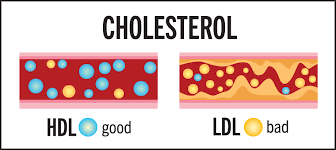
Pemeriksaan high density lipoprotein (HDL) merupakan pemeriksaan yang dilakukan untuk mengetahui kadar kolesterol HDL di dalam darah. Kolesterol HDL tersusun atas kolesterol, fosfolipid, dan protein, dihasilkan dan dilepaskan oleh organ hati dan saluran cerna usus. Kolesterol HDL merupakan kolesterol yang berperan untuk mengangkut kolesterol berlebih yang mengendap di pembuluh darah agar tidak terjadi penumpukan kolesterol, kemudian diangkut menuju hati untuk dimetabolisme lebih jauh, sehingga kolesterol HDL ini dikenal juga sebagai “kolesterol baik”.
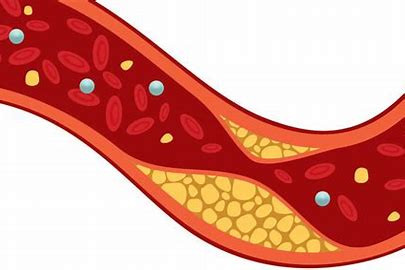
Nilai HDL yang tinggi erat kaitannya sebagai faktor pelindung dari kejadian penyakit jantung. Pemeriksaan HDL memiliki manfaat untuk menilai kemungkinan risiko kejadian perlemakan pada pembuluh darah (dikenal juga dengan istilah aterosklerosis) dan penyakit jantung koroner.
Indikasi
Pemeriksaan ini dilakukan pada kondisi sebagai berikut:
- Untuk membantu penegakkan diagnosis dislipidemia (peningkatan kadar kolesterol yang tinggi di dalam tubuh) atau sindrom metabolik (kumpulan gejala penyakit yang berkaitan dengan gangguan metabolisme tubuh)
- Untuk memantau hasil pengobatan dari penyakit dislipidemia atau sindrom metabolik
- Untuk penapisan atau screening dalam medical check up
- Untuk memastikan dan menilai faktor risiko penyakit jantung koroner
- Untuk screening atau penyaringan profil lemak yang diperiksa secara rutin
Kontraindikasi
Tidak ada kontraindikasi atau kondisi yang membuat seseorang tidak bisa melakukan pemeriksaan ini.
Persiapan Sebelum Pemeriksaan
Tidak ada persiapan khusus sebelum melakukan pemeriksaan HDL. Pemeriksaan ini bisa dilakukan dalam keadaan tidak berpuasa. Meskipun demikian, apabila nilai HDL diperlukan untuk menghitung nilai LDL, maka dianjurkan untuk melakukan pemeriksaan HDL dalam keadaan puasa. Hal ini disebabkan karena perhitungan nilai LDL nantinya akan membutuhkan nilai trigliserida. Nilai trigliserida memerlukan puasa untuk mendapatkan nilai yang sesuai dengan kondisi tubuh.
Biasanya pemeriksaan HDL dilakukan bersamaan dengan pemeriksaan kolesterol lainnya seperti trigliserida, LDL, dan kolesterol total sehingga untuk mempermudah Anda, maka dianjurkan untuk berpuasa terlebih dahulu (selama minimal 12 jam). Akan tetapi, perlu diketahui bahwa nilai HDL tidak begitu berpengaruh apabila sebelumnya melakukan puasa atau tidak.
Prosedur Pemeriksaan
Pemeriksaan HDL umumnya menggunakan sampel serum darah sebanyak 0,25 - 0,5 ml. Sampel serum darah ini diambil dari pembuluh darah vena dan akan dikumpulkan ke dalam tabung khusus. Petugas laboratorium akan memakai sarung tangan khusus dan APD (Alat Pelindung Diri) saat mengambil sampel pemeriksaan.
Sebelum mengambil darah, petugas akan memasang pita elastis dan membersihkan area penusukan jarum dengan kasa antiseptik. Biasanya petugas mengambil darah di area lipatan siku. Setelah darah diambil dan dimasukkan ke dalam tabung khusus, petugas akan melepas pita elastis yang terpasang, menekan dan membersihkan area penusukan dengan kasa antiseptik. Prosedur pemeriksaan ini hanya berlangsung selama beberapa menit saja. Sampel darah yang telah didapatkan akan diperiksakan menggunakan alat khusus di laboratorium, dan hasilnya bisa diketahui dalam beberapa jam kemudian.
Nilai Normal dan Abnormal
Rentang nilai normal HDL dibedakan berdasarkan usia dan jenis kelamin. Secara umum berikut rentang nilai normal dan abnormal pada hasil pemeriksaan HDL.
Berdasarkan panduan dari The National Lipid Association and the National Cholesterol Education Program (NCEP), pada orang dewasa dibedakan atas jenis kelamin, yaitu:
Pada laki-laki dewasa:
|
Nilai (mg/dL) |
Interpretasi |
|
<40 |
Rendah |
|
≥40 |
Tinggi |
Pada perempuan dewasa:
|
Nilai (mg/dL) |
Interpretasi |
|
<50 |
Rendah |
|
≥50 |
Tinggi |
Berdasarkan panduan dari Expert Panel on Integrated Guidelines for Cardiovascular Health and Risk Reduction in Children and Adolescents, pada anak-anak (2 – 17 tahun):
|
Nilai (mg/dL) |
Interpretasi |
|
<40 |
Rendah |
|
40 – 45 |
Sedikit Rendah (Borderline) |
|
>45 |
Tinggi |
Hasil dan Saran (Pemeriksaan Lanjutan)
Tinggi
Jika hasil pemeriksaan HDL Anda menunjukkan nilai tinggi, kemungkinan besar Anda telah menjalankan pola hidup sehat dengan baik. Nilai HDL yang tinggi erat dikaitkan dengan menurunkan risiko terjadinya penyakit jantung dan pembuluh darah.
Beberapa kondisi medis atau keadaan tertentu yang memiliki nilai HDL tinggi adalah hyperalphalipoproteinemia, rutin berolahraga atau aktivitas fisik, penyakit liver kronik, dan penurunan berat badan.
Meskipun demikian, nilai HDL sangat tinggi (>100 mg/dL) dihubungkan dengan meningkatkan risiko terjadinya penyakit jantung. Oleh karena itu, pemeriksaan HDL perlu dikonsultasikan lebih lanjut.
Pusat Pengendalian dan Pencegahan Penyakit Amerika Serikat (CDC) memberikan rekomendasi bagi orang dewasa sejak usia 20 tahun, pemeriksaan kolesterol rutin termasuk pemeriksaan HDL didalamnya dilakukan setiap 5 tahun sekali, karena pada usia ini lah kadar kolesterol total darah mulai meningkat dan kadar kolesterol HDL mulai menurun. Pada laki-laki yang telah berusia 45 – 65 tahun dan perempuan yang telah berusia 55 – 65 tahun disarankan untuk melakukan pemeriksaan HDL setiap tahun atau dua tahun sekali.
Rekomendasi umum yang didapat dari Medline Plus, disarankan bahwa pemeriksaan HDL pertama kali sebaiknya dilakukan saat usia 9 – 11 tahun kemudian melakukan pemeriksaan ulang setiap 5 tahun. Apabila pada anak memiliki risiko berupa adanya riwayat keluarga dengan nilai kolesterol darah yang tinggi, kejadian stroke atau serangan jantung, maka disarankan untuk memulai pemeriksaan HDL saat berusia 2 tahun.
Rendah
Jika hasil pemeriksaan HDL Anda menunjukkan nilai rendah, Anda perlu melakukan konsultasi lebih mendalam kepada dokter. Nilai HDL yang rendah erat kaitannya dengan kejadian penyakit jantung dan pembuluh darah, terutama penyakit jantung coroner. Selain itu, nilai HDL yang rendah biasanya terjadi pada sindrom metabolik (sekelompok kondisi medis yang didalamnya meliputi obesitas, tekanan darah yang tinggi/hipertensi, dan kadar gula darah yang tinggi).
Beberapa kondisi medis lain yang memiliki nilai HDL yang rendah adalah penyakit liver, penyakit ginjal kronis, gangguan malnutrisi, gaya hidup sedenter, merokok, atau sedang dalam terapi obat golongan beta blocker, diuretic, atau steroid.
Apabila Anda memiliki nilai HDL yang rendah, disarankan untuk menurunkan berat badan yang berlebih dan meningkatkan aktivitas fisik harian (minimal 30 menit tiap kali melakukan olahraga dalam waktu 3 – 5 hari per minggunya) sebab dapat meningkatkan nilai HDL. Selain itu, hindari makan makanan dengan kadar lemak yang tinggi (misalnya kue dan cookies), hindari merokok dan mengurangi atau menghindari minum minuman beralkohol. Hal-hal ini apabila dilakukan dapat membantu meningkatkan nilai HDL di dalam darah Anda.
Nilai HDL yang lebih rendah dari 5 mg/dL dapat terjadi pada penyakit Tangier, erat juga dihubungkan dengan kejadian penyakit liver atau gangguan pada fungsi sel liver.
Konsultasikan ke Dokter yang Tepat
Hasil pemeriksaan HDL pada orang dewasa dapat dikonsultasikan dengan dokter umum, untuk selanjutnya dilakukan pemeriksaan lanjutan ataupun memulai terapi untuk diagnosis yang sesuai. Anda juga dapat berkonsultasi dengan dokter jantung, dokter penyakit dalam atau konsultan Metabolik-Endokrinologi untuk berdiskusi mengenai masalah HDL Anda lebih jauh. Pada pasien anak, hasil pemeriksaan selain normal harus dikonsultasikan dengan dokter spesialis anak.
Mau tahu informasi seputar hasil pemeriksaan laboratorium, radiologi, dan lainnya? Cek di sini, ya!
- dr Nadia Opmalina

Aman AM, Soewondo P, Soelistijo SA, et al. Pedoman Pengelolaan Dislipidemia di Indonesia. PB Perkeni. 2019.
Mayo Clinic Labs. Cholesterol, HDL. 2022 April. https://www.mayocliniclabs.com/test-catalog/overview/8429#Clinical-and-Interpretive
Mayo Clinic. HDL cholesterol. 2020 November. https://www.mayoclinic.org/diseases-conditions/high-blood-cholesterol/in-depth/hdl-cholesterol/art-20046388
HDL Cholesterol. 2021 September. https://emedicine.medscape.com/article/2087757-overview
Medline Plus. HDL: The “Good” cholesterol. 2019 April. https://medlineplus.gov/hdlthegoodcholesterol.html
CDC. Cholesterol. 2022 April. https://www.cdc.gov/cholesterol/checked.htm
/6302127de0c5c.jpeg)