Definisi
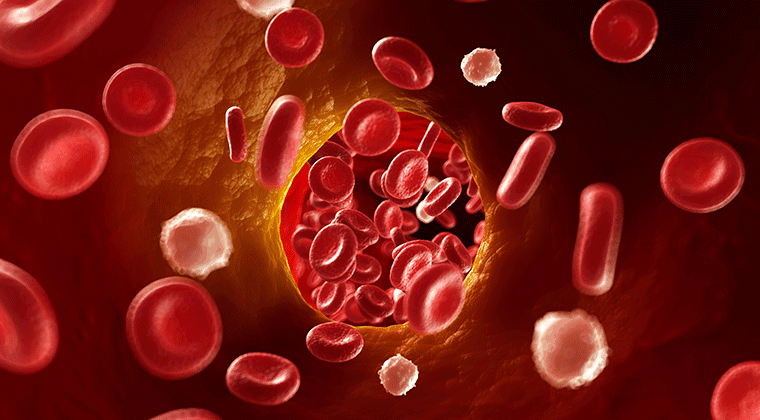
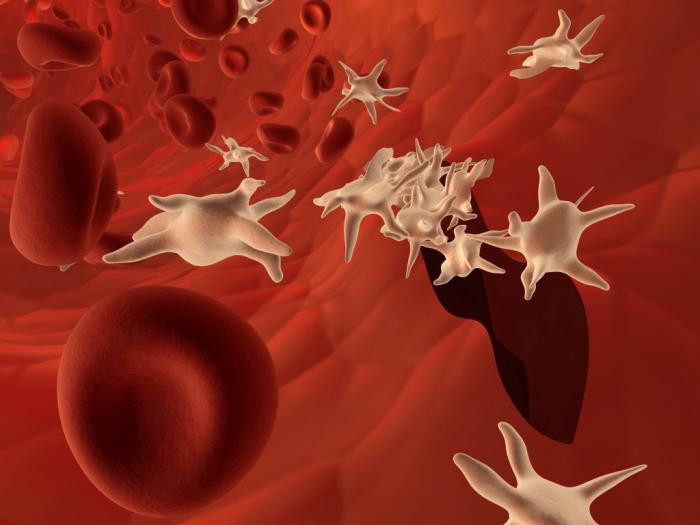
Pemeriksaaan trombosit merupakan pemeriksaan yang dilakukan untuk menghitung kadar trombosit (kepingan darah) di dalam darah. Trombosit merupakan kepingan darah yang memiliki ukuran lebih kecil dibandingkan dengan sel darah merah dan sel darah putih, berperan penting dalam proses pembekuan atau penggumpalan darah. Pembekuan atau penggumpalan darah merupakan proses yang membantu untuk menghentikan terjadinya perdarahan yang terus-menerus setelah tubuh mengalami luka. Trombosit akan bekerja sama dengan faktor pembekuan darah (protein di dalam darah) untuk membentuk semacam lem secara bersamaan agar darah dapat berhenti.
Kadar trombosit yang rendah di bawah rentang normal disebut sebagai trombositopenia. Kondisi medis ini dapat menyebabkan terjadinya perdarahan yang terus-menerus atau berlebihan setelah tubuh mengalami luka. Di sisi lain, kadar trombosit yang tinggi di atas rentang normal disebut sebagai trombositosis. Kondisi medis ini dapat menyebabkan penggumpalan atau pembekuan darah yeng berlebihan. Apabila trombositosis terjadi, maka kondisi ini dapat berpotensi berbahaya bagi tubuh karena aliran darah dapat terganggu oleh adanya gumpalan atau bekuan darah yang berlebihan di dalam pembuluh darah tubuh.
Pemeriksaan trombosit umumnya diajukan oleh dokter apabila Anda memiliki beberapa keluhan yang dicurigai mengarah ke kondisi trombositopenia atau trombositosis. Beberapa keluhan yang mengarah ke trombositopenia misalnya perdarahan yang berlebihan dan berlangsung lama setelah terkena luka, mimisan, gusi berdarah, bintik-bintik merah pada kulit, lama dan volume menstruasi yang berlebihan. Di sisi lain, beberapa keluhan yang mengarah ke trombositosis misalnya kesemutan pada area tangan dan kaki, sakit kepala, pusing, dan kelemahan bagian tubuh.
Pemeriksaan trombosit biasanya dilakukan untuk memantau atau menegakkan diagnosis suatu keadaan yang menyebabkan perdarahan yang berlebihan. Selain itu, pemeriksaan trombosit juga dilakukan apabila Anda akan melakukan proses operasi atau pembedahan yang rumit dan sedang mengonsumsi obat-obatan untuk mengurangi pembekuan darah di dalam tubuh. Pemeriksaan trombosit umumnya dilakukan bersamaan dengan pemeriksaan darah perifer lengkap atau hitung darah lengkap (seperti pemeriksaan leukosit, hematokrit, atau hemoglobin).
Indikasi
Pemeriksaan ini biasanya dikerjakan pada beberapa kondisi sebagai berikut, yaitu:
- Untuk membantu penegakkan diagnosis penyakit yang berkaitan dengan trombosit apabila memiliki keluhan dan tanda klinis yang dicurigai
- Untuk memantau kadar trombosit pada beberapa pasien yang sedang menjalani pengobatan penyakit tertentu
- Untuk penyaringan atau screening dalam pemeriksaan rutin (medical check up)
Kontraindikasi
Tidak ada kontraindikasi atau kondisi yang membuat seseorang tidak bisa melakukan pemeriksaan ini.
Persiapan Sebelum Pemeriksaan
Tidak ada persiapan khusus sebelum melakukan pemeriksaan trombosit. Pemeriksaan ini bisa dilakukan dalam keadaan tidak berpuasa. Meskipun demikian, Anda disarankan untuk melakukan konsultasi medis terlebih dahulu kepada dokter sebelum melakukan pemeriksaan trombosit sebab ada beberapa kondisi yang dapat menganggu hasil laboratorium sehingga tidak menggambarkan kondisi Anda yang sesungguhnya.
Prosedur Pemeriksaan
Pemeriksaan trombosit umumnya menggunakan sampel serum darah sebanyak 0,25 - 0,5 ml. Sampel serum darah ini diambil dari pembuluh darah vena dan akan dikumpulkan ke dalam tabung khusus. Petugas laboratorium akan memakai sarung tangan khusus dan APD (Alat Pelindung Diri) saat mengambil sampel pemeriksaan.
Sebelum mengambil darah, petugas akan memasang pita elastis dan membersihkan area penusukan jarum dengan kasa antiseptik. Biasanya petugas mengambil darah di area lipatan siku. Setelah darah diambil dan dimasukkan ke dalam tabung khusus, petugas akan melepas pita elastis yang terpasang, menekan dan membersihkan area penusukan dengan kasa antiseptik. Prosedur pemeriksaan ini hanya berlangsung selama beberapa menit saja. Sampel darah yang telah didapatkan akan diperiksakan menggunakan alat khusus di laboratorium, dan hasilnya bisa diketahui dalam beberapa jam kemudian.
Nilai Normal & Abnormal
Rentang nilai normal trombosit dibedakan berdasarkan usia dan jenis kelamin. Secara umum, berikut ini merupakan rentang nilai normal dan abnormal pada hasil pemeriksaan trombosit.
Pada laki-laki dewasa
|
Nilai (/mcL) |
Interpretasi |
|
<135.000 |
Rendah |
|
135.000 – 317.000 |
Normal |
|
>317.000 |
Tinggi |
Pada perempuan dewasa
|
Nilai (/mcL) |
Interpretasi |
|
<157.000 |
Rendah |
|
157.000 – 371.000 |
Normal |
|
>371.000 |
Tinggi |
Pada anak-anak
|
Nilai (/mcL) |
Interpretasi |
|
<206.000 |
Rendah |
|
206.000 – 403.000 |
Normal |
|
>403.000 |
Tinggi |
Pada bayi atau neonatus
|
Nilai (/mcL) |
Interpretasi |
|
<248.000 |
Rendah |
|
248.000 – 586.000 |
Normal |
|
>586.000 |
Tinggi |
Meskipun demikian, setiap laboratorium memiliki rentang nilai yang sedikit berbeda antara satu laboratorium dengan laboratorium lainnya sebab bergantung pada alat atau mesin yang digunakannya.
Hasil & Saran (pemeriksaan lanjutan)
Rendah
Jika hasil pemeriksaan trombosit Anda menunjukkan nilai rendah, sebaiknya Anda berkonsultasi dengan dokter. Kadar trombosit yang rendah dikenal juga dengan trombositopenia yang merupakan kondisi medis yang ditandai dengan jumlah trombosit yang tidak cukup sesuai kebutuhan di dalam tubuh. Nilai trombosit yang rendah dapat menjadi tanda infeksi, kanker, atau masalah kesehatan lainnya.
Ada beberapa kondisi medis yang dapat dicurigai apabila nilai trombosit rendah, misalnya infeksi virus (campak, hepatitis), kekurangan zat gizi vitamin B12, infeksi pada sumsum tulang, kanker darah (leukemia), penyakit liver, atau penyakit autoimun.
Meskipun nilai trombosit menunjukkan nilai yang rendah, Anda tidak disarankan untuk melakukan diagnosis medis sendiri sehingga perlu datang ke dokter untuk melakukan konsultasi dan pemeriksaan fisik apabila ada keluhan dan tanda tertentu.
Normal
Jika hasil pemeriksaan trombosit Anda menunjukkan nilai normal, kemungkinan besar Anda telah menjalankan pola hidup sehat dengan baik. Anda disarankan untuk tetap mempertahankan pola hidup sehat Anda saat ini sehingga dapat mencegah beberapa penyakit yang disebabkan oleh rendahnya atau tingginya kadar trombosit di dalam darah.
Tinggi
Jika hasil pemeriksaan trombosit Anda menunjukkan nilai tinggi, sebaiknya Anda berkonsultasi dengan dokter. Kemungkinan dokter akan menyarankan perubahan pola makan dan gaya hidup menjadi lebih sehat, atau bahkan juga memulai terapi obat untuk membantu menurunkan nilai trombosit Anda.
Kadar trombosit yang tinggi dikenal juga dengan trombositosis yang merupakan kondisi mendis yang ditandai dengan jumlah trombosit yang lebih dari kebutuhan di dalam tubuh. Nilai trombosit yang terlalu tinggi dapat menjadi faktor risiko terjadinya stroke.
Kondisi medis yang dapat menyebabkan terjadinya trombositosis adalah anemia, penyakit saluran cerna akibat radang, radang sendi akibat autoimun (rheumatoid arthritis), infeksi virus, atau bakteri, jenis kanker tertentu misalnya kanker paru atau kanker payudara.
Meskipun nilai trombosit menunjukkan nilai yang tinggi, Anda tidak disarankan untuk melakukan diagnosis medis sendiri sehingga perlu datang ke dokter untuk melakukan konsultasi dan pemeriksaan fisik apabila ada keluhan dan tanda tertentu.
Konsultasikan ke Dokter yang Tepat
Hasil pemeriksaan trombosit pada orang dewasa dapat dikonsultasikan dengan dokter umum, untuk selanjutnya dilakukan pemeriksaan lanjutan ataupun memulai terapi untuk diagnosis yang sesuai. Anda juga dapat berkonsultasi dengan dokter penyakit dalam atau konsultan hematologi-onkologi untuk berdiskusi mengenai masalah trombosit Anda lebih jauh. Pada pasien anak, hasil pemeriksaan selain normal harus dikonsultasikan dengan dokter spesialis anak.
- dr Nadia Opmalina

Mayo Clinic. Complete blood count (CBC). 2020 December. https://www.mayoclinic.org/tests-procedures/complete-blood-count/about/pac-20384919
Medline Plus. Platelet test. 2021 February. https://medlineplus.gov/lab-tests/platelet-tests/
Mayo Clinic Lab. Complete blood cell count. 2022 April. https://www.mayocliniclabs.com/test-catalog/overview/9109#Clinical-and-Interpretive
Cleveland Clinic. Platelet count. 2021 August. https://my.clevelandclinic.org/health/diagnostics/21782-platelet-count
Cleveland Clinic. Complete blood count. 2021 February. https://my.clevelandclinic.org/health/diagnostics/4053-complete-blood-count
/62d2542a6fbfe.jpg)