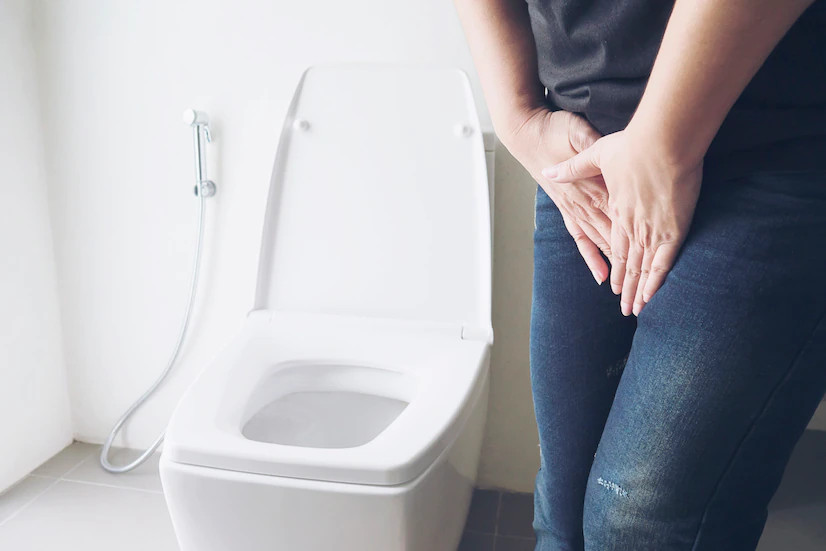
Diarrhea is a frequent issue that can affect anyone, regardless of age. When it occurs, the body loses essential fluids and electrolytes, which can increase the risk of dehydration. It's crucial to address diarrhea promptly to avoid more severe health complications.
One natural remedy that can assist in easing diarrhea is honey. Known for its numerous health advantages, honey has been used for a long time to help alleviate diarrhea.
How Can Honey Help Treat Diarrhea?
Honey aids in treating diarrhea for several reasons, such as:
Possesses Antibacterial Qualities
Honey is known for its potent antibacterial qualities, thanks to the hydrogen peroxide and flavonoids it contains. These substances can help prevent the growth of harmful bacteria responsible for diarrhea, thus reducing infections in the digestive system.
Calms the Digestive System
Honey's anti-inflammatory properties help soothe irritation and inflammation within the digestive system. Diarrhea often leads to heightened intestinal movement, causing cramps and discomfort. Consuming honey can reduce this irritation, resulting in fewer bowel movements and aiding the recovery process.
Replenishing Lost Electrolytes
Diarrhea can deplete the body of fluids and crucial electrolytes such as sodium, potassium, and magnesium. This electrolyte imbalance can lead to dehydration, particularly in young children and the elderly.
Honey contains minerals that can help restore lost electrolytes. Consuming honey during a bout of diarrhea helps to prevent dehydration while promoting proper hydration in the body.
Maintaining Healthy Gut Flora
Honey is rich in natural prebiotics that support the growth of beneficial bacteria in the gut. These beneficial microbes are essential for maintaining a balanced intestinal microbiome, which is crucial for digestion and nutrient absorption. A healthy gut flora can accelerate the resolution of diarrhea and help restore the digestive system to its optimal state.
How to Consume Honey During Diarrhea
To effectively use honey for diarrhea recovery, consider the following steps:
- Consume in moderation: Avoid consuming large quantities of honey at once. A simple mixture of 1-2 teaspoons of honey in warm water is sufficient.
- Opt for pure honey: Ensure that the honey you use is pure or organic. Honey with added sugars or other ingredients may exacerbate diarrhea.
- Combine with additional remedies: Honey can be paired with other helpful ingredients, such as zinc, to alleviate intestinal inflammation and promote faster recovery.
If diarrhea persists for more than 48 hours or is accompanied by severe dehydration symptoms, seek medical advice promptly. You can also use the consultation feature on the Ai Care app, available on both the App Store and Play Store.
Looking for information about nutrition, food and other diet tips? Click here!
- dr Hanifa Rahma
Jennifer Berry (2024). Health benefits of raw honey. Available from: https://www.medicalnewstoday.com/articles/324997
SaVanna Shoemaker, MS, RDN, LD (2024). Everything to Know About the Health Benefits of Honey. Available from: https://www.healthline.com/nutrition/benefits-of-honey
Abolfazl Mahyar, et all (2021). The Effect of Adding Honey to Zinc in the Treatment of Diarrhea in Children. Available from: https://pmc.ncbi.nlm.nih.gov/articles/PMC9136503/
Kirsten Nunez (2022). How to Prevent Dehydration from Diarrhea. Available from: https://www.healthline.com/health/diarrhea/dehydration-and-diarrhea
Medline Plus (2023). When you have diarrhea. Available from: https://medlineplus.gov/ency/patientinstructions/000121.htm
Kathleen R. Schell, et all (2022). The Potential of Honey as a Prebiotic Food to Re-engineer the Gut Microbiome Toward a Healthy State. Available from: https://pmc.ncbi.nlm.nih.gov/articles/PMC9367972/