Probiotics and prebiotics may sound similar, and both play an important role in maintaining digestive health. However, their meanings and benefits are actually quite different. Probiotics are specific strains of beneficial bacteria, while prebiotics are types of fiber that the body cannot digest. So, what exactly are probiotics and prebiotics, and how do they support human digestion? Here area further explanations for it.
The Difference Between Probiotics and Prebiotics
1. Probiotics
According to the Cleveland Clinic, probiotics are made up of beneficial bacteria and yeast that naturally live in your body. These good microbes are found in several organs, including the intestines, mouth, urinary tract, lungs, and skin.
In the intestines, probiotics help to protect you from harmful bacteria and keep your digestive system working properly. They support nutrient absorption and lower the risk of various infections. Probiotics in the digestive tract also play a role in strengthening the immune system and supporting your overall health.
2. Prebiotics
While probiotics are helpful bacteria and yeasts that support digestive system, prebiotics are plant-based food components that cannot be digested by the body and function as food for probiotic bacteria. The human digestive system does not have the enzymes needed to break down these fibers, so they pass into the lower digestive tract, where they meet and nourish probiotics.
For probiotics, the presence of prebiotic foods encourage microbial growth and help maintain a healthy microbiome. According to Very Well Fit, prebiotics help in forming important fatty acids for the cells in the colon. These fatty acids are then absorbed and carried through the bloodstream, where they may help reduce the risk of certain cardiovascular diseases.
Eating prebiotics not only supports digestive health, but also helps create a balanced environment in the gut. Prebiotics are also thought to help with mineral absorption, such as calcium, lower the risk of allergies, and support the body’s metabolic processes.
Food Sources of Probiotics and Prebiotics
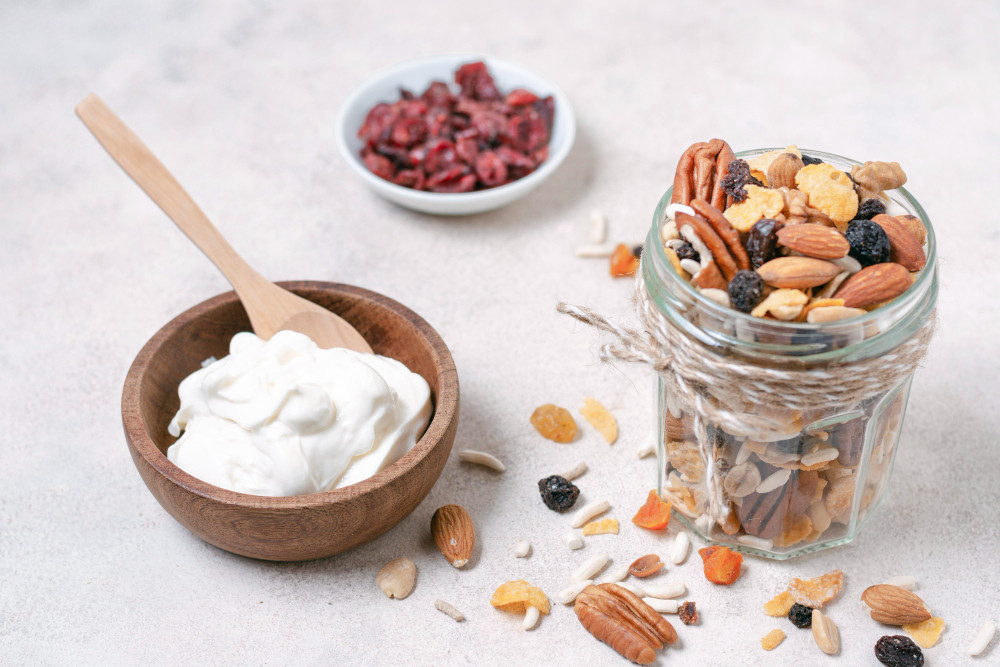
There are many available probiotic and prebiotic supplements today. Even so, the best sources of probiotics and prebiotics are often found in everyday foods. Probiotics are present in fermented foods and drinks that contain live beneficial bacteria. Some good sources of probiotics include yogurt, kefir, tempeh, miso, kimchi, and kombucha. Certain pickles and cheeses can also provide probiotics.
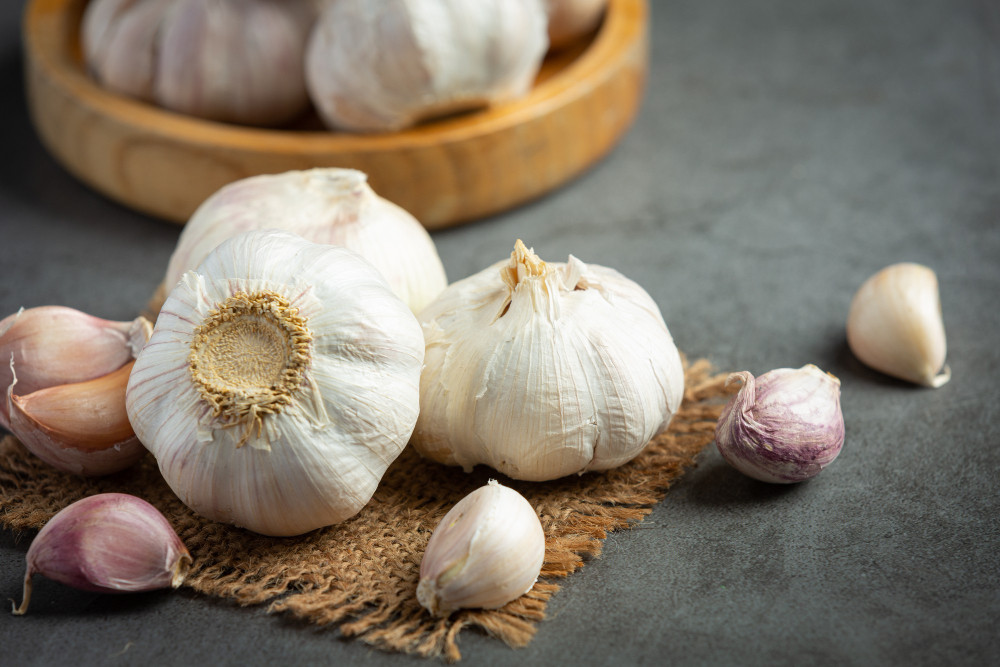
Prebiotic foods, on the other hand, are commonly found in vegetables, fruits, and grains. Examples of foods that contain prebiotics include apples, bananas, asparagus, leafy green vegetables, tomatoes, soybeans, garlic, onions, and seaweed.
How Much Probiotic and Prebiotic Food is Recommended?
There are currently no official guidelines on how much probiotic and prebiotic foods, beverages, or supplements that can be safely consumed each day. However, according to the CDC, probiotic and prebiotic products are not recommended to be taken at the same time. Some possible side effects of consuming them together include bloating, constipation, and a reduced appetite.
Both probiotics and prebiotics can support overall health. Even so, you should consult a nutritionist to determine how much you need, especially if you have allergies or sensitivities to any of the ingredients.
Looking for information about nutrition, food and other diet tips? Click here!
- dr Hanifa Rahma