Definition
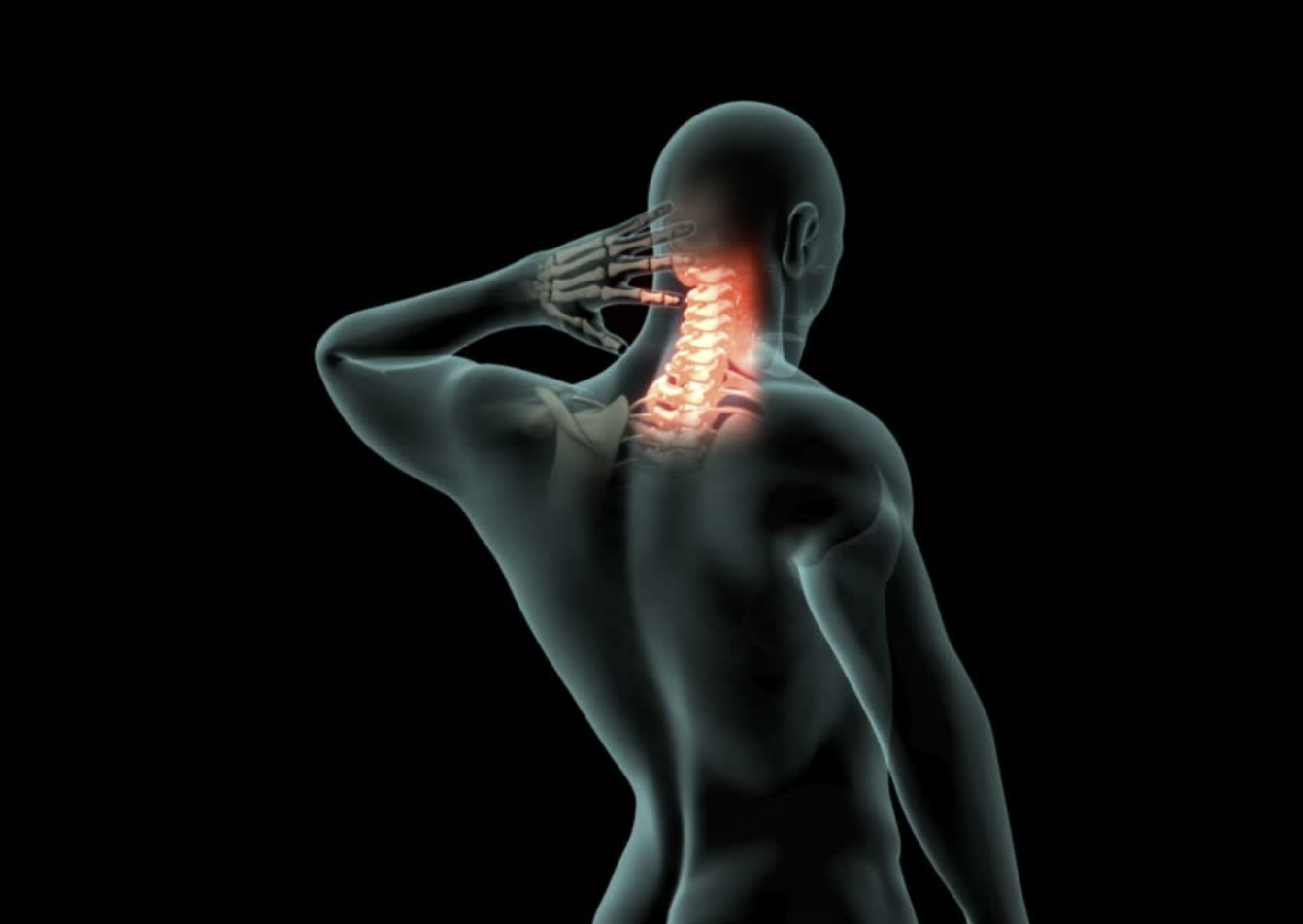
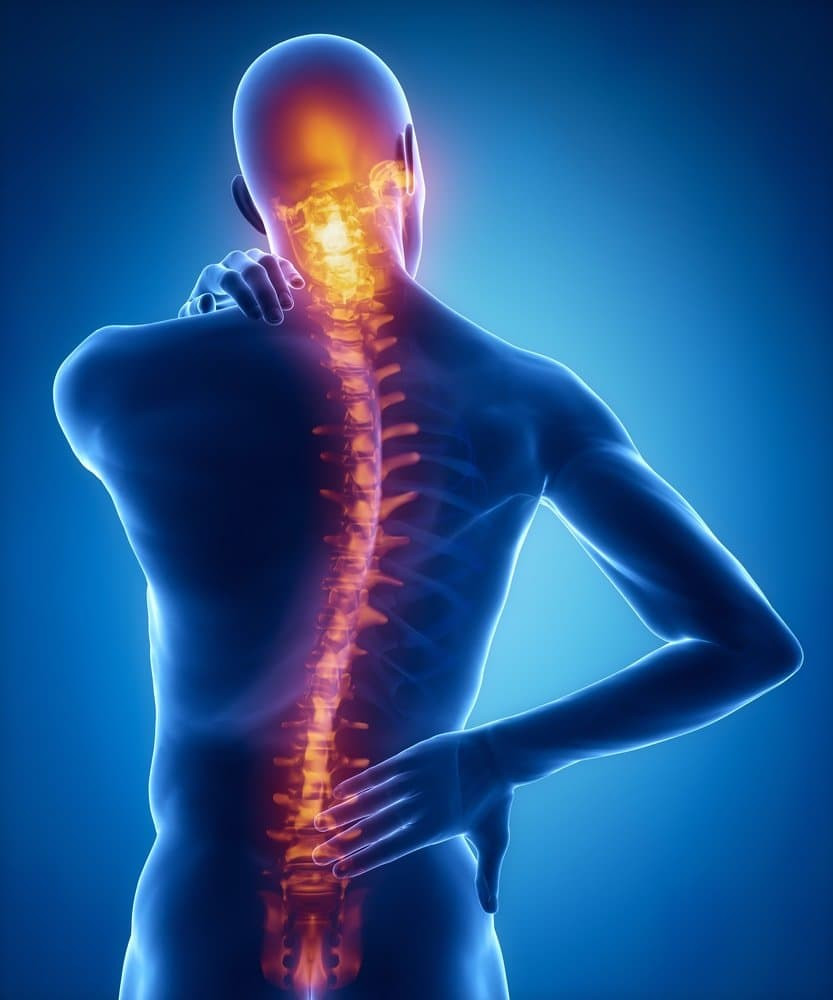
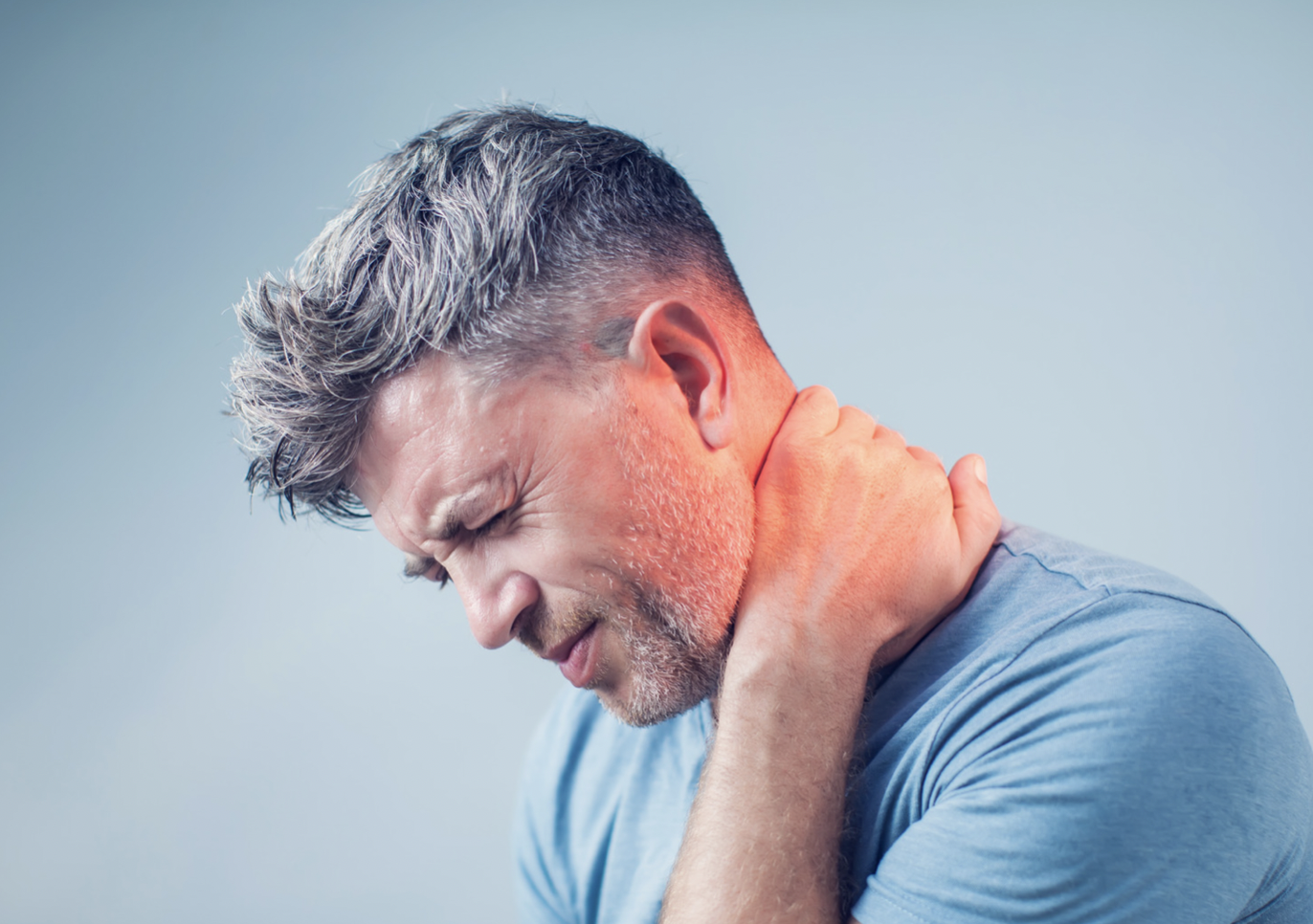
Cervicalgia is a term used to describe pain or discomfort in the neck, especially at the back or side. Another commonly used term is "lumbago," which refers to an uncomfortable sensation in the back.
Neck pain is a common complaint often resulting from poor posture, such as prolonged bending forward. Experts estimate that nearly everyone aged 65 experiences at least one episode of cervicalgia. Other data show that the prevalence of cervicalgia in humans is around 40-70%. Cervicalgia is more common in women than in men.
In certain conditions, neck pain can also be a symptom caused by a more serious infection. This occurs if neck pain is accompanied by loss of sensation in the hands and/or seizures or fever. If you experience this, consult a doctor immediately.
Causes
The neck is a flexible organ that supports the head. Therefore, the neck is at higher risk for injury or conditions that cause pain and limit its movement. These causes include:
- Strained muscles. Muscle strain is caused by poor posture for long periods, causing the neck muscles to balance the head and stretch continuously. This can result in neck pain.
- Stiff joints. Like joints in other organs, the joints in the neck can also experience osteoarthritis. Osteoarthritis is the wear and tear of the cushion between two bones. Osteoarthritis in the neck causes the bones to rub against each other and become painful when moving.
- Pinched nerves. A pinched nerve due to herniated nucleus pulposus (HNP) can cause pressure on the nerves exiting the spinal cord.
- Accidents. Traffic accidents can cause the head to move forward and backward suddenly and rapidly, which can trigger muscle strain and pain.
- Other diseases. Other diseases, such as rheumatoid arthritis, meningitis, or malignancies, can cause neck pain.
Risk Factor
Several risk factors can increase the risk of experiencing cervicalgia, including:
- Workspace-related. Poor workspace design can cause uncomfortable neck positions
- Using high pillows
- Psychosocial conditions can increase the risk of chronic cervicalgia, such as:
- Anxiety and depression
- Excessive worry about neck pain
- Poor acceptance of neck pain
- Other psychosocial problems, such as work and family problems
Symptoms
Symptoms of cervicalgia include:
- Pain aggravated by maintaining a certain neck posture for a while, such as when driving or working at a computer
- Pain triggered by neck movement
- A feeling of pressure and heaviness in the neck
- Difficulty moving the head
- Headache
- Ringing in the ears
Cervicalgia can feel severe and intense but usually occurs in the same place where it has previously appeared.
Diagnosis
The doctor will gather data about your illness by asking about your complaints, when they started, the progression of the disease, and what treatments have been done. The doctor will also ensure no other accompanying symptoms, such as fever, weakness in the arms or legs, and asymmetrical face, to rule out other possible causes of cervicalgia through a neurological (nerve) physical examination.
If necessary, the doctor will perform additional tests such as X-rays, CT scans, or MRIs to look for pinched nerves, small fractures, or surrounding tissue diseases.
Management
Cervicalgia generally responds well to simple home care within two to three weeks. If your neck pain persists without evidence of other diseases, you can pursue other treatment options, such as:
- Posture therapy, conducted with a trained therapist to correct body posture and neck alignment and strengthen neck muscles.
- Transcutaneous electrical nerve stimulation (TENS) by placing electrodes on the painful neck area.
- Traction with weights. This exercise should be done under professional supervision.
- Temporary immobilization. A neck collar can be used to help position your neck properly. Do not use a neck collar without consulting a doctor.
- Steroid injections. If necessary, the doctor will give a steroid injection at the nerve root to reduce pain.
- Surgery. In certain conditions that do not respond to the above treatments, surgery is needed to relieve nerve compression.
Self-care at Home
- Take pain relievers such as acetaminophen or ibuprofen, up to 3-4 tablets spaced 6-8 hours apart. Ensure you eat before taking ibuprofen.
- Use pain relief gel on your neck or a warm compress for 10 minutes. Ensure the compress is not too hot to avoid burning your skin.
- Improve your posture. Do not sit hunched over or with your chin too far forward, as this can trigger neck pain.
- Use a pillow that is not too high and firm.
- Continue your usual physical activities.
- Perform neck exercises. Do the following movements slowly. Repeat each movement 10 times every 1-2 hours. Do not rotate your neck, as it can cause persistent pain. You can take pain relievers before doing these exercises to make it more comfortable to move. These exercises include:
- Tilting your head up
- Moving your head down
- Turning your head to the right and left
- Rotating your shoulders and moving them up and down
Complications
Cervicalgia can improve within a few days with pain relievers and neck exercises, as mentioned above. However, in some conditions, cervicalgia can interfere with activities due to intermittent pain over some time.
Prevention
You can prevent cervicalgia by:
- Ensuring your head and body are at the same height while sleeping
- Using a mattress that is not too soft
- Sitting upright, relaxing your neck and back after working, and returning to sitting upright
- Avoid maintaining the same neck position for too long; move your neck occasionally
- Sleeping in a good position. Avoid sleeping on your stomach. Align your neck with your body
- Improving your workspace so the monitor is at eye level
- Stop smoking. Smoking can increase the risk of neck pain
When to See a Doctor?
Generally, neck pain or cervicalgia, can improve with home care. However, if neck pain persists for a long time, worsens, does not improve with pain relievers (paracetamol and ibuprofen), causes specific concerns, or is accompanied by other symptoms such as numbness or tingling and cold hands, see a healthcare professional immediately. These conditions may indicate a more severe disease.
Looking for more information about other diseases? Click here!
- dr. Alvidiani Agustina Damanik
Mayo Clinic Staff. (2020). Neck pain. MayoClinic. Available from: https://www.mayoclinic.org/diseases-conditions/neck-pain/diagnosis-treatment/drc-20375587
Asher A. (2021). Cervicalgia Symptoms and Treatment. VeryWellHeatlh. Available from: https://www.verywellhealth.com/cervicalgia-definition-296573
Tidy C, Knott L. (2021). Neck pain (cervicalgia) and Torticollis. Patient.info. Available from: https://patient.info/doctor/neck-pain-cervicalgia-and-torticollis
Villanueva JP. (2020). Neck pain. Clinica Universidad de Navarra. Available from: https://www.cun.es/en/diseases-treatments/diseases/cervical-pain
National Health Service. (2020). Neck pain. nhs.uk. Available from: https://www.nhs.uk/conditions/neck-pain-and-stiff-neck/