Definition
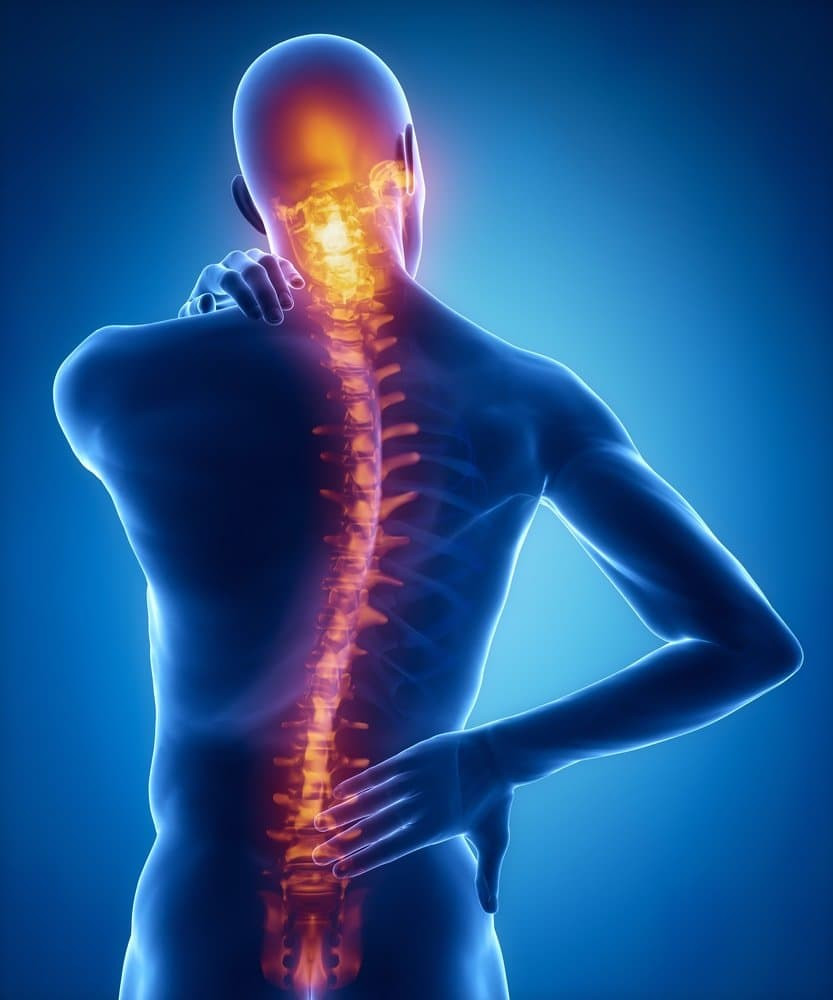
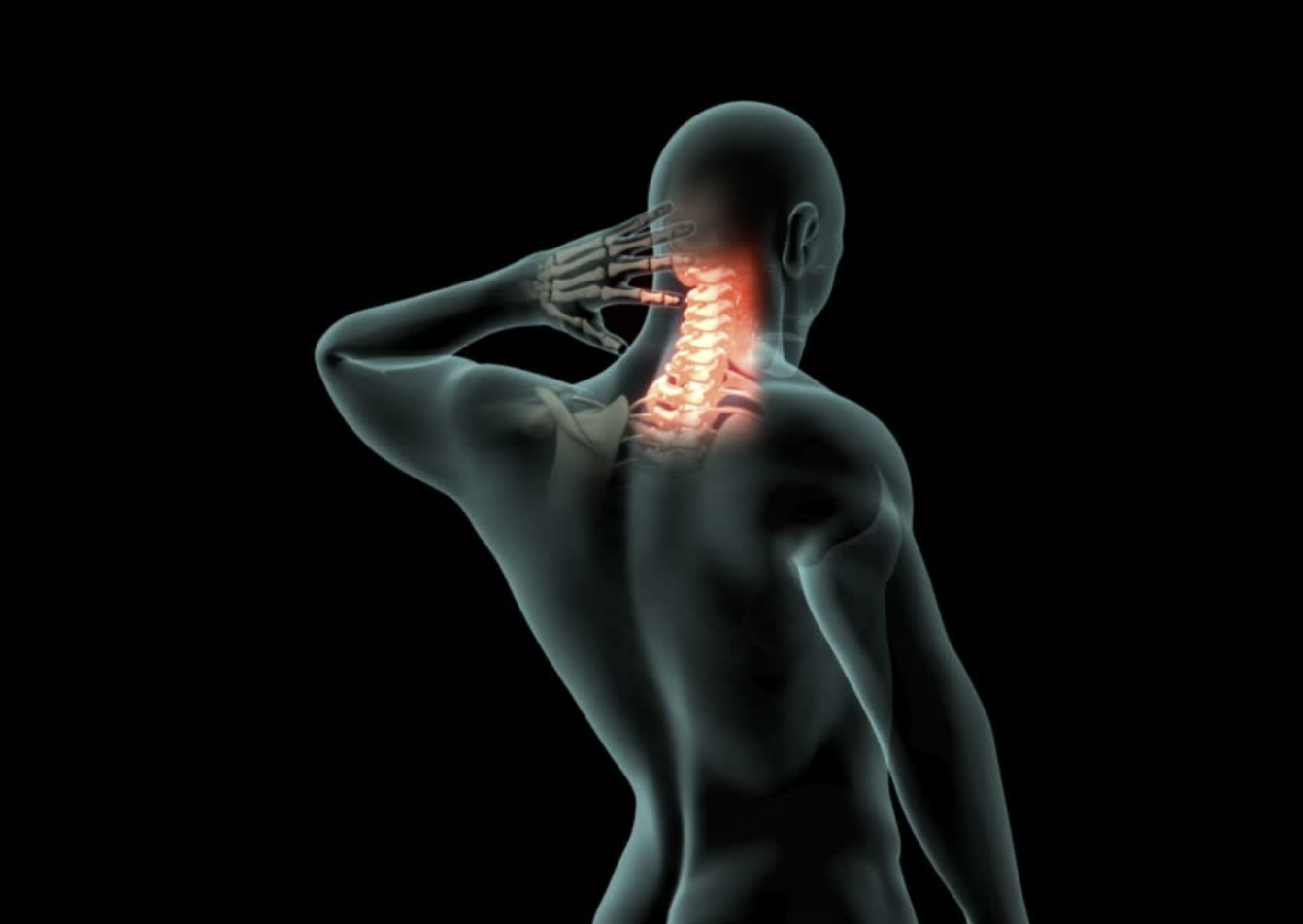
The spine is divided into three main regions: the cervical (neck), thoracic (chest), and lumbar (lower back). The cervical spine is made up of seven small bones (C1–C7) that are hollow at the center. This region helps support the bone marrow around the neck, which contains numerous nerve fibers connecting to the brain and the rest of the body. Damage to the bone marrow in the cervical spine can lead to movement disorders, paralysis, sensory impairments, and, if untreated, death.
A cervical fracture occurs when one or more vertebrae in the cervical spine break, often referred to as a "broken neck." Cervical fractures are serious and can lead to high rates of mortality and disability. About 56% of bone marrow injuries result from cervical fractures, highlighting the importance of careful and timely treatment.
Cervical bone marrow injuries result in 6,000 deaths and 5,000 cases of paralysis (quadriplegia) each year.
Causes
Cervical fractures occur when abnormal movement of the neck exceeds its range of motion. These movements can include hyperflexion (bending too far forward), hyperextension (arching the neck too far backward), and excessive rotation (twisting too much). These movements can cause the vertebrae in the neck to break and strain the surrounding ligaments or elastic tissues.
Cervical fractures are typically classified into three groups based on their location:
- C1 Fractures
These are usually caused by axial loading, which is a force applied from above and parallel to the neck’s axis.
- C2 Fractures
These occur due to a combination of compression (excessive pressure on the bone) and abnormal neck movement beyond its normal range.
- Subaxial Fractures (C3–C7)
These fractures often result from motor vehicle accidents. Approximately 17% of fractures occur at C7 or the junction of C7 and T1 (thoracic spine).
Cervical fractures can also be caused by medical conditions like osteoporosis, where bones become brittle and are more prone to breaking under weight. In such cases, the fractures tend to be compression fractures.
Risk Factor
Several factors increase the likelihood of developing a cervical fracture, including:
- Men are four times more likely to experience cervical fractures than women.
- Individuals aged 18–25 years are at a higher risk.
- Engaging in extreme sports or high-speed driving increases the risk.
- Not wearing helmets or seat belts when driving or playing sports can increase the likelihood of a cervical fracture.
- Older individuals are more susceptible to cervical fractures from even minor injuries.
Potential incidents that can cause cervical fractures include:
-
A soccer player trying to head the ball.
-
A gymnast landing improperly or hitting a support bar while performing a jump.
-
A diver hitting the bottom of a shallow pool during a dive.
-
A car accident where the driver’s head is thrown back suddenly.
Symptoms
The symptoms of cervical fractures can vary depending on the severity of the injury. In severe cases, the patient may be unconscious following the accident. Other possible symptoms include:
-
Pain at the site of the broken neck, which may be constant or accompanied by pressure.
-
Inability to move the affected area.
-
Balance issues.
-
Difficulty changing positions or getting out of bed.
-
Numbness and weakness in the arms or legs (even without trauma).
-
Respiratory problems (difficulty breathing).
Diagnosis
In the emergency room, the doctor will first ensure the patient’s airway and breathing are stable before proceeding with further examination. A neck collar will be applied to immobilize the neck, and a physical examination will be conducted to assess nerve function.
A cervical fracture will be assumed until imaging tests, such as an X-ray of the head and neck, are performed to confirm the presence or absence of injury. Additional tests, such as CT scans and MRIs, are often used to assess the extent and severity of the injury. Although laboratory tests can’t confirm a cervical fracture, they can help detect other issues like extensive blood loss or infection.
Once the immediate emergency is addressed, the doctor will inquire about the trauma mechanism, the nature of the incident, any protective equipment used, and the medications given.
Management
First Aid
It is essential to assume that anyone who has experienced an accident or fall has a neck injury or cervical fracture. Even conscious patients can be at risk. Signs of a cervical fracture include swelling and bruising in the neck area.
If a cervical fracture is suspected, the patient's neck should be immobilized immediately in the position in which they were found. This should be done until medical personnel arrive to prevent further injury.
Follow-up Treatment
The treatment for a cervical fracture depends on the location and severity of the injury. Mild compression fractures can typically be managed with a neck collar or brace for 6–8 weeks, allowing the bone to heal on its own. More complex fractures, however, may require surgery and repositioning of the bones. Spinal fusion, which involves fusing two vertebrae together, may be performed to stabilize the neck. This process can take a considerable amount of time for recovery.
During treatment, you may need to:
-
Be hospitalized until you are fully healed.
-
Use a ventilator to assist with breathing, especially if the injury is severe.
-
Take antibiotics or pain relievers to manage infection and alleviate pain.
-
Undergo medical rehabilitation exercises, which may last from several months to a few days.
Cervical fractures can result in severe nerve damage and paralysis, which can greatly affect your daily life, including your ability to work, engage socially, and manage family responsibilities. Your care team will likely include pain specialists, rehabilitation experts, and psychological support to aid in the healing process.
Complications
Several complications can arise from cervical fractures, including:
-
Spinal shock caused by damage to the bone marrow, which can lead to paralysis.
-
Neurogenic shock, an emergency condition in which pressure on the bone marrow also affects blood flow, causing circulatory issues.
-
Brown-Séquard syndrome, which leads to paralysis and loss of sensation (including vibration and temperature) on one side of the body.
-
Surgical wound infection.
-
Pneumonia and severe respiratory distress, often after prolonged treatment.
-
Shifting of the bone over time, even after successful treatment.
-
Paralysis.
-
Death in severe cases.
The patient's recovery largely depends on the severity of the trauma and any underlying health conditions. Older individuals may have a lower chance of nerve healing compared to younger people.
Prevention
Many causes of cervical fractures are preventable. Measures to reduce the incidence of sports-related cervical injuries have been effective. To help prevent cervical fractures, you can:
-
Always wear a seatbelt when driving or riding in a vehicle.
-
Avoid diving in shallow pools, and ensure children are supervised when learning to swim or dive.
-
Use personal protective equipment when engaging in extreme or risky sports, such as helmets, and follow safety guidelines like having a spotter.
-
Ensure a safe environment for elderly individuals by eliminating hazards like slippery floors and loose rugs. Small adjustments, such as using rug clips and installing safety devices in bathrooms, can reduce the risk of falls.
When to See a Doctor?
If you are involved in an accident or witness one, seek help immediately or take the victim to the nearest emergency room. Always suspect a cervical fracture in these situations and avoid moving the neck to prevent further damage. Keep the victim in the same position until medical help arrives.
If you experience neck pain, difficulty moving your neck, and have a history of trauma, consult a doctor as soon as possible.
Looking for more information about other diseases? Click here!
- dr Hanifa Rahma
Davenport, M. (2017). Cervical spine fracture evaluation clinical presentation. Medscape. Available from: https://emedicine.medscape.com/article/824380-clinical#b1
Forsthoefel, C. (2021). Cervical facet dislocation & fractures. Orthobullets. Available from: https://www.orthobullets.com/spine/2064/cervical-facet-dislocations-and-fractures
McMordie, J., Viswanathan, V., Gillis, C. Cervical Spine Fractures Overview. [Updated 2021 Jul 25]. In: StatPearls [Internet]. Treasure Island (FL): StatPearls Publishing; 2022 Jan-. Available from: https://www.ncbi.nlm.nih.gov/books/NBK448129/
Park, D. (2021). Cervical fracture (broken neck). Orthoinfo. Available from: https://orthoinfo.aaos.org/en/diseases--conditions/cervical-fracture-broken-neck/
Quinn, E. (2021). Cervical neck fractures causes and treatments. Verywellhealth. Available from: https://www.verywellhealth.com/cervical-neck-fractures-3119349
Spoonamore, M. Cervical spine fracture & dislocation. USC spine center. Available from: https://www.uscspine.com/conditions-treated/neck-disorders/cervical-spine-fractures-dislocations/
What is cervical spine fracture?. Trauma sciences. Available from: https://www.aftertrauma.org/diagnosis-and-treatment/neck-cervical-spine-fracture