
Definition
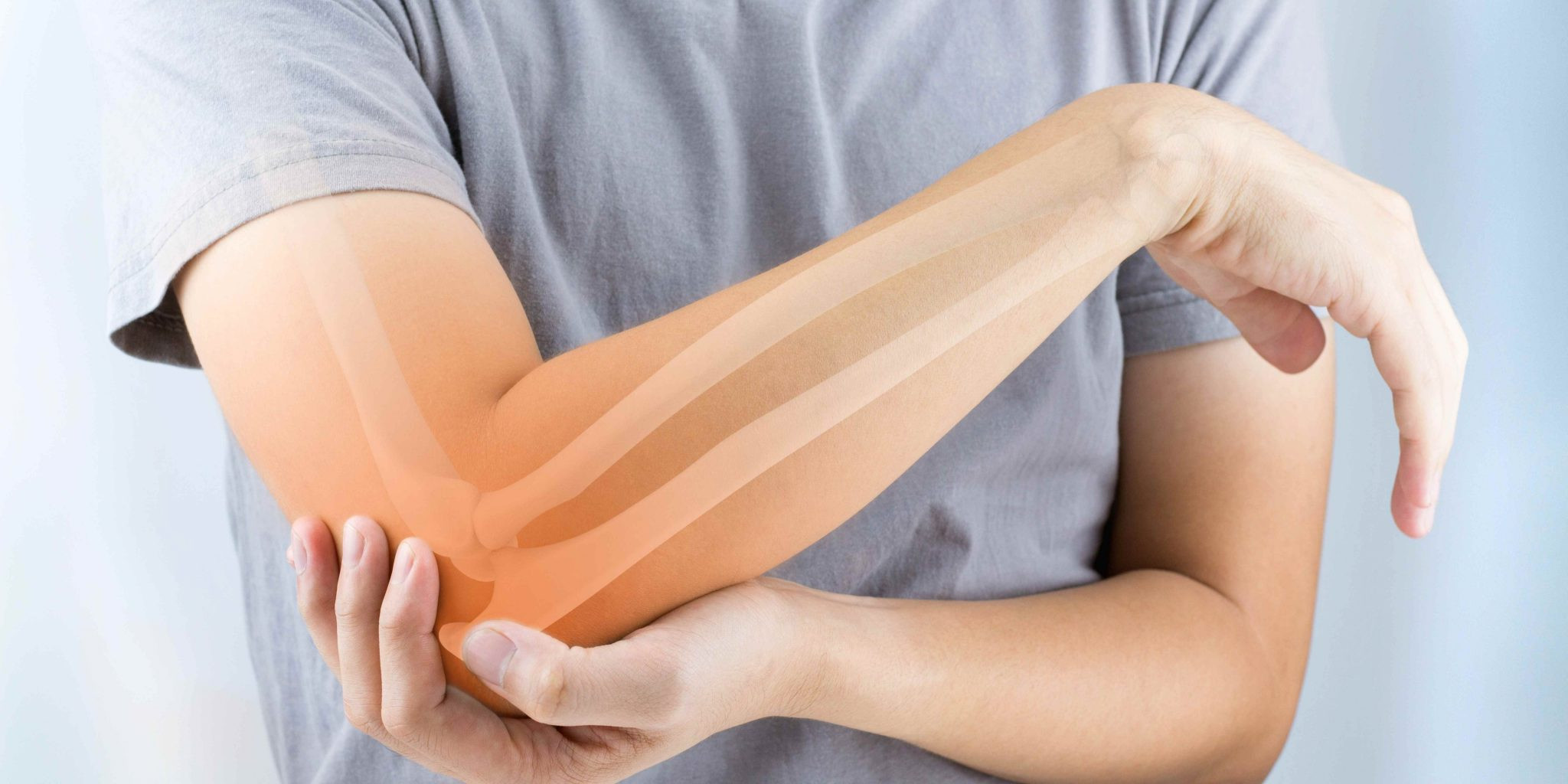
Tennis elbow, also known as lateral epicondylitis, refers to a small tear in the tendon of the elbow caused by overuse. Tendons are the structures that connect muscles to bones, and pain occurs when the tendons in the elbow become overloaded, typically due to repetitive wrist and arm movements. The discomfort often radiates to the forearm and wrist.
Although it is commonly associated with athletes, tennis elbow is not exclusive to them. People who perform repetitive hand and arm motions as part of their jobs, such as plumbers, painters, lumberjacks, and butchers, are also at risk for developing this condition.
Causes
Tennis elbow results from a muscle strain injury caused by repetitive use. As the elbow bends and straightens, the muscles rub against the bony prominence of the elbow. Over time, this repeated motion leads to wear and tear, inflammation, and small tears in the tendons near the lateral epicondyle, the bony area on the outside of the elbow.
While tennis elbow can be triggered by playing tennis, particularly from improper backhand stroke technique, other common causes include:
-
Using plumbing tools
-
Painting
-
Turning screws
-
Cutting food, especially meat
-
Repetitive use of a computer mouse
Risk Factor
Several factors can increase the likelihood of developing tennis elbow:
-
Age
Tennis elbow is most common in people aged 30 to 50 years, though it can occur at any age. -
Occupational Factors
People whose jobs involve repetitive wrist and arm movements are at a higher risk. Professions such as plumbing, painting, carpentry, butchering, and cooking can increase the chances of developing this condition. -
Sports Participation
Racquet sports, particularly when the stroke technique is incorrect, are a significant risk factor for tennis elbow.
Symptoms
The symptoms of tennis elbow tend to develop gradually over time. Initially, the pain is usually mild but may intensify over several weeks or months. Often, there is no specific injury that triggers these symptoms. Common signs and symptoms of tennis elbow include:
-
Pain or a burning sensation on the outside of the elbow that can radiate down the forearm.
-
Pain when rotating the arm or during the night.
-
A weakened grip.
-
Difficulty fully straightening the arm.
These symptoms are typically aggravated by activities involving the forearm, such as gripping a tennis racket, turning a wrench, or shaking hands. While it most often affects the dominant hand, tennis elbow can occur in both arms. This condition can make it challenging to perform everyday tasks, such as turning doorknobs or holding a coffee cup.
Diagnosis
When diagnosing tennis elbow, the doctor will consider several factors, such as the progression of your symptoms, any occupational risks, and whether you participate in certain sports. They may also inquire about activities that exacerbate the pain and where it is located. If you’ve previously injured your elbow, it’s important to inform your doctor. Additionally, if you have a history of rheumatoid arthritis or nerve diseases, you should share this information as well.
During the physical examination, the doctor may conduct various tests to confirm the diagnosis. For instance, they may ask you to extend your wrist and fingers while applying downward pressure to check for pain. If this test causes discomfort, it suggests a problem with the muscles around your elbow.
To rule out other potential conditions, the doctor might recommend further tests, such as:
- X-ray
X-rays provide a detailed view of the bones and are typically used to rule out arthritis.
- Magnetic Resonance Imaging (MRI)
An MRI offers images of soft tissues, such as muscles and tendons, and can help assess the extent of tendon damage or identify other injuries. If the doctor suspects a neck problem might be contributing to your symptoms, they may order a neck MRI to check for nerve entrapment or changes in the cervical vertebrae, which could also cause arm pain.
- Electromyography (EMG)
This test records the electrical activity of muscles and nerve endings. Since many nerves pass through the elbow, an EMG can help rule out nerve compression, which may cause symptoms similar to tennis elbow.
Management
The majority of people with tennis elbow (around 80-95%) recover without the need for surgery. Non-surgical treatment options include:
- Rest
The first step in recovery is to rest the affected arm. This means avoiding activities that could worsen the symptoms, such as sports and strenuous movements, for several weeks.
- Medications
Over-the-counter pain relievers, such as paracetamol, or nonsteroidal anti-inflammatory drugs (NSAIDs) like ibuprofen or naproxen, can help reduce pain and swelling. In some cases, corticosteroid injections (such as cortisone) are used to provide more effective pain relief.
- Physical Therapy
Specific exercises can help strengthen the forearm muscles and improve flexibility. A physical therapist might also use ultrasound therapy, ice massage, or muscle stimulation techniques to promote healing.
- Brace
Wearing a brace on the back of the forearm can help alleviate symptoms by reducing the strain on the muscles and tendons. This allows the muscles to rest and recover.
- Check Your Equipment
If you play racquet sports, your doctor may advise checking your equipment. For instance, using a stiffer or looser racket can reduce stress on your forearm, allowing it to work less. If you’re using a racket that is too large, switching to a smaller one could help prevent the condition from recurring.
Surgery
If your tennis elbow symptoms do not improve after 6 to 12 months of conservative treatment, your doctor may recommend surgery. The goal of tennis elbow surgery is typically to remove the damaged muscle tissue and reattach the affected tendon to the bone.
The type of surgery performed depends on several factors, including the extent of the injury, your general health, and your specific needs. It is important to discuss the options with your doctor to determine the best approach and be aware of potential risks or complications.
Surgical approaches:
- Open Surgery
This is the most common method used to repair tennis elbow. It involves making an incision above the elbow, allowing the surgeon to access and repair the damaged tissue. This procedure is generally quick, and in most cases, you won’t need to stay in the hospital after the surgery.
- Arthroscopic Surgery
Another option is arthroscopic surgery, where the surgeon uses small instruments and makes tiny incisions to perform the repair. This minimally invasive approach usually also does not require a hospital stay.
Complications
Serious complications from tennis elbow surgery are rare. Typically, the condition resolves within 6 months to 2 years, with around 90% of cases improving within a year. However, surgery may be necessary if symptoms persist.
Prevention
Preventing tennis elbow can be challenging, especially when the condition is work-related. To avoid worsening symptoms, it's essential to refrain from overexerting your affected arm. For those whose tennis elbow is linked to sports, particularly tennis, adjusting your technique can help improve symptoms and reduce the strain on your elbow.
When to See a Doctor?
Consult a doctor if non-surgical treatments such as rest, ice, and over-the-counter pain relievers do not relieve your symptoms. Tennis elbow can mimic other conditions related to bone or nerve injuries in the arm or neck. Seeking prompt medical advice will help ensure timely treatment and prevent the condition from worsening.
Looking for more information about other diseases? Click here!
- dr Hanifa Rahma
Alaia, M., & Fischer, S. (2020). Tennis Elbow (Lateral Epicondylitis) - OrthoInfo - AAOS. Orthoinfo.aaos.org. Retrieved 30 September 2022, from https://orthoinfo.aaos.org/en/diseases--conditions/tennis-elbow-lateral-epicondylitis/.
Tennis elbow - Symptoms and causes. Mayo Clinic. (2021). Retrieved 30 September 2022, from https://www.mayoclinic.org/diseases-conditions/tennis-elbow/symptoms-causes/syc-20351987.
Tennis elbow. nhs.uk. (2020). Retrieved 30 September 2022, from https://www.nhs.uk/conditions/tennis-elbow/.

/62c7b14af1315.jpg)