
Definition
Pseudogout, also known as calcium pyrophosphate deposition disease (CPPD), is a type of arthritis caused by the accumulation of calcium pyrophosphate crystals in the joints. It is called pseudogout because its symptoms are similar to gout, another form of arthritis caused by the buildup of uric acid crystals in the joints.
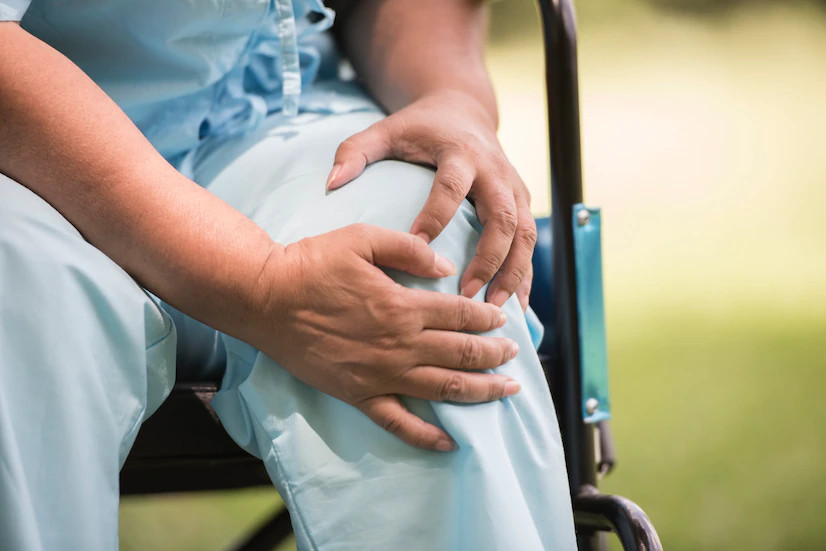
Pseudogout typically affects the knees and wrists. However, calcium pyrophosphate crystals can occasionally accumulate in other joints, such as the hips, shoulders, elbows, knuckles, or ankles, causing discomfort. This discomfort can lead to limited mobility for those affected.
Causes
This condition is caused by the deposition or buildup of calcium pyrophosphate crystals in the synovial tissue, which nourishes the joint surfaces and spaces between joints.
This buildup occurs due to an imbalance in pyrophosphate production in response to various defects in the affected cartilage. Pyrophosphate is a metabolic byproduct of cartilage cells. Its deposits in the joints and surrounding tissues eventually combine with calcium and accumulate.
The accumulation of calcium pyrophosphate is believed to activate the immune system, causing inflammation and further soft tissue injury. However, the exact mechanism behind this buildup in cartilage and joints remains unclear.
Some theories suggest that this condition is linked to hereditary factors. It is believed that an abnormal pyrophosphate production process can be passed from parent to child in an autosomal dominant pattern, meaning one copy of the mutated gene from a parent is enough to cause the condition in the child. Children have a 50% chance of inheriting the mutated gene from an affected parent.
Risk Factor
Underlying Medical Conditions
Pseudogout frequently occurs in individuals with hyperparathyroidism (excess parathyroid hormone). Although the exact mechanism is unknown, it is thought to be related to excess calcium and phosphate production mediated by the parathyroid hormone. This hormone controls blood calcium levels, and an excess can lead to increased calcium production, potentially triggering the formation of calcium deposits in bones or joint spaces.
Other conditions that increase the risk of pseudogout include:
- Gout, a form of arthritis caused by the buildup of uric acid crystals
- Osteoarthritis, a condition that affects multiple joint tissues due to inflammation
- Rheumatoid arthritis, an inflammation of the joints and surrounding bones caused by an autoimmune response against healthy joint cells
- Hypomagnesemia, a condition in which magnesium levels in the blood are lower than normal
- Osteoporosis
- Chronic kidney disease
- Excess calcium supplementation
Advanced Age
The risk of pseudogout increases with age. Most patients experiencing crystal buildup in their joints are over 65 years old. Studies have shown that between 30% and 50% of patients over the age of 85 experience this condition. CPPD or pseudogout is rare in individuals under 60 years of age and is often associated with degenerative diseases such as osteoporosis in older adults.
Joint Trauma
A history of joint injury or abnormalities after surgery can increase the risk of pseudogout. In areas with inflammation, the risk of calcium pyrophosphate crystals forming in the cartilage may increase.
Genetic Abnormalities
Some studies link pseudogout to genetic abnormalities, with the condition sometimes inherited from affected parents. This is more commonly seen in younger patients diagnosed with pseudogout.
Mineral Imbalances
Pseudogout results from calcium buildup in cartilage and joints. Individuals with excess calcium or iron in their bodies, either due to certain medical conditions or over-supplementation, are at risk of developing this condition. On the other hand, those with insufficient levels of other minerals like magnesium may experience elevated calcium levels in the blood, which could contribute to the development of pseudogout. Imbalanced mineral levels in the body can increase the risk of this disease.
Symptoms
Patients experiencing acute arthritis attacks due to calcium pyrophosphate buildup may present with symptoms similar to acute gouty arthritis caused by uric acid accumulation, such as:
- Joint swelling
- Redness around the affected joint area
- Joint pain
Up to 50% of pseudogout patients may also experience chills. The most commonly affected joint is the knee, followed by the hips and shoulders. Some patients may also experience acute symptoms after a joint injury.
Patients with long-standing pseudogout often report mild joint pain. This pain may be felt in joints that do not bear weight, such as the wrists and finger joints.
Diagnosis
Diagnosing pseudogout involves a combination of medical history, physical examination, and diagnostic tests. Informing your doctor of any underlying conditions, such as hyperparathyroidism or other risk factors is essential. The doctor will ask about your symptoms and examine the affected joints.
To confirm the diagnosis, joint fluid may be collected from the inflamed joint and analyzed. This procedure is called arthrocentesis or joint fluid aspiration. Additionally, imaging tests including:
- CT scans or X-rays of the affected joint
- Ultrasound of the cartilage
- MRI to evaluate the extent of calcium crystal buildup in the cartilage and joints may be used
Management
Currently, there is no specific treatment that directly targets calcium pyrophosphate crystal buildup. Treatment focuses on reducing inflammation and stabilizing underlying metabolic conditions, such as hyperparathyroidism. In patients with acute inflammation affecting 1-2 joints, joint fluid aspiration may be performed to reduce joint pressure and relieve pain. Corticosteroids such as betamethasone or dexamethasone can also be injected into the joint to reduce inflammation.
For patients with acute inflammation affecting three or more joints, systemic treatment (functions throughout the body) is usually provided with nonsteroidal anti-inflammatory drugs (NSAIDs).
At home, you can apply cold compresses to the affected joint, rest, and limit movement to reduce inflammation.
Complications
Calcium pyrophosphate crystals can trigger inflammatory responses. One potential complication is the calcification of cartilage (chondrocalcinosis). In rare cases, patients may develop palpable, hard nodules in the joint tissue due to calcium crystal accumulation, which can lead to joint deformity.
Prevention
Preventing pseudogout primarily involves managing modifiable risk factors. If you have a history of hyperparathyroidism, maintaining regular treatment can help prevent conditions associated with calcium imbalances, including pseudogout. A balanced diet that ensures sufficient intake of essential minerals, such as calcium and magnesium, is also recommended
When to See a Doctor?
Acute symptoms, such as joint pain caused by calcium phosphate crystal buildup, can significantly disrupt daily life. If you experience these symptoms, seek medical attention for appropriate treatment.
Looking for more information about other diseases? Click here!
- dr. Alvidiani Agustina Damanik
Zamora, E., & Naik, R. (2022). Calcium Pyrophosphate Deposition Disease. Retrieved 20 August 2022, from https://www.ncbi.nlm.nih.gov/books/NBK540151/
Pseudogout (CPPD): What Is It, Causes, & Treatment. (2022). Retrieved 20 August 2022, from https://my.clevelandclinic.org/health/diseases/4756-calcium-pyrophosphate-dihydrate-deposition-disease-cppd-or-pseudogout
Calcium Pyrophosphate Deposition (CPPD). (2022). Retrieved 20 August 2022, from https://www.rheumatology.org/I-Am-A/Patient-Caregiver/Diseases-Conditions/Calcium-Pyrophosphate-Deposition-CPPD
/669f34947bb6a.jpg)