Definition
Muscle spasms or cramps are involuntary, continuous, and localized muscle contractions. Muscle spasms often appear as twitching, stiffness, or sudden pain, commonly referred to as muscle cramps.
Causes
often occur during intense physical activity. In these situations, excessive sweating and loss of electrolytes (such as calcium, magnesium, and other minerals) are believed to be underlying mechanisms causing the muscle spasms.
In addition to electrolyte or mineral imbalances, muscle spasms can also be associated with nerve disorders, such as multiple sclerosis.
Read more about multiple sclerosis at the following link: Multiple Sclerosis—Definition, Causes, Symptoms, and Treatment.
Other medical conditions, such as hyperthyroidism (overactive thyroid), may also increase the risk of muscle spasms.
Nighttime muscle spasms may be influenced by anxiety and stress, which can cause muscle tension and pain, resulting in sudden muscle twitching.
Another common trigger of muscle spasms is excessive caffeine consumption.
Risk Factor
Several factors can increase the risk of muscle spasms, including:
- Age (over 65 years)
- Pregnancy, particularly in the third trimester
- Athletes engaging in excessive physical activity
- Extreme heat
- Certain medical conditions, such as multiple sclerosis
- Psychological stress and high levels of anxiety
- Use of medications such as diuretics, statins, or beta-agonists
- Excessive caffeine intake
- Obesity
Symptoms
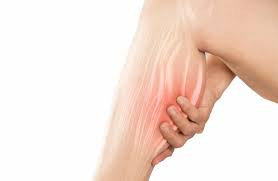
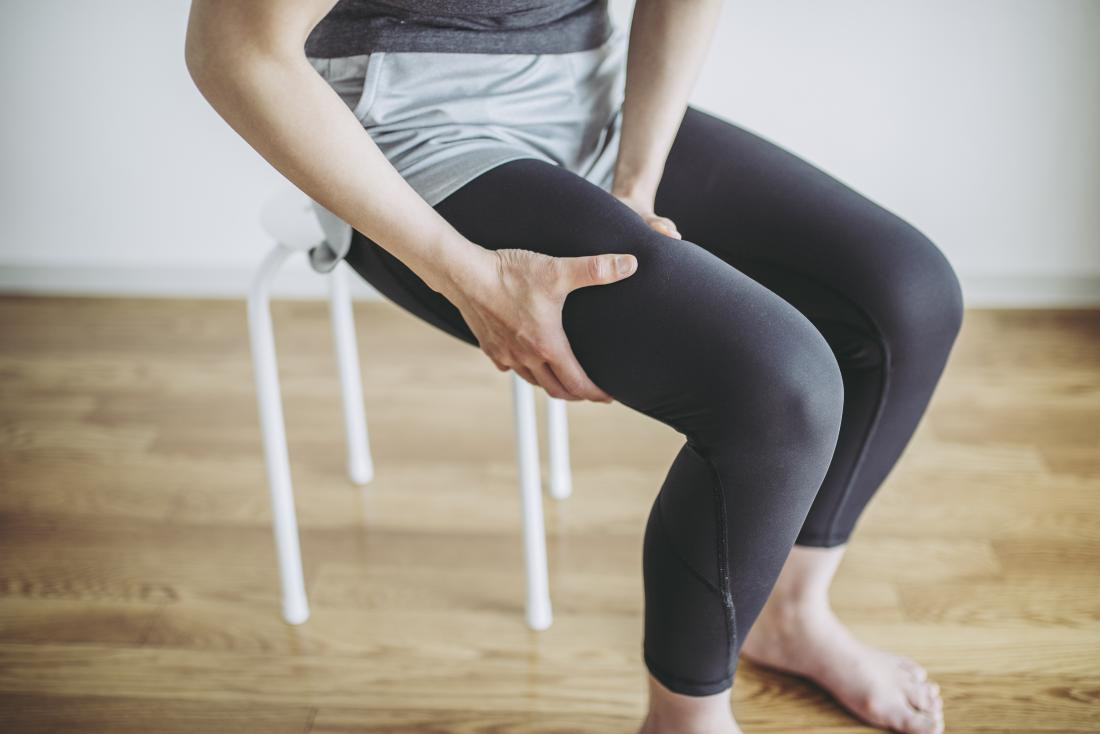
Typical symptoms of muscle spasms include sharp, sudden pain in the muscles, especially in the legs, such as the calves, gastrocnemius, and triceps surae muscles. Additionally, you may feel a sensation of muscle contractions like lumps moving under the skin.
Leg muscle spasms can occur during the day but are most common at night. As a result, patients often report insomnia or sleep disturbances due to muscle cramps.
Other symptoms of muscle spasms may include:
- Stiff muscles, possibly affecting the joints
- Involuntary jerking or twitching movements
- Hyperactive reflexes
- Difficulty moving
Diagnosis
The diagnosis of muscle spasms is based on the symptoms experienced and the underlying cause. Patients should provide a detailed account of the onset and triggers of the spasms, helping the doctor determine the most appropriate tests.
If the spasms are suspected to be caused by an electrolyte imbalance, blood tests for electrolyte levels may be conducted. Other diagnostic tools may include Electromyography (EMG), CT scans, or MRI.
Complications
If muscle spasms are due to an electrolyte imbalance, they can potentially lead to heart electrical disturbances. However, the general complication of muscle spasms is the impact on quality of life, particularly if they occur frequently at night.
Nighttime muscle spasms can result in sleep disturbances, and for athletes, they may affect physical performance.
Management
Some first-aid steps you can take at home or right after experiencing muscle spasms include:
- Stretching: Gently stretch the muscle experiencing the cramp.
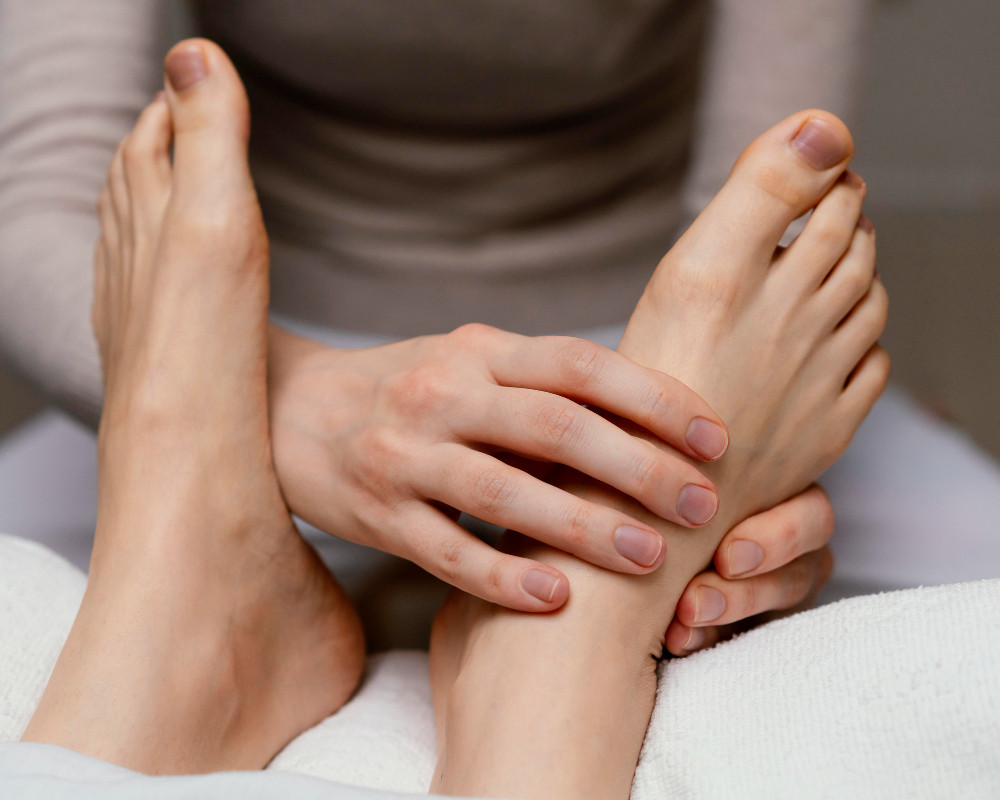
- Massage: Lightly massage the cramped muscle to relieve the pain. However, it should be done slowly and carefully to avoid worsening the spasm.
- Cold compress: Use an ice pack or cold towel on the affected muscle for 15-20 minutes, repeating as needed throughout the day.
- Hydration: Drink more water or electrolyte fluids such as oral rehydration solutions. Staying hydrated is particularly important during physical activity or in hot weather. Drink at least 8 glasses of water daily.
- Topical medications: Over-the-counter pain-relieving creams, especially those containing menthol, can help alleviate muscle spasms.
Prevention
Preventing muscle spasms involves addressing the underlying causes. Before engaging in physical activities, do proper stretching and ensure adequate hydration by drinking enough water. Athletes, in particular, should allow for rest between training sessions to give the muscles time to recover.
A healthy lifestyle, including a balanced diet and adequate rest, is essential in preventing muscle spasms and other health conditions.
When to See a Doctor?
If the above first-aid measures are ineffective or if the pain and other symptoms of muscle spasms become severe or disruptive, you should seek medical attention. Consult a general practitioner to receive appropriate treatment.
Looking for more information about other diseases? Click here!
- dr. Alvidiani Agustina Damanik
Bordoni B, Sugumar K, Varacallo M. Muscle Cramps. Available from: https://www.ncbi.nlm.nih.gov/books/NBK499895/
Cleveland Clinic. Muscle Spasm. Available from: https://my.clevelandclinic.org/health/diseases/15466-muscle-spasms
Miller TM, Layzer RB. Muscle Cramps. Available from: https://pubmed.ncbi.nlm.nih.gov/15902691/