Definition
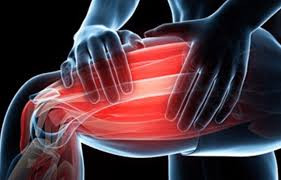
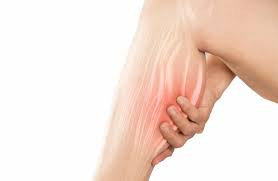
Muscle cramps are painful, sudden, and involuntary contractions or tightening of muscles. Muscle cramps are a normal and very common condition in daily life, especially among active individuals. They can affect one muscle, part of a muscle, or a group of muscles.
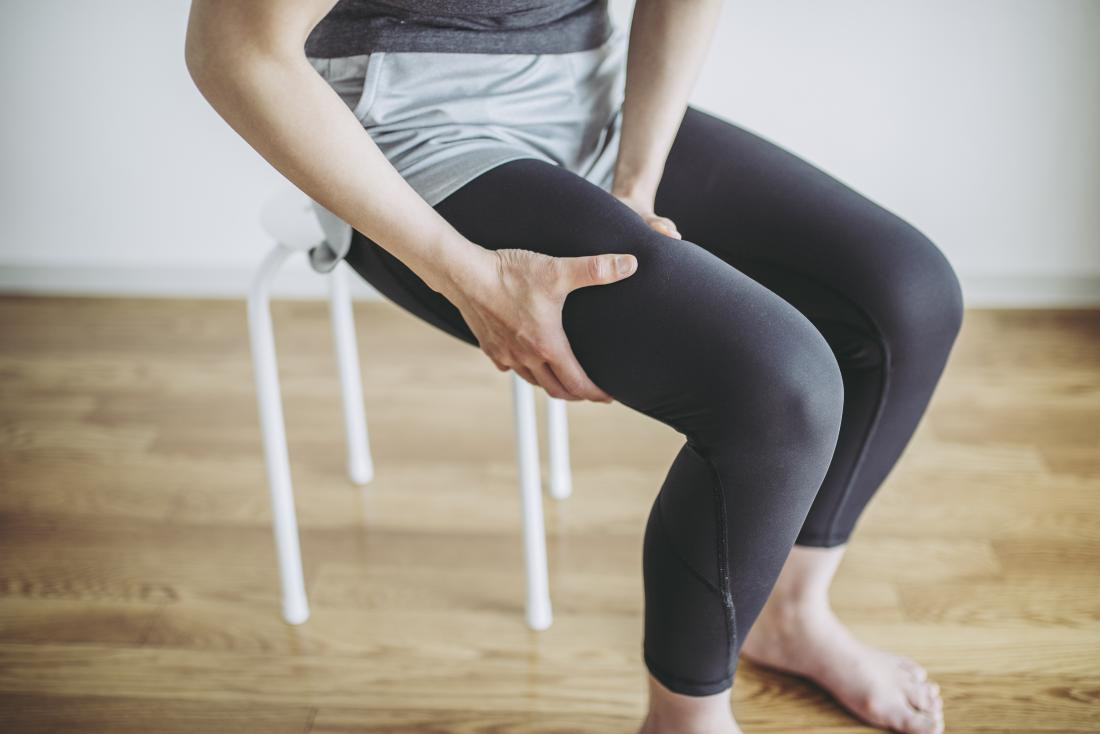
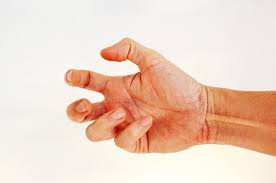
The most common locations for muscle cramps are the thighs, calves, feet, hands, arms, and abdomen. Although generally not dangerous, muscle cramps can temporarily prevent the use of the affected muscle.
Causes
In many cases, the exact cause of muscle cramps is unknown. Generally, muscle cramps occur when:
- Experiencing stress.
- Overusing muscles due to prolonged exercise or physical activity, especially in hot weather.
- Insufficient stretching.
- Dehydration.
- Remaining in one position for a long time, such as sitting for an extended period.
- Rare side effects of certain medications.
Some medical conditions that can cause muscle cramps include:
- Poor Blood Flow
Narrowing of the blood vessels that deliver blood to the legs can cause pain similar to cramps in the legs and feet during physical activity. Muscle cramps usually disappear soon after you stop the activity.
- Nerve Compression
Nerve compression in the spine can also cause cramp-like pain in the legs. Pain may worsen with prolonged walking.
- Mineral Deficiency
Low levels of potassium, calcium, or magnesium in your diet can contribute to muscle cramps. Medications like diuretics that increase urine production and are commonly prescribed for high blood pressure can increase the risk of electrolyte deficiency.
Risk Factor
Muscle cramps can occur at any time and affect people of all ages, including the elderly, young adults, and both active and inactive individuals. Muscle cramps can happen while walking, sitting, exercising, or sleeping. However, some people are more prone to muscle cramps and may experience them more frequently during physical activities.
Factors that increase the likelihood of experiencing muscle cramps include:
- Old Age
Older adults lose muscle mass, making the remaining muscle more susceptible to excessive stress.
- Overexertion
Athletes are more likely to overuse their muscles, making them more prone to muscle cramps. Fatigue, dehydration, and hot weather also contribute.
- Pregnancy
Muscle cramps are more common during pregnancy, likely due to changes in blood circulation and added stress on the legs.
- Medical conditions
People with diabetes, nerve disorders, or thyroid issues are at higher risk of muscle cramps.
Symptoms
The intensity of muscle cramps can range from mild twitching and discomfort to intense and severe sharp pain. Muscle cramps can occur suddenly and may be so severe that they wake you up from sleep or force you to stop the activity you are doing. Additionally, the affected muscle may feel tight when touched.
Muscle cramps typically last from a few seconds to a few minutes before eventually subsiding.
Diagnosis
Generally, muscle cramps do not require additional tests for diagnosis unless the doctor suspects an underlying medical condition. Further tests may be performed if the patient experiences other symptoms besides muscle cramps that indicate a specific illness.
The doctor will inquire about your medical history and any medications you are taking and will ask about:
- The severity of the pain
- When the muscle cramps occur, such as at night or after exercise
- The duration of the muscle cramps
- The symptoms you experience with muscle cramps
- Any accompanying symptoms
Management
Most muscle cramps usually improve after a few seconds or minutes. If you experience muscle cramps, here are some steps you can take to relieve them:
- Stretching and Massaging
Slowly stretch the cramped muscle and gently massage the area until the cramp subsides. If you cannot stand, sit on the floor or a chair with the affected leg extended. Try pulling your toes towards your head while keeping the leg straight. This can also help relieve hamstring cramps. For quadriceps cramps, use a chair for support and try to pull the affected leg towards your buttocks.
- Warm Compress
Apply a warm compress or towel to the tight muscle. Taking a warm bath or soaking in warm water can also help.
If the muscle cramps are very painful, you can take pain relievers such as ibuprofen or acetaminophen. However, it is best to consult a doctor if you frequently experience muscle cramps, if they last for more than a few minutes, or if they are accompanied by other symptoms.
Complications
Muscle cramps are generally not dangerous and typically do not cause serious complications. However, they can temporarily prevent you from using the affected muscle until the cramp subsides,
Prevention
Muscle cramps are difficult to prevent as they are usually unpredictable and can occur at any time, especially during heavy activity. Therefore, always remember to stretch your muscles before and after exercise. If you often experience muscle cramps at night, do some stretching before bed. Engage in activities and exercises within your body's capabilities and avoid overexertion. Avoid exercising in hot and humid weather.
When to See a Doctor?
Muscle cramps usually resolve on their own and rarely indicate a serious condition requiring medical attention. However, it is advisable to consult a doctor if you experience muscle cramps with the following characteristics:
- Severe discomfort
- Cramps accompanied by swelling, redness, or skin changes in the legs
- Cramps accompanied by muscle weakness
- Frequent muscle cramps
- Cramps not improving with self-care
- Cramps unrelated to an obvious cause, such as heavy exercise
Looking for more information about other diseases? Click here!
- dr. Alvidiani Agustina Damanik
Muscle cramp - Symptoms and causes. (2021). Retrieved 15 August 2022, from https://www.mayoclinic.org/diseases-conditions/muscle-cramp/symptoms-causes/syc-20350820.
Muscle Spasms (Muscle Cramps): Causes, Pain Relief & Treatment. (2021). Retrieved 15 August 2022, from https://my.clevelandclinic.org/health/diseases/15466-muscle-spasms.
Muscle cramp - Better Health Channel. Retrieved 15 August 2022, from https://www.betterhealth.vic.gov.au/health/conditionsandtreatments/muscle-cramp.