
Definition
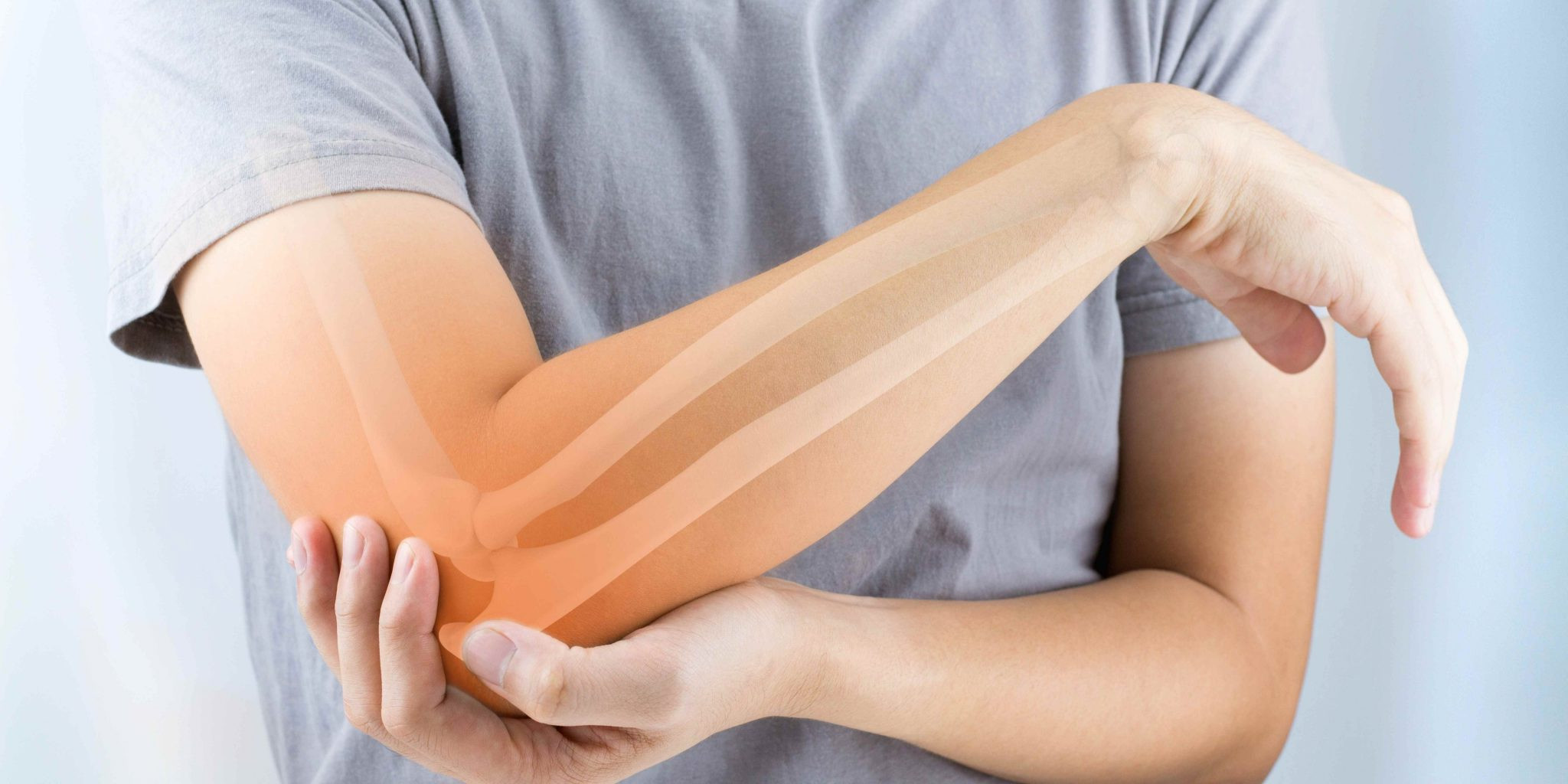
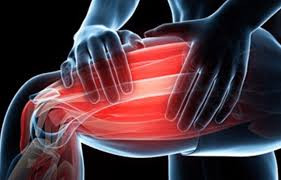
A muscle injury occurs when one of the muscles is damaged, resulting in a tear. These types of injuries are common, particularly among athletes or individuals engaging in physical activities. A muscle injury typically happens when the muscle is overstretched or torn.
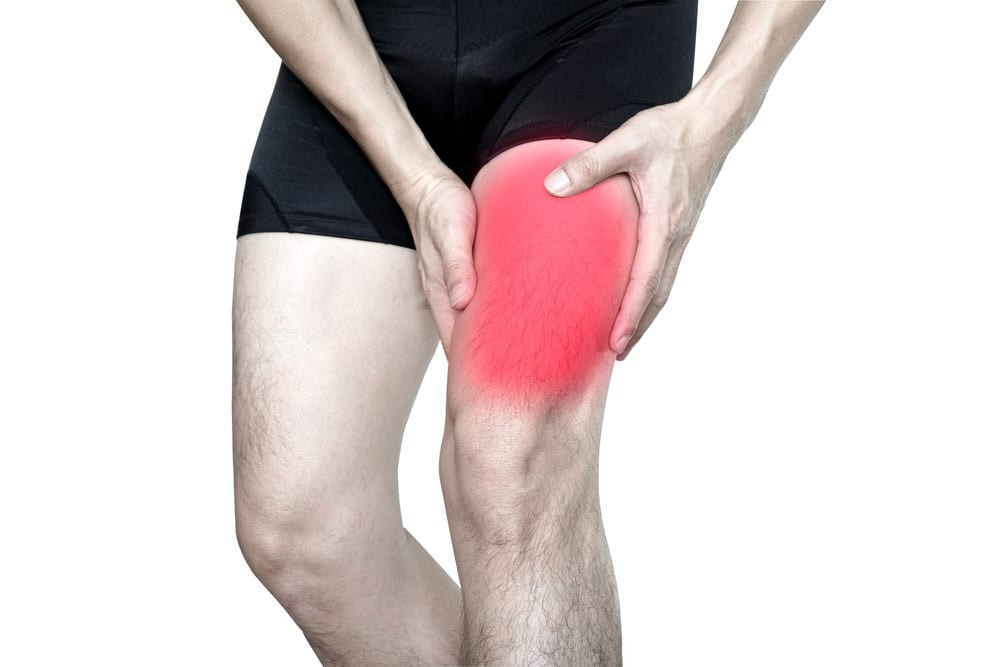
Muscle injuries can affect any muscle in the body, but the most commonly injured muscles are those in the lower back, the front of the thigh, the hamstrings (located at the back of the thigh), and the calf muscles. Muscle injuries often result in pain and restricted movement in the affected area.
Based on severity, muscle injuries can be classified into the following categories:
- Minor Injury
A few muscle fibers are overstretched or torn, which may cause pain when pressed, but the muscle still retains its normal strength.
- Moderate Injury
A greater number of muscle fibers are torn, resulting in more intense pain. This type of injury may involve mild swelling, a decrease in muscle strength, and sometimes bruising.
- Severe Injury
A complete muscle tear, which is a serious injury that can lead to a loss of muscle function. It causes significant pain, swelling, and discoloration in the affected area.
In some cases, muscle injuries can heal by resting the muscle, applying a cold compress, and taking painkillers. However, if the pain persists for weeks or the symptoms don’t subside, it is important to consult a doctor for further evaluation.
Causes
Muscle injuries typically occur as a result of fatigue or overuse when the muscle is pushed beyond its capacity. Injuries can happen suddenly, or develop gradually due to repeated movements that place stress on the muscle over time.
Several types of muscle injuries include:
- Muscle Laceration
This happens when the muscle is torn by an external object, often in incidents like traffic accidents or workplace accidents.
- Muscle Contusion
A muscle contusion occurs when a compressive force hits the muscle. It’s commonly seen in contact sports like soccer, where players may collide with each other, causing their knees or thighs to press against the muscle.
- Muscle Strain
A strain occurs when the muscle fibers are stretched beyond their ability to handle the force, causing them to tear. This type of injury typically affects muscles that cross two joints, such as the hamstrings or calf muscles. These muscles are put under strain when they are forced to stretch across two joints while contracting forcefully.
Differences between strains and sprains are:
-
- A strain is an injury to a muscle or tendon (the tissue that connects muscle to bone).
-
A sprain refers to an injury to a ligament, the tissue that connects two bones.
- Muscle Cramps
A muscle cramp is an unexpected, sudden contraction or excessive shortening of a muscle. Cramps are typically temporary but can cause pain and muscle weakness, ranging from mild to severe.
They are common during physical activity, especially in trained athletes. The most affected areas are the calves, thigh muscles, and the arch of the foot. Cramps can also happen during strenuous activity, even when the muscle is not actively contracting or relaxing.
- Delayed-Onset Muscle Soreness (DOMS)
DOMS refers to muscle soreness experienced after exercise, often occurring in individuals who engage in sports or intense physical activities. The pain usually peaks 24-72 hours after exercise and gradually subsides within 5-7 days. It is often accompanied by muscle weakness and a reduced range of motion.
Risk Factor
Certain physical sports, particularly those involving high body contact, can increase the likelihood of muscle injuries. Sports such as soccer, hockey, boxing, and wrestling are especially associated with a higher risk of muscle injuries. Additionally, certain body parts are more prone to injury in specific sports:
- Legs and Ankles
Sports that require sudden movements and jumping, like running or basketball, can lead to injuries such as Achilles tendon damage in the ankle.
- Hands
Sports involving frequent gripping, such as gymnastics or golf, can increase the risk of injury to the muscles in the hands.
- Elbows
Repetitive and forceful throwing motions without proper warm-up can increase the risk of elbow injuries.
Symptoms
The symptoms of muscle injuries can vary depending on the severity of the injury. Common symptoms include:
-
Pain
-
Difficulty moving the muscle
-
Muscle weakness
-
Bruising or discoloration around the injured area
-
Swelling
-
Muscle cramps
Diagnosis
To diagnose a muscle injury, the doctor will begin with an interview followed by a physical examination and possibly additional tests. The doctor may ask questions such as:
-
What are your current complaints?
-
How did the injury occur, and when did it start?
-
What is the intensity of your pain right now?
-
Do you have a history of any other medical conditions?
-
Does anyone in your family have a history of muscle injuries or related conditions?
After gathering this information, the doctor will assess the injury's physical symptoms. This involves checking the vital signs (such as blood pressure, body temperature, respiratory rate, and pulse). The doctor will then focus on the injured muscle, inspecting its appearance, palpating the area, and checking for any restricted movement or nerve damage.
If necessary, additional tests may be performed to differentiate between various types of soft tissue injuries. Imaging techniques like ultrasound, CT scans, or MRIs may be used to assess the injury's severity or uncover other underlying injuries.
Management
For self-care of muscle injuries at home, the RICE method (Rest, Ice, Compression, Elevation) is commonly recommended:
- Rest
Avoid any activities that cause pain, swelling, or discomfort. While resting the injured area, if possible, engage in light physical activity for overall recovery.
- Ice (Cold Compress)
Apply a cold compress to the injured area for 10-15 minutes every hour on the first day following the injury. After the first day, you can reduce the frequency to every 3-4 hours. Always wrap ice in a towel or cloth before applying it to the skin to prevent frostbite.
- Compression
To help relieve swelling, pressure, and balut areas that are injured with elastic bandages until the swelling stops. Don't wrap it too tightly or your blood flow will be disturbed. Relax if you feel pain getting heavier, the injury area becomes consequence that swelling appears below the wrapped area.
- Elevation
When resting, especially at night, elevate the injured area above your heart level. This uses gravity to help reduce swelling in the affected area.
For severe muscle injuries, surgery may be required to repair the torn muscle tissue. If surgery is necessary, your doctor will explain the procedure in detail.
Physiotherapy is essential in maximizing the stability and strength of an injured joint or limb. Your doctor may recommend using a brace or splint to immobilize the injured area, which can speed up the healing process and prevent further injury.
Complications
If a muscle injury is not properly treated, it may progress into permanent muscle damage. This can result in a decrease in muscle function and performance, and may lead to proteins being released into the bloodstream. Some complications of muscle injuries include:
-
Premature harsh movements: Engaging in excessive activity too early can worsen the muscle injury, as the muscle tissue has not yet regained its full strength.
-
Permanent scarring and adhesions: These can develop within the muscle, leading to decreased elasticity in the muscle tissue and tendons.
-
Bruising: This may form within the muscle tissue as a result of the injury.
-
Bone formation (myositis ossificans): This occurs within the injured muscle or soft tissue, leading to recurring pain and reduced movement in the affected area.
Prevention
To prevent muscle injuries, you can follow these guidelines:
-
Always warm up and stretch before engaging in physical activity to increase flexibility. The more flexible you are, the less likely your muscles are to get injured.
-
Avoid sitting in one position for too long.
-
Maintain good posture when standing or sitting.
-
When lifting weights, ensure that you do so carefully and in the correct position to prevent strain on your muscles.
-
Maintain a healthy weight that falls within an ideal range for your body type.
-
Wear appropriate shoes that fit well and suit the activity you're doing, as poor footwear can increase the risk of muscle injuries.
When to See a Doctor?
If you experience severe symptoms such as intense pain, it’s crucial to consult a doctor immediately. If pain persists after several weeks of home treatment, you should discuss alternative treatment options with your doctor. Seek emergency medical help if you notice symptoms like bleeding around the injured muscle, inability to move the affected body part, or persistent or worsening swelling.
Looking for more information about other diseases? Click here!
- dr Hanifa Rahma
Muscle Strains. (2022). Retrieved 06 December 2022, from https://my.clevelandclinic.org/health/diseases/22336-muscle-strains
Muscle Strains. (2019). Retrieved 06 December 2022, from https://www.healthline.com/health/strains
Muscle Strain. (2020). Retrieved 06 December 2022, from https://www.health.harvard.edu/a_to_z/muscle-strain-a-to-z
What to Know About Muscle Strain. (2019). Retrieved 06 December 2022, from https://www.medicalnewstoday.com/articles/324642
Strains. (2021). Retrieved 06 December 2022, from https://medlineplus.gov/ency/article/000042.htm
Muscle Strains. (2022). Retrieved 06 December 2022, from 06 December 2022, from https://www.mayoclinic.org/diseases-conditions/muscle-strains/symptoms-causes/syc-20450507