Definition
A joint dislocation occurs when the ends of the bones that form a joint are displaced from their normal position. For example, the upper arm bone may shift and separate from the joint formed with the collarbone and shoulder blade. If the joint is only partially displaced, this condition is referred to as a subluxation.
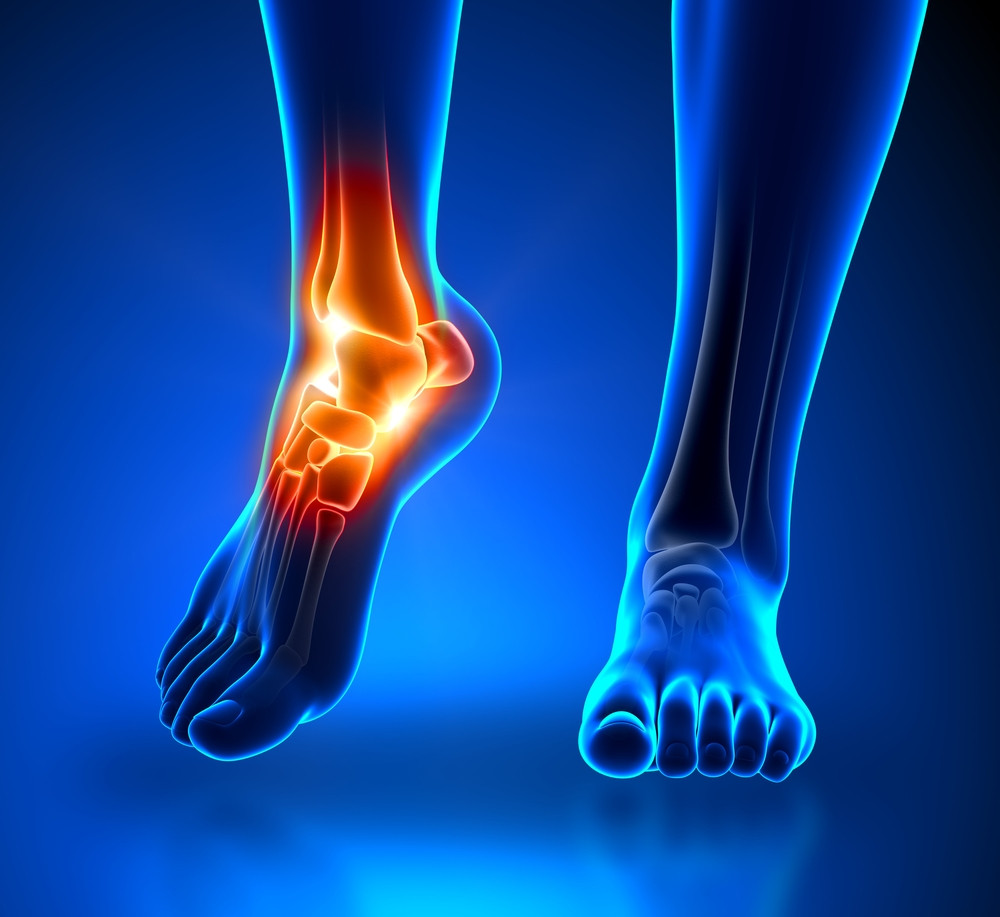
Joint dislocations can occur in many of the body's joints, such as the knee, hip, elbow, ankle, and shoulder. This condition is considered a medical emergency since it can cause damage to surrounding structures, such as ligaments, nerves, and blood vessels.
Causes
Joint dislocations typically occur when there is an unexpected impact or excessive stress placed on the joint. This can happen due to falls, heavy impacts, or motor vehicle accidents. Past dislocations make future dislocations more likely, as the joint may be weaker and more prone to further injury.
Risk Factor
While anyone can experience a joint dislocation from an accident or fall, certain groups are at higher risk. Due to weakened muscles and tendons, older individuals are more susceptible to dislocations, especially if they have difficulty moving or maintaining balance.
In addition, children are at a higher risk if they are not properly supervised during physical activities, particularly in environments with hazards. Athletes or individuals participating in high-contact sports are also at greater risk of joint dislocations due to rapid, forceful movements.
Symptoms
The symptoms of a joint dislocation can vary based on the severity and location of the injury. Common signs include:
-
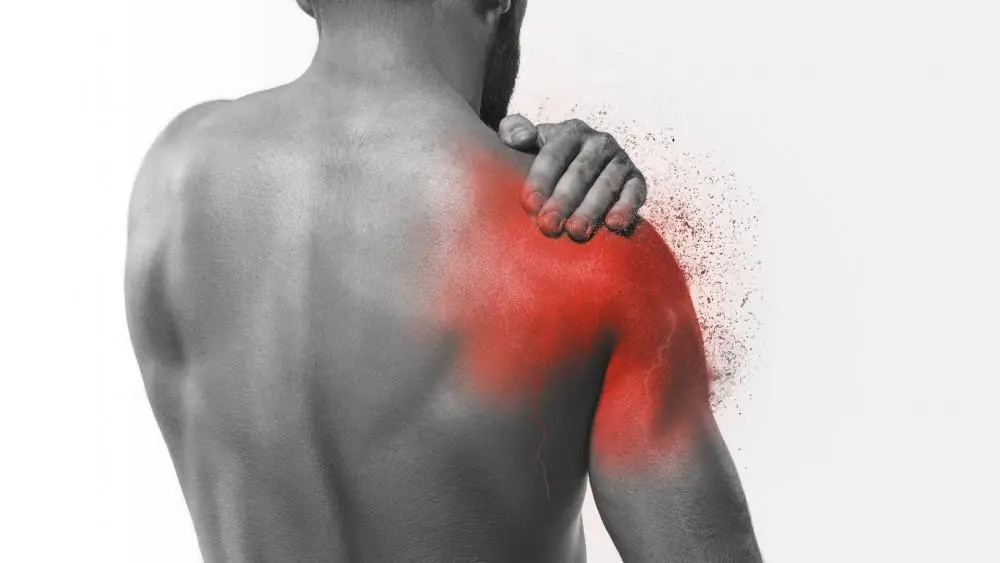
Pain in the joint area
-
Swelling or bruising around the joint
-
Instability of the joint
-
Inability to move the joint
-
Visible misalignment, where the bone appears displaced
Diagnosis
Diagnosing a joint dislocation requires medical attention. If you suspect a dislocation, seek immediate medical care. A doctor will perform a physical examination, assessing the blood circulation around the injured area, any irregularities in the shape of the joint, skin tears or abrasions around the joint
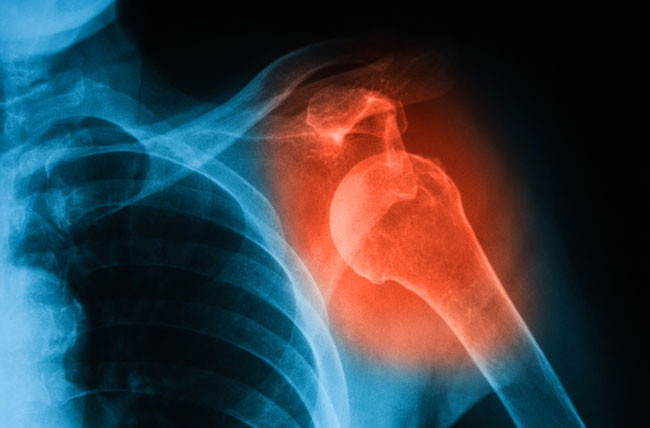
If dislocation is suspected, imaging tests such as an X-ray will help evaluate the condition of the joint. In some cases, further tests like a MRI or CT scan may be needed to identify damage to muscles, ligaments, or bones surrounding the joint.
Management
If you suspect a joint dislocation, follow these steps:
-
Seek medical attention immediately, go to the nearest emergency room.
-
Avoid moving the joint and do not attempt to realign the joint yourself, as this could worsen the injury. Instead, immobilize the joint with a splint.
-
Apply ice, as ice can help reduce swelling by minimizing internal bleeding and fluid buildup around the dislocated joint.
Once at the hospital, treatment will vary depending on the severity of the dislocation:
- Treatments
Doctors may prescribe medications such as ibuprofen or muscle relaxants to manage pain and discomfort.
- Manipulation
The doctor may attempt to realign the dislocated bone. Local anesthesia may be administered to relax the muscles, making this process more comfortable and effective.
- Rest
After the bone has been repositioned, the joint will typically be immobilized using a splint or cast to prevent movement. Resting the joint for several weeks allows for proper healing.
- Rehabilitation
Once the bone has healed, physiotherapy exercises are often recommended to strengthen the muscles and ligaments around the joint. This supports proper function and helps prevent future injuries.
- Surgery
In severe cases, surgery may be necessary if manipulation fails to realign the bone or if the dislocation has caused damage to surrounding blood vessels, nerves, or soft tissues. Surgical procedures may be performed to repair the joint and, in some cases, prevent re-dislocation, such as hip replacement surgery.
Complications
Most joint dislocations don't result in long-term complications. However, when a bone moves out of its proper position, nearby structures like ligaments, tendons, and muscles can tear. Additionally, the bone itself may fracture during the dislocation. In such cases, a doctor might suggest surgery to repair the damage.
If a dislocation is severe or goes untreated, permanent issues can arise, including persistent pain or cell death around the joint. Severe dislocations can also damage surrounding nerves and blood vessels, which can cut off blood supply to the area. Without blood flow, tissue death occurs. To avoid such complications, it's crucial that a doctor manipulates the joint back into place.
Prevention
Preventing joint dislocations involves taking precautionary steps to avoid falls and accidents. Some tips to reduce the risk of dislocations include:
-
Use handrails when walking up and down stairs.
-
Keep a first aid kit accessible at all times.
-
Place rough mats in slippery areas, such as bathrooms.
-
Move electrical cords off the floor to prevent tripping.
-
Avoid using slippery carpets that slide easily.
For children:
-
Teach safe behavior and supervise them when necessary.
-
Childproof your home to minimize risks.
-
Install gates to prevent falls.
For adults:
-
Wear protective clothing during physical activities like sports.
-
Replace slippery carpets with non-slip alternatives.
-
Avoid standing on unstable objects like chairs.
Recovery time varies depending on the joint involved. While most dislocations recover within weeks, some joints, like the hip for example, may take months to fully heal, requiring repeated surgery.
If the dislocation is treated promptly and appropriately, the risk of permanent damage is minimized. However, the affected area remains vulnerable to future dislocations. Recovery may take longer if blood vessels or nerves are damaged, with permanent damage to blood vessels potentially occurring in some cases.
Once the dislocated bone is set, most individuals can resume work or school. Protective devices like splints and slings can safeguard the joint, enabling daily activities while healing. Your doctor can guide you on when to resume physical activities such as sports, chores, or heavy lifting.
When to See a Doctor?
If you suspect a joint dislocation, go to the nearest emergency room immediately. Never attempt to reset the dislocated joint yourself, as this can cause further damage to surrounding muscles and tissues. Consult your doctor about the severity, potential warning signs, and follow-up care.
Looking for more information about other diseases? Click here!
- dr Hanifa Rahma
Dislocation: First aid. Mayo Clinic. (2022). Retrieved 8 September 2022, from https://www.mayoclinic.org/first-aid/first-aid-dislocation/basics/art-20056693.
Dislocation: Symptoms, Causes, Treatment & Prevention. Cleveland Clinic. (2018). Retrieved 8 September 2022, from https://my.clevelandclinic.org/health/diseases/17873-dislocation.
Dislocations: Causes, Diagnosis & Treatments. Healthline. (2017). Retrieved 8 September 2022, from https://www.healthline.com/health/dislocation.