
Definition
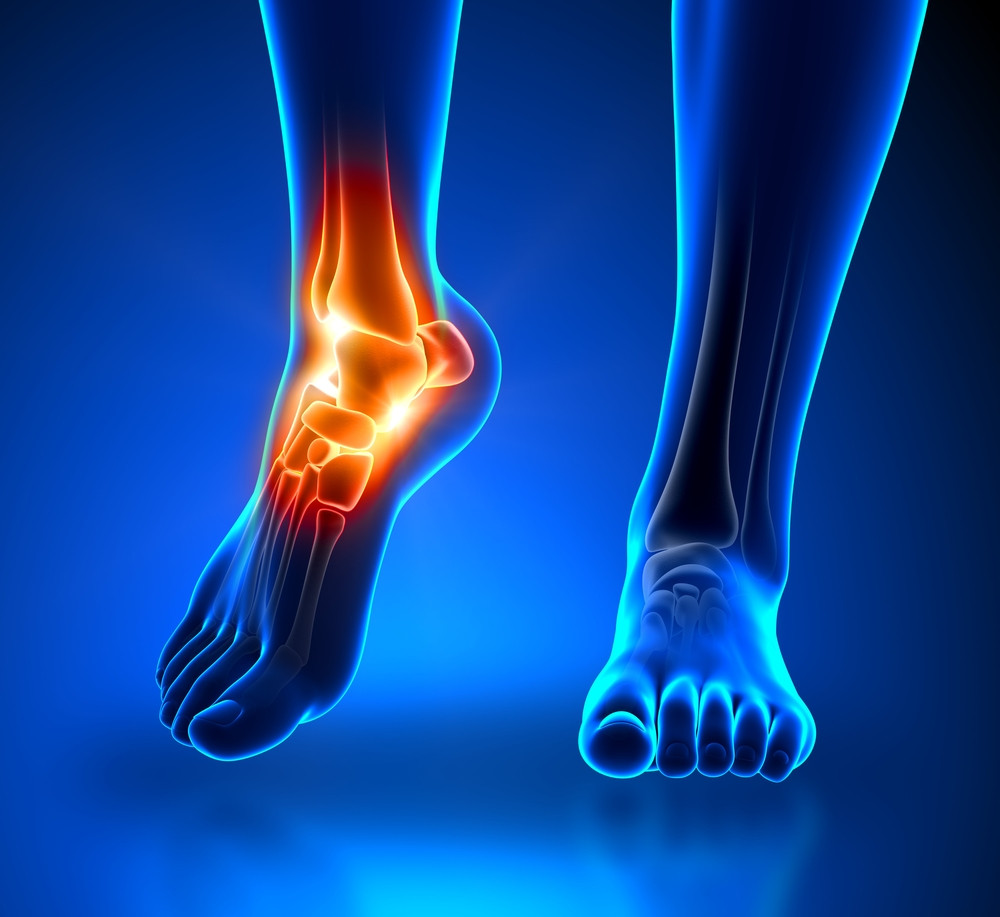
Hemarthrosis refers to the presence of bleeding within a joint cavity. A joint is the area where two bones meet, allowing for flexibility and movement to carry out everyday tasks. While hemarthrosis most frequently occurs in the knee, it can also affect other joints such as the fingers, elbows, shoulders, and feet. The joint is lined by a thin membrane called the synovial membrane, which protects the bones. This membrane works alongside cartilage, tendons, and ligaments to reduce friction between the bones, especially during movement.
Hemarthrosis can result from injury, certain medical conditions, or even as a side effect of medications or surgeries. Treatment for hemarthrosis depends on its underlying cause, and in most cases, it resolves within a few weeks. There are two types of hemarthrosis: acute and chronic. Acute hemarthrosis is caused by an immediate injury or short-term illness, and it usually heals quickly. Chronic hemarthrosis, however, is often linked to bleeding disorders, and it tends to recur over time, requiring long-term and repeated treatment.
The exact number of people affected by hemarthrosis is unclear. However, it is known that more than half of individuals with hemophilia will experience hemarthrosis. Additionally, studies show that more than half of hemarthrosis cases globally are linked to ACL (Anterior Cruciate Ligament) injuries and other ligament damage in the knee.
Causes
Hemarthrosis can occur in anyone. Any trauma to the synovial membrane can lead to bleeding within the joint. Some of the most common causes include:
-
Injury: Major injuries to ligaments, or tears in the structures around the joint, can lead to bleeding within the joint.
-
Bleeding disorders: Conditions like hemophilia (a disorder where the blood doesn’t clot properly) can lead to hemarthrosis.
-
Blood thinners: Medications such as aspirin or warfarin can increase the risk of bleeding, including in the joints.
-
Osteoarthritis: Inflammation of the bones, known as osteoarthritis, can cause damage to the joint structures, leading to bleeding.
-
Surgical procedures: Certain surgeries, particularly those involving joints, can result in bleeding and hemarthrosis.
-
Neoplasms (cancer): Cancer can damage blood vessels, making them more fragile and prone to bleeding, including in the joints.
Risk Factor
Several factors can increase the likelihood of developing hemarthrosis, including:
-
Male gender
-
Hemophilia
-
Athletes
-
Teenage years
-
Family history of hemophilia
-
Vitamin K deficiency
-
Cancer
-
Liver disease
-
Chronic kidney disease
-
Disseminated intravascular coagulation (DIC)
-
Neurological disorders
-
Certain infections
-
Autoimmune diseases
Symptoms
The most common symptoms of hemarthrosis include:
-
Pain and inflammation in the joint
-
Swelling in the affected joint
-
Difficulty moving the joint, resulting in limited range of motion
-
Bruising or discoloration of the joint area
-
Temperature changes in the joint, making it feel warmer than usual
Diagnosis
To confirm the diagnosis of hemarthrosis, a doctor will conduct a medical history review, a physical test, and may order additional diagnostic tests.
Medical Interview
The doctor will start by asking questions to better understand the patient's symptoms and condition. Key topics covered during the interview include:
-
Current symptoms.
-
Occupational history and daily activities.
-
Previous medical history.
-
History of taking certain medications.
-
Family medical history.
Physical Examination
After the interview, the doctor will perform a physical examination. This may involve checking the patient’s general condition, including vital signs like blood pressure, body temperature, respiratory rate, and pulse. The doctor will then focus on the joint affected by hemarthrosis.
The local examination includes observing the joint for any discoloration, swelling, or bruising. The doctor will gently press the joint to assess pain, swelling consistency, and any temperature changes that suggest inflammation. The joint will be moved to check for movement limitations caused by the bleeding.
Diagnostic Tests
For further evaluation, the doctor may order several tests, such as:
-
Blood tests: These are used to check for underlying diseases or conditions that might be contributing to hemarthrosis.
-
X-rays, CT scans, or MRIs: These imaging tests help assess the condition of the joint and any damage to the bone or surrounding tissues.
-
Arthrocentesis: This procedure involves taking a sample of the joint fluid to examine it under a microscope. This test can confirm the presence of blood in the joint and identify any other contributing factors.
Management
Treatment for hemarthrosis depends on the underlying cause and the severity of the condition. Some of the treatments available include:
-
RICE (Rest, Ice, Compression, and Elevation): The RICE method is often used to reduce inflammation and help the joint heal. This includes resting the joint, applying ice to reduce swelling, using compression to stabilize the joint, and elevating the joint to help fluid drainage.
-
Temporarily avoiding blood thinners: If the patient is on medication such as aspirin or warfarin, the doctor may recommend pausing these medications to prevent further bleeding.
-
Pain relief: Over-the-counter painkillers, such as paracetamol and ibuprofen, can help manage pain and reduce inflammation.
-
Surgical intervention: In severe cases of bleeding or if the joint damage is extensive, surgery may be necessary to stop the bleeding and repair the joint.
-
Physical therapy: After the initial treatment phase, physical therapy can help strengthen the muscles around the joint and prevent further overuse or damage due to hemarthrosis.
Complications
Without proper treatment, joint bleeding can lead to permanent damage. Even a single large joint bleed or multiple smaller bleeds can cause long-term harm. Over time, the tissues around the joint, such as tendons and ligaments, may shrink, reducing joint mobility. Some common complications of hemarthrosis include:
-
Loss of muscle strength around the affected joint
-
Pain during movement or at rest
-
Difficulty performing daily activities, such as climbing stairs or walking
-
Degenerative arthritis: This occurs when cartilage is damaged, leading to long-term arthritis.
Prevention
Preventing hemarthrosis largely depends on the underlying cause and the patient's specific condition. For example:
-
In patients with hemophilia, preventative drug infusions may be administered to reduce the risk of hemarthrosis.
-
Immobilization with a cast may be used to prevent the condition from worsening.
-
A healthy diet rich in calcium and vitamin D can help maintain bone strength and overall joint health.
-
Maintaining a healthy weight and body mass index (BMI) can reduce pressure on the joints, further helping to prevent hemarthrosis.
When to See a Doctor?
It’s important to see a doctor immediately if you notice a new lump in a joint without a history of injury, especially if you have a history of blood disorders. Additionally, if you are unable to move your joint after an injury, it’s important to seek medical attention. If necessary, visit the nearest emergency room for immediate care.
Looking for more information about other diseases? Click here!
- dr Hanifa Rahma
Cleveland Clinic - Hemarthrosis (Joint Bleeding). (2022). Retrieved 28 November 2022, from https://my.clevelandclinic.org/health/diseases/24225-hemarthrosis-joint-bleeding
HealthLine - Hemarthrosis. (2017). Retrieved 28 November 2022, from https://www.healthline.com/health/hemarthrosis#diagnosis
M. Lombardi, AC. Cardenas. (2022). Hemarthrosis. Retrieved 28 November 2022, from https://www.ncbi.nlm.nih.gov/books/NBK525999/
Verywell Health - Hemarthrosis. (2021). Retrieved 28 November 2022, from https://www.verywellhealth.com/hemarthrosis-what-you-need-to-know-2552219
WebMD - Hemarthrosis. (2020). Retrieved 28 November 2022, from https://www.webmd.com/osteoarthritis/what-is-hemarthrosis