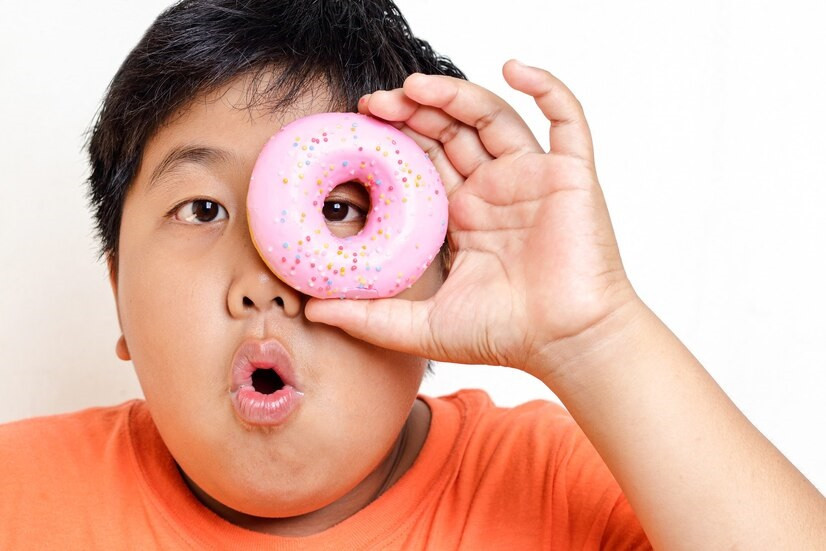
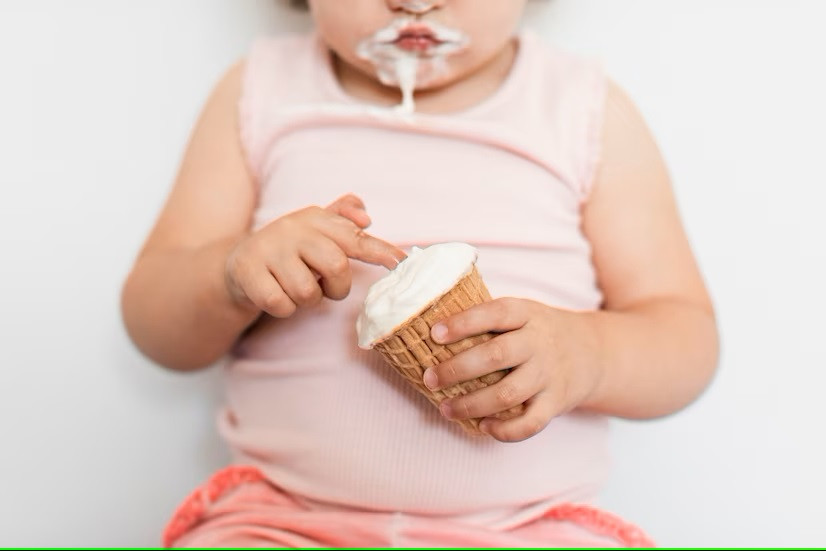
Obesity is generally defined as a health condition involving an excessive accumulation of body fat. While it's often associated with adults, obesity can also affect children.
To find out whether a child is obese, it’s not enough to only rely on visible physical signs. It’s also important to measure their body mass index (BMI) to get a clearer picture of their weight status.
Signs of Obesity in Children
Children with obesity often show more than just an increase in body weight. They may also display a number of additional symptoms, such as:
-
Difficulty breathing
-
Feeling tired more quickly than others
-
Excessive sweating
-
Snoring or experiencing sleep apnea
-
Pain in joints
-
Dislocation in the hip area
-
Flat feet
-
Skin irritation and rashes
-
Stretch marks, especially around the hips, stomach, or back
-
Acanthosis nigricans, which appears as dark, thickened patches of skin, often around the neck or other skin folds
-
Fat buildup in the breast area
-
Trouble with bowel movements (constipation)
-
Stomach acid rising to the throat (acid reflux)
-
Early onset of puberty in girls
-
Delayed puberty in boys
Body Mass Index for Obese Children
Just like in adults, childhood obesity can be identified using the body mass index. BMI helps determine if a child’s weight is appropriate for their height and age.
To calculate BMI, you’ll need your child’s weight in kilograms and their height in centimeters. Then apply this formula:
Body mass index (BMI) = weight (kg) / height (m)²
Here’s what the results generally indicate:
-
Below 18.5 – considered underweight, which may signal malnutrition
-
18.5 to 24.9 – considered a healthy weight range
-
25 to 29.9 – considered overweight
-
30 and above – considered obese
Apart from using BMI, health professionals also assess weight status based on the WHO Child Growth Standards. The following categories are used for diagnosis:
-
Underweight – below the 5th percentile
-
Healthy weight – from the 5th percentile to just under the 85th percentile
-
Overweight – from the 85th percentile to just under the 95th percentile
-
Obese – 95th percentile and above
It’s important to understand that BMI is not a direct measure of body fat. However, it is closely linked to more accurate fat measurements and is widely used as a screening tool.
Habits to Prevent Childhood Obesity
A child’s weight is heavily influenced by daily habits, especially when it comes to food choices, physical activity, and lifestyle. Here are some healthy routines to help prevent obesity in children:
-
Avoid using sugary snacks or desserts as a reward.
-
Serve meals on clean dishes with reasonable portion sizes—don’t overload the plate.
-
Don’t pressure your child to eat if they say they’re already full.
-
Teach them to eat only when they feel hungry, and to stop eating when they’re satisfied.
-
Make sure your child gets enough rest. Poor sleep can raise levels of the hunger hormone ghrelin, leading to increased appetite and weight gain.
-
Don’t ban all sweet treats completely—strict restrictions can lead children to sneak food or overindulge when unsupervised.
If you’re interested in learning more about childhood obesity and want guidance before taking your child for a medical test, consider consulting a specialist through the AI Care app.
Looking for information about nutrition, food and other diet tips? Click here!
- dr Hanifa Rahma
CDC (2022). Defining Childhood Weight Status. Available from: https://www.cdc.gov/obesity/basics/childhood-defining.html
Gila Lyons (2023). What Is Childhood Obesity?. Available from: https://www.endocrineweb.com/conditions/childhood-obesity
Kids Health (2023). Overweight and Obesity. Available from: https://kidshealth.org/en/parents/overweight-obesity.html
Mayo Clinic (2021). Obesity. Available from: https://www.mayoclinic.org/diseases-conditions/obesity/symptoms-causes/syc-20375742