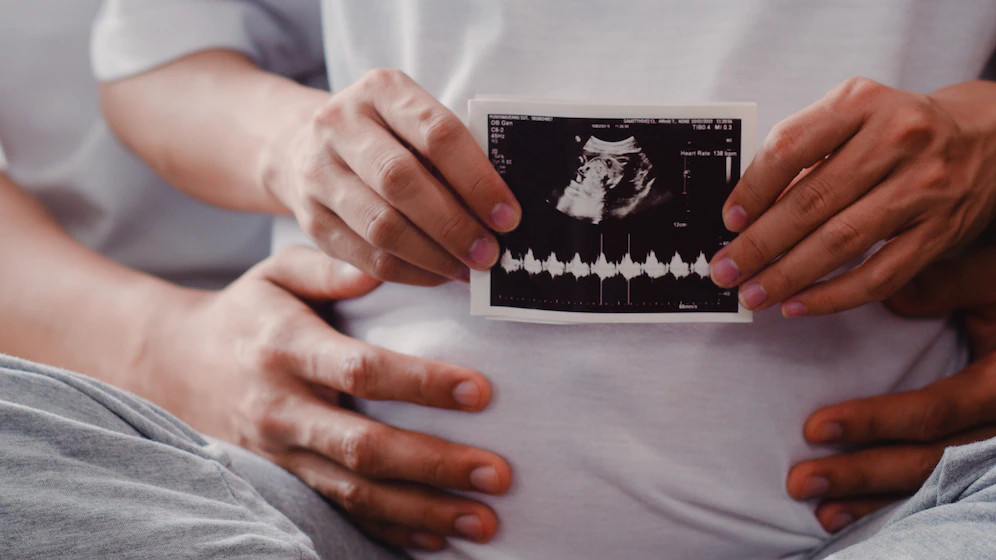

Pregnancy brings not only physical changes but emotional and psychological shifts, too. One common change is frequent mood swings, especially early on. As a result, many pregnant women become more sensitive, cry more easily, and feel anger flare more often during pregnancy.
Causes of Mood Swings During Pregnancy
According to Baby Center, one major driver of mood shifts in pregnancy is rapid hormonal change. During this time, estrogen and progesterone levels rise quickly. These hormones are essential to prepare the body for fetal development. At the same time, their surge can trigger abrupt changes in mood. It’s not unusual for pregnant women to suddenly feel angry, irritable, or tearful.
Besides hormones, the following factors can also make pregnant women more sensitive, as reported by American Pregnancy:
1. Fear
For many newly married couples, a first pregnancy is a brand-new experience. New parents often worry about labor and delivery, their baby’s future health, balancing family and work, and financial concerns. These fears can make pregnant women more emotionally reactive.
2. Physical Changes in the Pregnant Woman’s Body
Beyond hormones, physical changes and symptoms in pregnancy such as body aches, steady weight gain, nausea, and vomiting, can cause discomfort. These shifts can erode confidence and fuel irritability.
3. Stress
Welcoming a new family member is joyful, yet pregnancy can also bring stress and lost sleep. When stress builds, pregnant women tend to become more emotional, irritable, and sensitive to many things.
4. Fatigue
Hormonal changes can lead to easy fatigue, weakness, and low energy. Poor sleep further strains stamina, making tiredness linger. Accumulated fatigue and physical discomfort can lower mood and make it harder to manage emotions. In turn, pregnant women may grow more sensitive and irritable.
Mood swings in pregnancy usually occur in the first trimester. In general, they don’t last long and gradually ease. During pregnancy, it’s especially important to address mental health concerns. Mothers who are depressed, anxious, or struggling in other ways may miss needed medical care. If you feel irritable or notice mood swings, consider options such as talk therapy with a counselor, yoga, light exercise, meditation, confiding in friends, or speaking with a religious leader who can help you feel supported.
Partner and family support is vital. If emotional ups and downs are very disruptive, seek help so you can feel better and do what’s best for both of you.
Looking for more information about pregnancy, breastfeeding, women's and children's health? Click here!
- dr Hanifa Rahma
American Pregnancy Association. Pregnancy Emotions. Available from : Pregnancy Emotions - American Pregnancy Association
Priya Solomon B. 2021. Pregnancy Mood Swings. Available from : Pregnancy mood swings - BabyCenter India