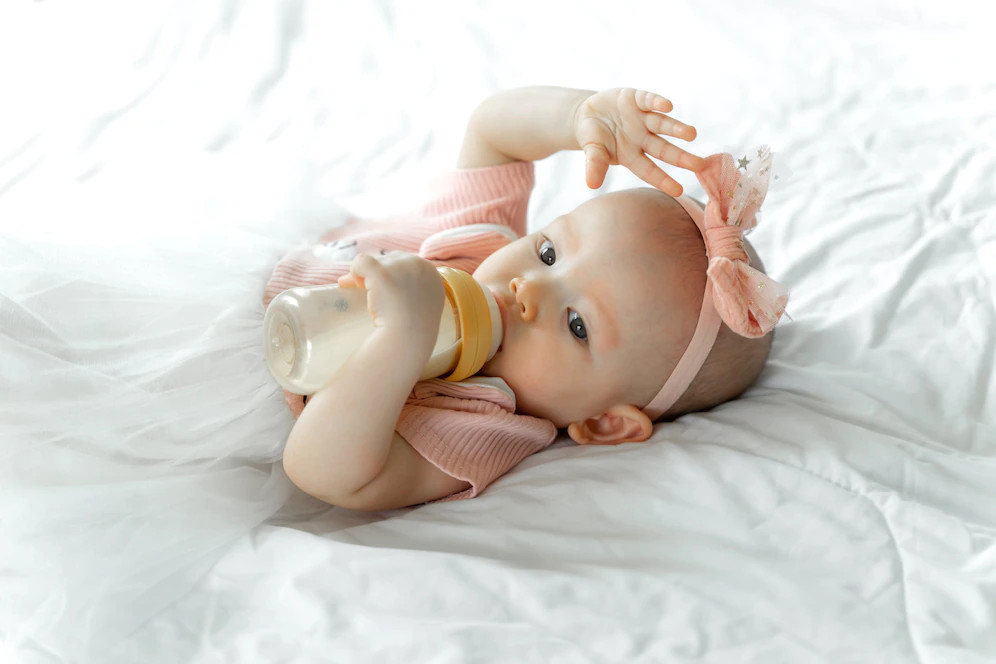
For many new parents, taking care of a newborn can be exhausting, with frequent awakenings whenever the baby cries because of thirst, feeling cold, urination, or very wet diapers. Even so, these are realities most parents accept in the early stages of a baby’s development.
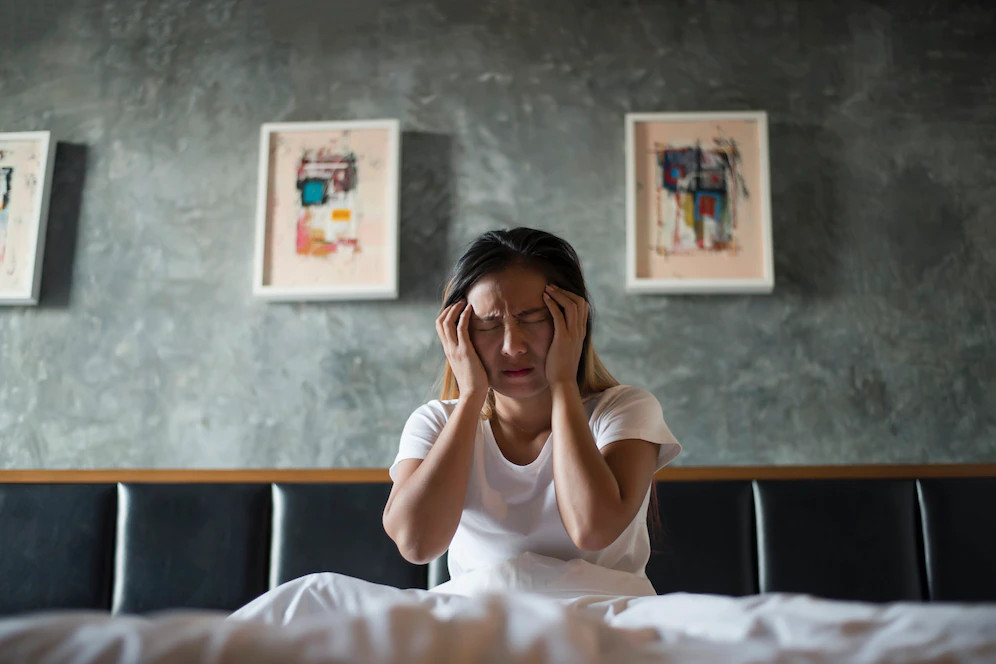
In some women, post-birth fatigue can lead to insomnia. Although not all mothers experience it, researchers note that hormonal shifts and lifestyle changes in mothers can significantly affect sleep quality and contribute to postpartum insomnia.
Understanding the Causes of Postpartum Insomnia
Insomnia is a common sleep disorder that affects about 10–30% of adults. It involves trouble falling asleep, difficulty staying asleep, or waking too early and being unable to drift back to sleep. When insomnia occurs, you may still feel tired on waking, which drains energy and affects mood, health, performance, and overall quality of life.
Postpartum insomnia resembles general insomnia, but the contributing factors can differ, including:
-
Iron Deficiency
Anemia caused by iron deficiency can increase the risk of postpartum insomnia. Iron deficiency may arise when pregnant women do not consume enough iron-rich foods or supplements throughout pregnancy.
Heavy bleeding during delivery or in the postpartum period further raises the likelihood of anemia, which in turn can worsen sleep problems after childbirth.
-
Hormonal Changes
Hormonal changes not only during pregnancy but also markedly after delivery. When the baby is born, a mother’s progesterone levels fall, and this can influence sleep quality. These changes can also alter melatonin levels and affect circadian rhythm in some women.
-
Physical Changes After Childbirth
Certain physical changes after birth can cause discomfort, such as perineal pain, perineal tears, breast engorgement, cesarean section incisions, and other postnatal issues. This discomfort meaningfully disrupts sleep and can make it hard to rest.
-
Changes in Sleep Schedules
With a newborn at home, you will need to adjust sleep patterns and timing. Frequent awakenings and irregular sleep to accommodate the baby’s needs can fragment rest.
-
Breastfeeding Time
Newborns feed often and may nurse throughout the night. This requires frequent waking to feed the baby, which can also reduce sleep quality.
Signs of Postpartum Insomnia
Symptoms mirror those of general insomnia: difficulty falling asleep or returning to sleep after waking too early. With postpartum insomnia, you may also notice:
-
Anxiety
Postpartum insomnia often coexists with anxiety and depression, both of which can make sleep more difficult.
-
Fatigue
Without sufficient rest, you may feel tired throughout the day, which affects daily activities, concentration, and clear thinking.
-
Irritability and Anger
Mothers with postpartum insomnia may have mood swings. You might feel happy at one moment, then irritable or angry at the next, reflecting a mix of hormonal shifts and sleep loss.
-
Prone to Sadness
Related to mood changes, mothers who lack sleep tend to feel sad more easily and may cry more often. If this persists, it can develop into baby blues or depression, where sleep alone is not enough and specialist care is needed.
There are several ways to address postpartum insomnia, such as trying to rest when the baby sleeps and seeking help from family members. If insomnia progresses to the point that it disrupts daily functioning or leads to depression, do not let it continue. Seek help by consulting a specialist.
Looking for more information about pregnancy, breastfeeding, women's and children's health? Click here!
- dr Hanifa Rahma
Danielle Pacheco, Staff Writer (2022). Postpartum Insomnia. Available from: https://www.sleepfoundation.org/insomnia/postpartum-insomnia
Hedy Phillips (2022). What Causes Postpartum Insomnia? And How to Get Rest. Available from: https://www.verywellfamily.com/what-causes-postpartum-insomnia-5216136
Carrie Madormo, RN, MPH (2022). Postpartum Insomnia: Symptoms, Causes, and What to Do About It. Available from: https://www.verywellhealth.com/postpartum-insomnia-5220394
Sleep Advisor (2022). Postpartum Insomnia – Causes, Symptoms and Useful Tips. Available from: https://www.sleepadvisor.org/postpartum-insomnia/
Mayo Clinic (2016). Insomnia. Available from: https://www.mayoclinic.org/diseases-conditions/insomnia/symptoms-causes/syc-20355167