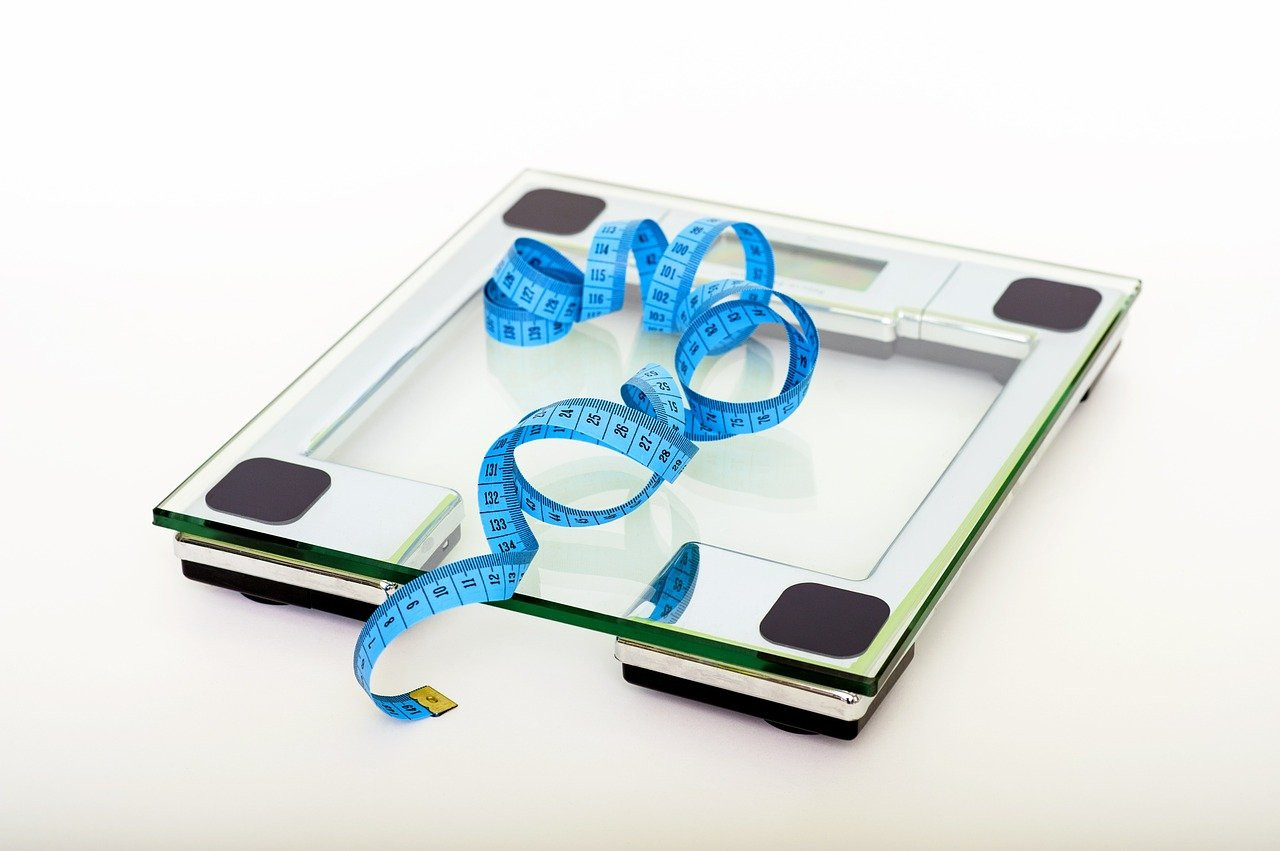
During pregnancy, women gain weight to support the baby’s growth. This extra weight doesn’t disappear right after delivery. Some mothers may slim down quickly, but for many others, losing weight takes time and effort.
Why It’s Hard to Lose Weight After Childbirth
Every woman’s pace of weight loss is different. Activity levels, metabolism, and other factors all play a part. According to Parents, here are some common reasons postpartum weight loss can be difficult:
1. Sleep Deprivation
New mothers are understandably busy caring for their newborns. This adjustment often leads to fatigue and too little sleep. When you’re tired, your body produces more cortisol, a stress hormone that can increase appetite.
2. Stress
Many women feel stressed as they adapt to motherhood. When stress and exhaustion rise, cortisol levels go up, which can trigger hunger. As a result, you may eat more than usual, making weight loss tougher.
3. Limited Time for Exercise
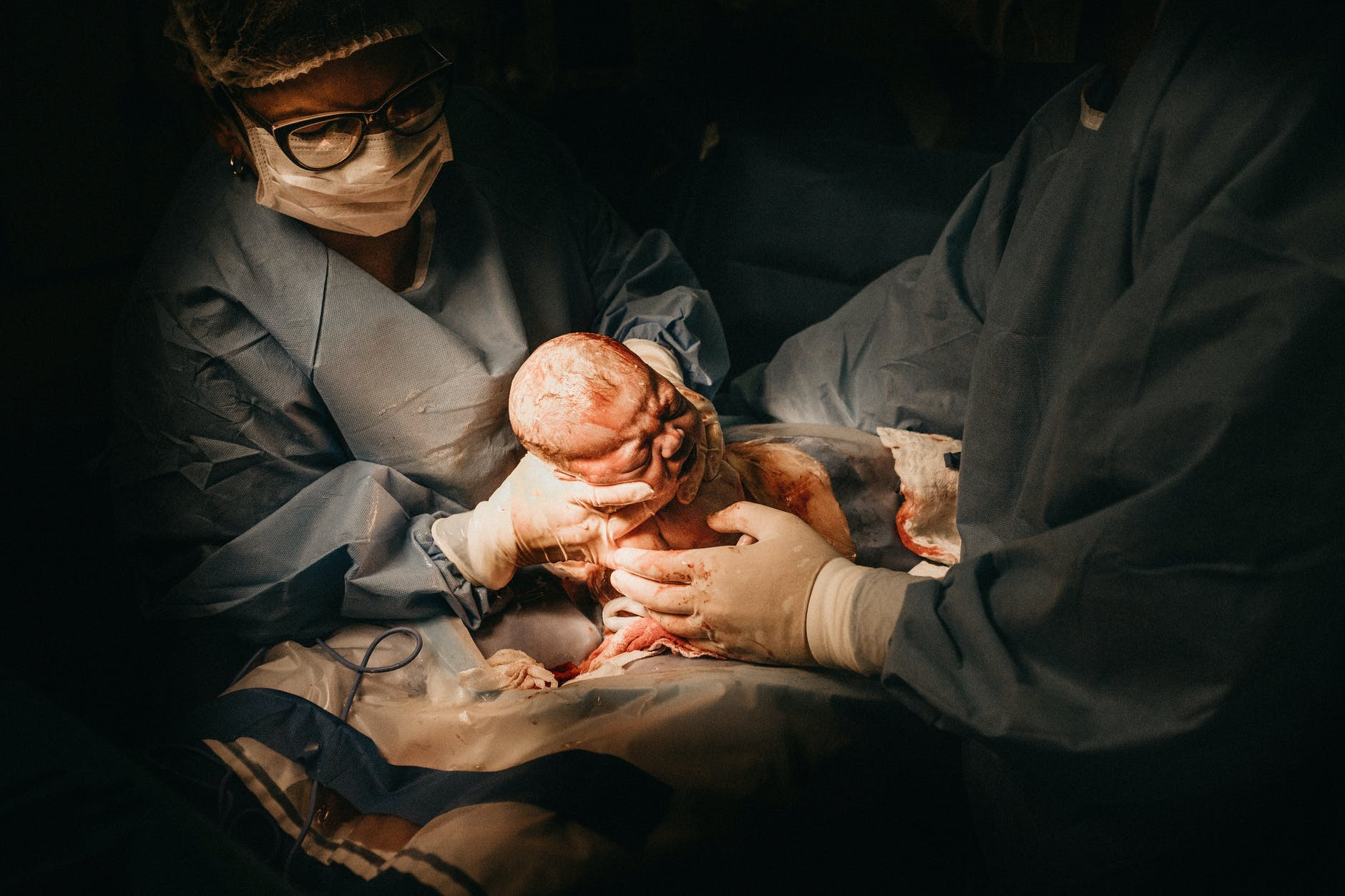
Most mothers are encouraged to resume physical activity around six weeks after delivery. The time of recovery can take longer for mothers after a cesarean section.
For many, finding time to work out is a challenge. It’s no surprise the body may store more calories, contributing to weight gain. Too little movement can also slow metabolism, which can make it harder, especially for breastfeeding mothers to lose weight.
4. Eating Approach
Some mothers try strict calorie-cutting to get back to their pre-pregnancy shape, but experts generally don’t recommend this. While breastfeeding, your body needs additional calories to support milk production and recovery.
If you want to lose weight while nursing, still meet your calorie needs: choose smaller, more frequent meals, don’t skip meals, and focus on nutritious options and smart snacks like fruit or nuts.
5. Postpartum Fat Stores
During pregnancy, the body builds fat reserves to supply energy for breastfeeding. After birth, these reserves don’t vanish quickly, especially if a mother isn’t exclusively breastfeeding. Research suggests breastfeeding mothers can lose around 6-7 kg per month during the first 4-6 months after delivery, though the rate of loss often slows after that.
In essence, weight loss for breastfeeding mothers follows the same principles as for anyone else: consistent exercise, balanced eating, and adequate rest. However, avoid extreme dieting or overexercising, as both can slow metabolism and may even increase the risk of weight gain over time.
Looking for more information about pregnancy, breastfeeding, women's and children's health? Click here!
- dr Hanifa Rahma
Parents. Your Guide to Postpartum Weight Loss (2019). Available from: https://www.parents.com/baby/health/lose-baby-weight/lose-baby-weight/.
MedlinePlus. Losing weight after pregnancy. Availabe from: https://medlineplus.gov/ency/patientinstructions/000586.htm.
Whattoexpect. Losing the baby weight: The truth about postpartum weight loss (2021). Available from: https://www.whattoexpect.com/first-year/losing-baby-weight.
Healthline. 16 Effective tips to lose baby weight after pregnancy (2020). Available from: https://www.healthline.com/nutrition/weight-loss-after-pregnancy.