

Definition
Somniloquy or sleep talking is a sleep disorder in the form of talking while sleeping. This condition occurs out of the patient's control, they ended up having no awareness that they are talking in their sleep and will not remember this the next day.
A person with somniloquy may speak in complete sentences, incoherently, or speak in a voice or language different from what he or she uses every day. Sleep talking is generally not dangerous.
Causes
Some people think that somniloquy occurs due to dreaming. However, it has not been proven whether it is related to dreams or there are other underlying processes in the brain. Sleep talking can occur at any stage of sleep. Somniloquy occurs on its own without realizing it and is often harmless. However, in some cases, this condition can be a sign of sleep disorders or more serious health conditions.
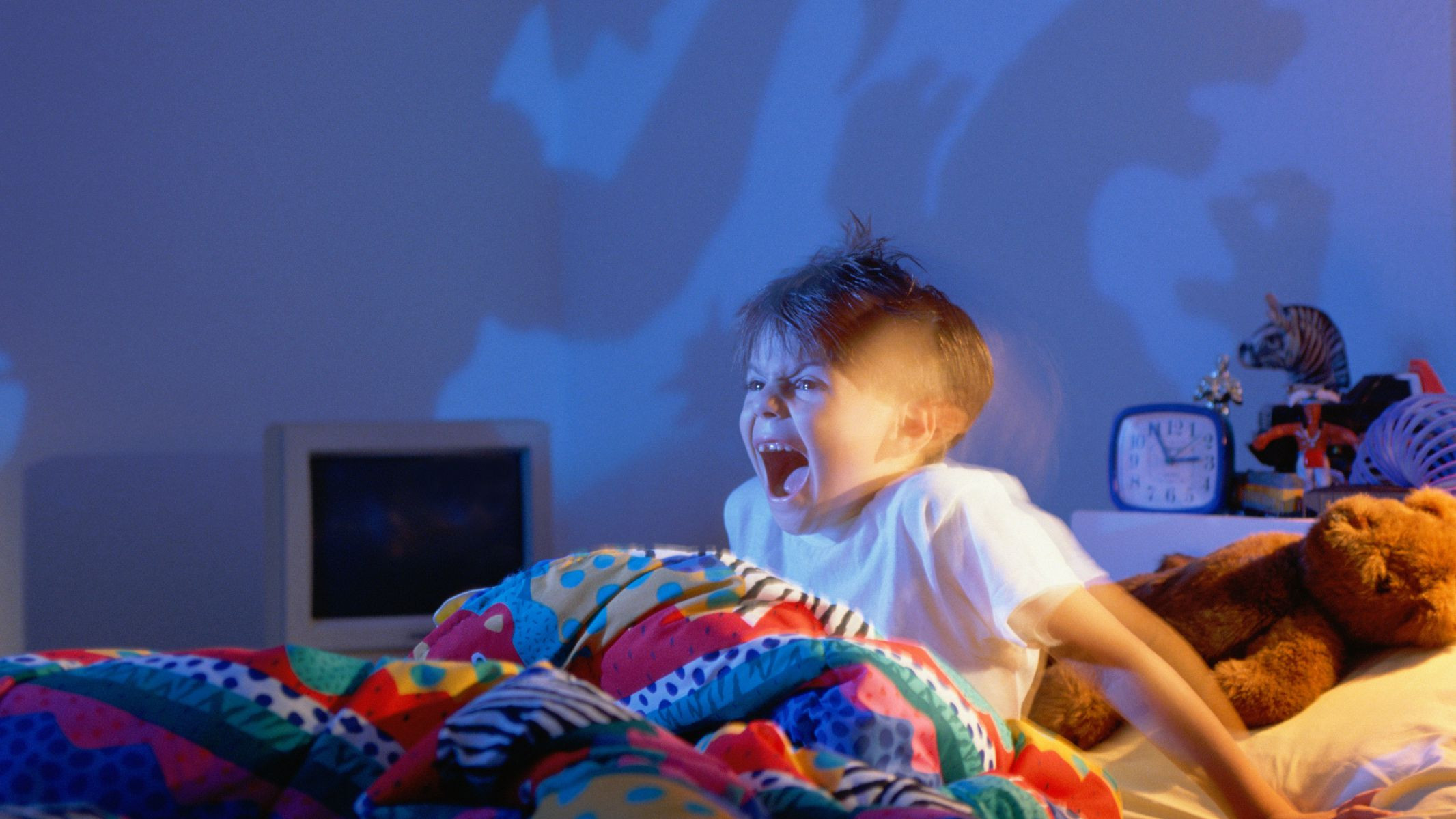
REM sleep behavior disorder (RBD), or REM phase sleep behavior disorder and sleep terrors, are two types of sleep disorders that can cause a person to scream while sleeping. Sleep terrors, also called night terrors, usually cause frightening screaming, thrashing, and kicking. It is difficult to wake someone who is experiencing sleep terror. Children with sleep terrors usually talk and walk in their sleep. Meanwhile, people with RBD scream, snore, and do things in their dreams, often violently.
Somniloquy can also occur in conjunction with other sleep disorders such as sleepwalking or eating. Factors that can cause somniloquy include:
- Certain medications
- Emotional stress
- Fever
- Mental health disorders
- Substance abuse
Risk Factor
Sleep talking can happen to anyone and appear at any time, but this sleep disorder is more common in children and men. It is also thought that genetic factors influence the emergence of somniloquy. So, if you have a parent or other family member with somniloquy, you may also be at risk of experiencing it. Likewise, if you have somniloquy disorder, your children or offspring are also at risk of developing the disorder.
Somniloquy may occur more frequently at certain times if it is triggered by:
- Illness or fever
- Drink alcohol
- Stress
- Mental health conditions, such as depression
- Lack of sleep
People with other sleep disorders are also at higher risk of experiencing somniloquy, such as:
- Sleep apnea disorder causes a person's breathing to stop suddenly during sleep
- Sleepwalking
- Nightmare
Symptoms
It's hard to know if you're experiencing somniloquy without information from others because you don't realize it or remember it later. Usually, people will tell you that they heard you screaming while you were sleeping, or they complain that their sleep was disturbed because you talked or screamed in your sleep.
Somniloquy is divided into several stages and degrees of severity:
- Stages 1 and 2
At this stage, conversation occurs at a less deep stage of sleep and their speech is easier to understand. The conversations of people with stage 1 or 2 somniloquy sometimes still make sense.
- Stages 3 and 4
Somniloquy occurs in deeper stages of sleep and the speech produced is usually more difficult to understand. Somniloquy may sound like moaning or speech that has no apparent meaning.
The severity of the above somniloquy is determined by how often the complaint occurs:
- Mild, if it occurs less than once a month
- Moderate, if it happens once a week and doesn't disturb other people's sleep much
- Severe, if it happens every night and can disturb other people's sleep
Diagnosis
There are no specific tests performed to diagnose somniloquy. However, polysomnography and sleep recording can help doctors determine whether a person has another, more serious sleep disorder.
Polysomnography is an examination to diagnose sleep disorders. This examination records the activity of the body's organs during sleep, such as electrical waves in the brain, oxygen levels in the blood, heart rate, and breathing rate, as well as involuntary eye and leg movements.
Management
There is no definite treatment to cure somniloquy. However, a sleep specialist can help treat your condition and ensure your body gets enough rest at night.
Somniloquy is rare in children. Therefore, if parents suspect their child has other sleep disorders, it is important to consult a doctor. If someone is disturbed by your sleep, you can consult a professional to overcome your sleep disturbance.
You can try the following steps so that somniloquy doesn't bother other people, namely:
- Sleep in a separate bed or room
- Advise people sharing the same room with you to use earplugs
- Use a white noise generator such as the sound of rain, crashing waves, or other natural sounds
The following lifestyle changes may also help control somniloquy:
- Avoid drinking alcohol
- Avoid heavy meals before bedtime
- Set a regular sleep schedule
Complications
Usually, somniloquy is harmless. However, it can disturb other people's sleep. This will cause sleepiness during the day because you don't sleep well.
Moreover, a person does not know what they are saying when they sleep talk. They may say personal things that may hurt the relationship.
Repeated episodes of somniloquy followed by other sleep disorders, such as sleepwalking, teeth grinding, or nightmare disorders in adults, can be caused by sleep disorders due to physical health problems, such as obstructive sleep apnea, which is airway obstruction during sleep that causes breathing to stop momentarily and The patient will wake up feeling suffocated and unable to breathe.
Prevention
There is no definite way to prevent somniloquy. However, it is known that avoiding stress and getting enough sleep can make you less likely to talk in your sleep.
Keeping a sleep diary can help assess sleep patterns and help doctors find out if there are other causes of somniloquy. Keep a sleep diary for two weeks. Record the following in a diary:
- Sleep and wake times
- Medicines taken and when to take them
- What to drink every day and when to drink it, especially caffeinated drinks such as cola, tea, coffee and alcohol
- Sports hour
When to See a Doctor?
Generally, somniloquy is not a serious medical condition. However, certain situations require consultation with a doctor.
If your somniloquy is so extreme that it interferes with the quality of your sleep and you become too tired and unable to concentrate during the day, consult a doctor. In rare situations, somniloquy can be more severe, such as accompanied by mental disorders or seizures at night.
If you suspect that somniloquy is a symptom of another, more serious sleep disorder, such as sleepwalking or sleep apnea, you should see a doctor for a complete examination. If you start experiencing somniloquy for the first time after age 25, schedule a consultation with your doctor to find out if another disease is underlying the symptoms.
Looking for more information about other diseases? Click here!
- dr. Yuliana Inosensia
Brusie C. (2017). Everything you should know about sleep talking. Retrieved 16 February 2022, from https://www.healthline.com/health/sleep-talking
Miller K. (2021). Talking in your sleep. Retrieved 16 February 2022, from https://www.webmd.com/sleep-disorders/talking-in-your-sleep
Talking in your sleep? Here's what that could mean. Retrieved 16 February 2022, from https://health.clevelandclinic.org/talking-in-your-sleep-heres-what-that-could-mean/amp/
Todd L. (2021). What to know about sleep talking. Retrieved 16 February 2022, from https://www.medicalnewstoday.com/articles/sleep-talking
Barhum L. (2020). An overview of sleep talking. Retrieved 16 February 2022, from https://www.verywellhealth.com/sleep-talking-overview-4580623#toc-symptoms
Polysomnography (sleep study). (2020). Retrieved 20 February 2022, from https://www.mayoclinic.org/tests-procedures/polysomnography/about/pac-20394877#