Definisi
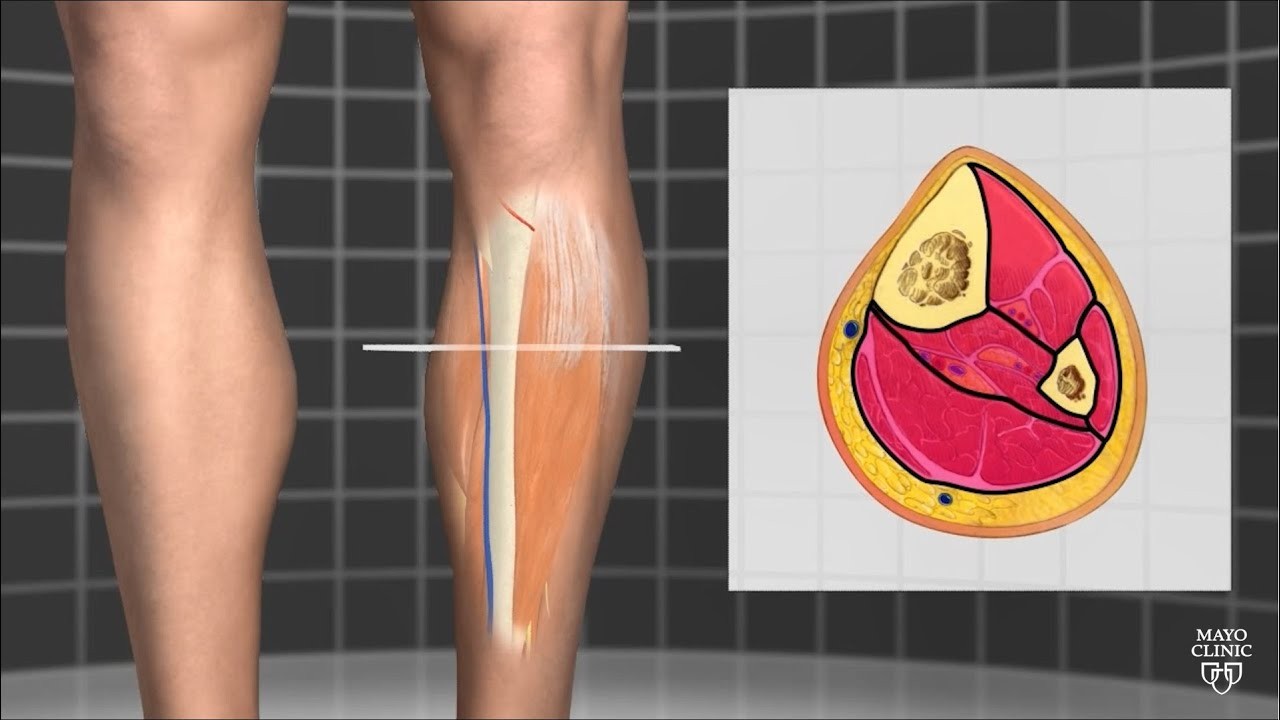
Sindrom kompartemen adalah kondisi peningkatan tekanan dalam kompartemen (kelompok otot, saraf dan pembuluh darah) yang menyakitkan dan bisa berakibat fatal. Kondisi ini disebabkan oleh perdarahan atau pembengkakan di dalam kumpulan otot yang tertutup.
Setiap kompartemen otot pada lengan dan tungkai diselubungi oleh membran yang tipis namun kuat bernama fasia. Membran fasia berfungsi untuk menjaga jaringan otot tetap berada pada tempatnya, sehingga fasia tidak meregang. Sindrom kompartemen terjadi ketika tekanan dalam kompartemen naik sampai tingkat yang berbahaya, sehingga aliran darah ke area tersebut terhambat. Fasia yang tidak bisa meregang akan membuat darah tersebut menumpuk, membuat tekanan di dalam kompartemen terus meningkat. Tanpa suplai oksigen dan nutrisi yang stabil, sel saraf dan otot dapat mengalami kerusakan.
Kondisi ini biasanya terjadi pada tungkai bawah, kaki, lengan, atau tangan, namun dapat terjadi pada semua tempat yang memiliki kompartemen tertutup. Sindrom kompartemen bisa menyebabkan kerusakan serius hingga kematian.
Terdapat dua jenis dari sindrom kompartemen, yaitu sindrom kompartmen akut (memiliki gejala serius dalam waktu singkat) dan sindrom kompartemen kronis.
- Sindrom kompartemen akut:
- Biasanya terjadi mendadak dan terasa sangat nyeri, umumnya setelah cedera berat atau fraktur (patah tulang).
- Kondisi ini tergolong sebagai kasus gawat darurat medis dan membutuhkan tata laksana segera.
- Dapat menyebabkan kerusakan otot permanen, kecacatan atau kematian jika tidak segera diobati.
- Sindrom kompartemen kronis:
- Terjadi perlahan, biasanya muncul selama atau sesaat setelah olahraga berulang atau aktivitas berat (seperti berlari atau bersepeda).
- Biasanya akan membaik dalam beberapa menit setelah menghentikan aktivitas dan beristirahat.
- Bukan merupakan kegawatdaruratan medis dan tidak menyebabkan kerusakan permanen.
Kami memiliki artikel mengenai patah tulang yang bisa Anda baca di sini: Fraktur - Definisi, Penyebab dan Faktor Risiko.
Penyebab
Sindrom kompartemen terjadi ketika ada perdarahan atau pembengkakan di dalam ruang kompartemen yang berisi saraf, pembuluh darah dan otot. Seiring banyaknya perdarahan atau pembengkakan di dalamnya, saraf dan otot akan tertekan oleh darah atau pembengkakan tersebut. Penyebab sindrom kompartemen berbeda berdasarkan jenis sindrom, apakah akut atau kronis.
Sindrom Kompartemen Akut
Sindrom kompartemen akut biasanya terjadi setelah cedera berat, seperti kecelakaan lalu lintas atau patah tulang. Kondisi ini jarang terjadi setelah cedera ringan.
Beberapa kondisi yang dapat menyebabkan sindrom kompartemen akut meliputi:
- Kerusakan tulang atau cedera setelah tertiban suatu benda berat menjadi penyebab akut yang paling sering.
- Pemasangan bidai atau perban yang terlalu kencang dalam waktu lama.
- Luka bakar, yang menyebabkan kulit menjadi tebal, tidak elastis, dan kencang
- Kondisi kembalinya aliran darah mendadak setelah suatu prosedur operasi untuk memperbaiki pembuluh darah yang rusak atau tersumbat.
- Penggunaan steroid yang menyebabkan ukuran otot meningkat terlalu cepat.
- Pada kasus yang jarang, sindrom kompartemen akut dapat terjadi tanpa cedera yang jelas.
Sindrom Kompartemen Kronis
Sindrom kompartemen kronis biasanya terjadi pada orang-orang yang berolahraga terlalu berat, atau melakukan olahraga yang melibatkan gerakan berulang. Contoh olahraga tersebut adalah berlari, bersepeda atau berenang.
Penyebab pastinya tidak dketahui. Namun diduga terjadi pembengkakan sementara pada otot saat olahraga sehingga mengganggu aliran darah yang menuju kelompok otot tersebut.
Faktor Risiko
Beberapa faktor yang bisa meningkatkan risiko Anda terkena sindrom kompartemen adalah:
- Meskipun semua orang pada berbagai kelompok usia dapat terkena sindrom kompartemen, kondisi ini paling sering ditemukan pada atlet berusia kurang dari 30 tahun.
- Aktivitas dengan gerakan berulang seperti berlari atau bersepeda bisa meningkatkan risiko Anda terkena sindrom kompartemen.
- Latihan fisik terlalu intens atau terlalu sering juga dapat meningkatkan risiko Anda mengalami hal ini.
Gejala
Sindrom Kompartemen Akut
Gejala biasanya muncul setelah cedera dan bisa memburuk dengan cepat. Gejala tersebut meliputi:
- Nyeri hebat terutama saat otot diregangkan atau digunakan. Penderita biasanya merasakan nyeri yang terasa jauh lebih berat daripada tampilan cederanya.
- Otot terasa kencang, bengkak dan terlihat lebih besar dari normal.
- Sensasi kesemutan atau terbakar pada kulit.
- Pada kasus yang berat, rasa baal atau kelemahan dapat muncul (hal ini merupakan tanda adanya kerusakan permanen).
Sindrom Kompartemen Kronis
Kondisi ini cenderung berkembang perlahan saat olahraga dan membaik dengan istirahat. Gejalanya meliputi:
- Nyeri atau kram saat olahraga dan hilang saat olahraga dihentikan, paling sering timbul pada kaki.
- Bengkak atau otot yang terlihat menonjol.
- Sensasi kesemutan.
- Area yang terkena berubah menjadi pucat dan dingin.
- Pada kasus yang berat, dapat sulit menggerakkan bagian tubuh yang terkena.
Diagnosis
Selain bertanya mengenai keluhan, riwayat cedera atau aktivitas yang dilakukan sebelum keluhan, dan riwayat penyakit, dokter akan melakukan beberapa hal berikut untuk mendiagnosis sindrom kompartemen:
- Pemeriksaan fisik
Dokter akan memeriksa tanda-tanda yang bisa dilihat secara fisik pada tubuh terkait kondisi Anda.
- X-ray
Pemeriksaan pencitraan seperti x-ray pada area tubuh yang dikeluhkan untuk melihat kondisi tulang dan jaringan di sekitarnya. Pemeriksaan ini dapat memperlihatkan cedera seperti patah tulang.
- Pemeriksaan pengukuran tekanan kompartemen
Jika dokter mencurigai adanya sindrom kompartemen, Anda akan membutuhkan pemeriksaan untuk mengukur tekanan di dalam ruang kompartemen. Dokter akan memasukkan jarum ke dalam otot pada tempat yang berbeda. Mesin yang terhubung dengan jarum akan menunjukkan hasil tekanan.
- Pemeriksaan tekanan berulang
Pada sindrom kompartemen kronis, pemeriksaan tekanan akan diulang sebelum dan setelah Anda berolahraga. Dokter akan membandingkan hasilnya.
Tata Laksana
Sindrom Kompartemen Akut
Kondisi gawat darurat ini harus mendapat pengobatan segera di rumah sakit. Terdapat terapi yang dulu dilakukan bernama fasiotomi emergensi dengan membuat sayatan untuk membuka kulit dan fasia yang mengelilingi otot. Namun saat ini prosedur ini sudah tidak dilakukan lagi. Umumnya pasien akan disarankan untuk operasi segera di ruang operasi.
Sindrom Kompartemen Kronis
Sindrom kompartemen kronis biasanya dapat reda dengan menghentikan olahraga yang mencetuskannya dan beralih pada aktivitas yang lebih ringan. Dokter bisa memberikan terapi berikut:
- Menghindari kegiatan yang menyebabkan sindrom kompartemen kronis.
- Mengganti rutinitas olahraga agar tidak melakukan hal yang sama berulang-kali dan tempat berolahraga.
- Fisioterapi atau terapi fisik.
- Penggunaan ganjalan sepatu (ortotik).
- Obat antiinflamasi non steroid (OAINS) dapat membantu meredakan keluhan nyeri.
- Operasi hanya akan dipertimbangkan jika gejala Anda menetap meskipun sudah melakukan hal-hal di atas.
Komplikasi
Sindrom kompartemen akut membutuhkan terapi segera. Jika tekanan dalam ruang kompartemen tidak segera menurun, kondisi ini dapat menyebabkan:
- Kontraktur otot (kekakuan dan kelainan bentuk otot).
- Kerusaskan permanen pada otot dan saraf dalam waktu 24 jam.
- Disabilitas permanen.
- Amputasi anggota gerak yang terkena karena jaringan sudah mati.
- Kematian.
Pencegahan
Untuk mencegah terjadinya cedera atau kecelakaan, Anda bisa berkendara dengan hati-hati atau menggunakan alat pelindung diri selama berolahraga.
Jika Anda memakai gips, splint atau bidai yang terasa terlalu kencang, beritahu dokter Anda. Mungkin cast atau splint tersebut perlu disesuaikan kembali untuk mencegah sindrom kompartemen. Perhatikan juga jika Anda sudah mengkonsumsi obat-obatan pereda nyeri namun bagian tubuh Anda tetap nyeri atau bengkak.
Sementara itu, Anda dapat mencegah sindrom kompartemen kronis dengan:
- Menambah intensitas olahraga secara perlahan, hindari berolahraga terlalu intens dalam waktu singkat.
- Mengubah posisi tubuh saat berolahraga untuk menghindari gerakan berulang.
- Meningkatkan fleksibilitas tubuh.
- Tidak melatih otot secara berlebihan.
- Menggunakan sepatu yang tepat sesuai olahraga yang dilakukan.
Kapan Harus ke Dokter?
Sindrom kompartemen akut perlu ditangani segera. Oleh karena itu, Anda harus mencari bantuan medis segera jika Anda berpikir Anda menderita sindrom kompartemen akut.
Sindrom kompartemen akut adalah sebuah kegawatdaruratan medis dan idealnya membutuhkan perawatan di rumah sakit dalam waktu beberapa jam untuk menghindari kerusakan permanen pada otot atau saraf.
Sindrom kompartemen kronis tidak terlalu serius bila dibandingkan dengan kondisi akutnya, namun tetap lebih baik jika Anda memeriksakan diri dan mendapatkan diagnosis pasti.
Mau tahu informasi seputar penyakit lainnya? Cek di sini, ya!
- dr Hanifa Rahma

Compartment syndrome (2019) NHS choices. NHS. Available at: https://www.nhs.uk/conditions/compartment-syndrome/ (Accessed: January 2, 2023).
Compartment syndrome: Symptoms, causes, treatments & recovery (2021) Cleveland Clinic. Available at: https://my.clevelandclinic.org/health/diseases/15315-compartment-syndrome (Accessed: January 2, 2023).
Compartment syndrome - orthoinfo - AAOS (2022) OrthoInfo. Available at: https://orthoinfo.aaos.org/en/diseases--conditions/compartment-syndrome/ (Accessed: January 2, 2023).