Definisi
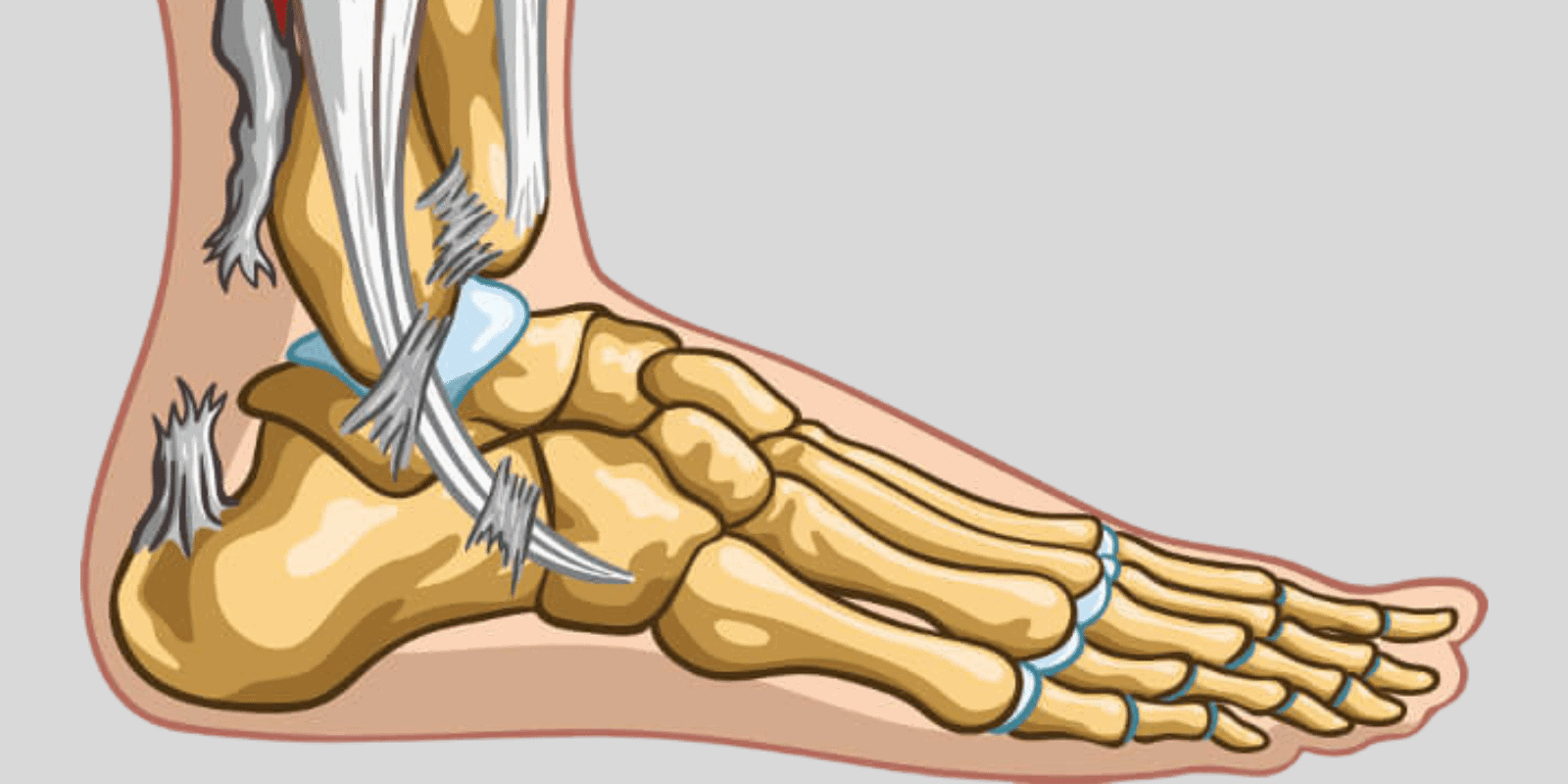
Ruptur tendon achilles adalah kondisi terjadinya robekan pada tendon achilles. Tendon adalah jaringan ikat yang kuat dan berfungsi untuk menghubungkan otot dengan tulang. Tendon achilles salah satu tendon paling besar dan kuat dalam tubuh serta memiliki struktur yang sangat tebal. Tendon ini berfungsi menempelkan otot betis pada tulang tumit sehingga Anda dapat berjalan, berlari dan melompat.
Walaupun struktur tendon achilles kuat dan tebal, terdapat kemungkinan tendon untuk mengalami robekan, terutama saat tendon achilles meregang terlalu kuat hingga robek. Robekan dapat terjadi pada sebagian atau seluruh tendon. Tendon achilles kemungkinan besar mengalami robekan saat Anda melompat tinggi. Saat melompat, kaki Anda mendorong tanah secara kuat dan hal ini bisa memberikan tekanan kuat pada tendon. Jika tendon achilles tidak dapat menahan adanya tekanan kuat yang datang atau tendon meregang di luar kapasitasnya maka robekan dapat terjadi.
Ruptur tendon achilles sering terjadi dan salah satu cedera olahraga yang umum ditemui. Ditemukan angka kejadian ruptur tendon achilles setiap tahunnya sekitar 18 kasus dari 100 orang. Penyakit ini paling sering terjadi pada populasi atlet, diperkirakan sekitar 1 juta atlet mengalami ruptur tendon achilles setiap tahunnya. Dari seluruh atlet, atlet sepak bola memiliki kemungkinan kecil mengalami kondisi ini dibandingkan dengan pemain tenis dan atlet senam.
Penyebab
Ruptur tendon achilles dapat disebabkan oleh beberapa kondisi seperti:
- Adanya gerakan mendadak pada area kaki yang menekan tendon achilles, contohnya:
- Melakukan olahraga tidak teratur dan berhenti tiba-tiba.
- Anda mengalami suatu kejadian seperti tersandung, melewati satu anak tangga saat menuruni tangga dan terkilir.
- Cedera atau trauma langsung pada tendon achilles.
- Mengalami peradangan tendon yang berlangsung lama.
Faktor Risiko
Risiko terjadinya ruptur tendon achilles meningkat pada kelompok orang dan kondisi berikut ini:
- Ruptur tendon achilles paling sering pada individu berusia 30-50 tahun.
- Jenis kelamin laki-laki.
- Kelebihan berat badan atau obesitas membuat tekanan pada tendon meningkat saat berjalan atau berlari.
- Pertambahan usia.
- Adanya kerusakan pada tendon achilles sebelumnya, baik akibat proses peradangan atau karena area kaki digunakan secara berlebihan.
- Meningkatkan intensitas olahraga tiba-tiba dibandingkan biasanya.
- Konsumsi obat steroid (antiperadangan) dan antibiotik (fluorokuinolon).
- Mengalami masalah kesehatan lainnya seperti asam urat tinggi, penyakit peradangan dan diabetes melitus. Kondisi ini dapat melemahkan kekuatan tendon achilles.
- Menggunakan sepatu yang tidak sesuai dengan olahraga atau aktivitas fisik yang Anda lakukan.
- Sedang memulai jenis latihan baru.
- Tidak memiliki lengkungan kaki atau disebut dengan kaki datar. Kondisi ini dapat meningkatkan terjadinya peregangan pada otot dan tendon saat melangkah.
- Mengenakan sepatu dengan hak tinggi akan memberi tekanan pada tendon.
- Perubahan permukaan saat berlari, misalnya berlari dari permukaan berumput ke permukaan beton.
Bila Anda tertarik untuk membaca lebih jauh mengenai kaki datar, Anda bisa membacanya di sini: Pes Planus - Definisi, Penyebab dan Faktor Risiko.
Gejala
Tanda dan gejala paling khas yang dapat Anda rasakan apabila mengalami ruptur tendon achiles adalah adanya sensasi letupan atau benturan pada bagian pergelangan kaki. Selain itu, keluhan lain yang dapat Anda rasakan adalah:
- Nyeri tajam yang muncul mendadak pada bagian belakang kaki di dekat tumit atau pergelangan kaki.
- Terdengar bunyi atau terasa sensasi "pop".
- Nyeri terasa semakin memburuk saat Anda bergerak.
- Bengkak dan memar di sekitar kaki.
- Teraba lembut di bagian tendon yang robek.
- Tidak dapat berjinjit.
- Sulit melekukkan kaki dan mengangkat jari-jari kaki.
Diagnosis
Dalam mendiagnosis ruptur tendon achilles, dokter akan bertanya mengenai gejala yang Anda rasakan, waktu mengalami cedera dan mekanisme terjadinya cedera.
Pemeriksaan fisik pada kaki juga dilakukan, dokter akan menilai apakah ada bengkak dan memar pada kaki. Selain itu, dokter juga akan memperhatikan kemampuan saat berdiri, pergerakan kaki ke segala arah dan apakah Anda bisa menapakkan kaki di lantai. Tendon achilles pada bagian belakang kaki akan diperiksa untuk menilai apakah terjadi cedera atau robekan. Tungkai juga diperiksa untuk melihat kontraksi otot pada betis dan kaki.
Untuk memastikan apakah tendon achilles robek dan melihat gambaran tulang serta jaringan lunak pada kaki, pemeriksaan penunjang bisa dilakukan. Dokter bisa menyarankan pemeriksaan radiologi seperti USG (ultrasonografi), MRI (Magnetic Resonance Imaging) dan X-ray.
Bila Anda tertarik untuk membaca artikel mengenai patah tulang, Anda bisa membacanya di sini: Fraktur - Definisi, Penyebab dan Faktor Risiko.
Tata Laksana
Sebelum Anda pergi fasilitas layanan kesehatan untuk mendapat penanganan terhadap cedera yang terjadi pada tendon achilles, Anda dapat melakukan pertolongan pertama terlebih dahulu. Pertolongan pertama bermanfaat untuk mengurangi nyeri dan bengkak, Anda bisa mengikuti langkah berikut ini:
- Istirahatkan kaki yang mengalami cedera.
- Kompres dingin pada bagian pergelangan kaki.
- Gunakan perban elastis pada pergelangan kaki untuk mencegah terjadinya pembengkakan lebih lanjut.
- Tinggikan kaki dengan bantal atau alas lain untuk mengurangi pembengkakan.
- Obat antinyeri yang dijual bebas bisa diminum untuk membantu meredakan nyeri.
Proses penyembuhan robekan pada tendon achilles membutuhkan waktu sekitar 4-6 bulan setelah menjalani terapi. Tata laksana medis yang dapat dilakukan untuk memperbaiki robekan pada tendon achilles meliputi:
- Gips
Penggunaan alat penguat dan gips bisa dilakukan agar kaki terfiksasi dan berada dalam posisi istirahat. Diharapkan kaki tidak tertarik ke atas dan ujung tendon achilles yang robek dapat menyatu.
- Pembedahan
Prosedur operasi biasanya direkomendasikan untuk kelompok orang yang memiliki aktivitas tinggi seperti atlet dan berusia muda. Pada tindakan operasi dilakukan pembedahan dan ujung tendon yang mengalami robek akan dijahit kembali. Pasca operasi pasien juga menggunakan gips untuk membuat tendon achilles istirahat selama proses penyembuhan.
- Terapi fisik
Terapi fisik bertujuan untuk membantu mengembalikan fungsi tendon achilles, meningkatkan kekuatan otot dan jangkauan gerakan kaki dan pergelangan kaki. Terapi salah satu komponen penting dalam tata laksana dan proses penyembuhan ruptur tendon achilles.
Komplikasi
Komplikasi yang dapat terjadi setelah tendon achilles Anda mengalami robekan yaitu:
- Terbentuk jaringan parut pada tendon.
- Kelemahan otot.
- Penurunan rentang gerak.
- Nyeri yang semakin berat.
- Kesulitan berjalan.
- Risiko mengalami robekan tendon berulang.
- Komplikasi pasca operasi seperti kulit terkelupas, infeksi luka operasi, kerusakan saraf dan terbentuknya jaringan parut.
Pencegahan
Langkah pencegahan untuk mengurangi risiko terjadinya ruptur tendon achiles meliputi:
- Melakukan peregangan dan pemanasan sebelum berolahraga dan pendinginan setelahnya.
- Mempertahankan berat badan ideal untuk mengurangi beban pada tendon achilles.
- Menggunakan alas kaki atau sepatu yang sesuai dengan ukuran yang pas saat berolahraga atau latihan fisik.
- Meningkatkan frekuensi olahraga atau latihan fisik secara perlahan.
- Hindari berolahraga dengan intensitasi tinggi secara mendadak.
- Latihan peregangan dan penguatan betis untuk meningkatkan kekuatan tendon achilles.
Kapan Harus Ke Dokter?
Apabila Anda mengalami cedera pada pergelangan kaki dan terdapat keluhan nyeri tajam disertai dengan adanya sensasi letupan, sebaiknya Anda segera pergi ke Instalasi Gawat Darurat (IGD) terdekat untuk mendapat penanganan lebih lanjut.
Mau tahu informasi seputar penyakit lainnya? Cek di sini, ya!
- dr Hanifa Rahma

Achilles Tendon Injuries – Cedars-Sinai. (2022). Retrieved 20 November 2022, from https://www.cedars-sinai.org/health-library/diseases-and-conditions/a/achilles-tendon-injuries.html.
Wedro B. Achilles Tendon Rupture – medicinet. (2022). Retrieved 20 November 2022, from https://www.medicinenet.com/achilles_tendon_rupture/article.htm.
Achilles Tendon Rupture (tear) – southerncross. (2022). Retrieved 20 November 2022, from https://www.southerncross.co.nz/medical-library/muscle-joint-and-bone-conditions/achilles-tendon-rupture-tear-symptoms-causes-and-treatment#.Y3zTXIVBzcc.
Achilles Tendon Rupture – FootHealthFacts. (2022). Retrieved 20 November 2022, from https://www.foothealthfacts.org/conditions/achilles-tendon-rupture.
Achilles Tendon Rupture – mayoclinic. (2022). Retrieved 20 November 2022, from https://www.mayoclinic.org/diseases-conditions/achilles-tendon-rupture/diagnosis-treatment/drc-20353239
Shamrok AL, Varacalo M. Achilles Tendon Rupture – StatPearls. (2022). Retrieved 20 November 2022, from https://www.ncbi.nlm.nih.gov/books/NBK430844/.
Achilles Tendon Rupture – clevelandclinic. (2022). Retrieved 20 November 2022, from https://my.clevelandclinic.org/health/diseases/21703-achilles-tendon-rupture.
Achilles Tendon Rupture – bupa. (2022). Retrieved 20 November 2022, from https://www.bupa.co.uk/health-information/muscles-bones-joints/achilles-tendon-rupture.