
Definisi
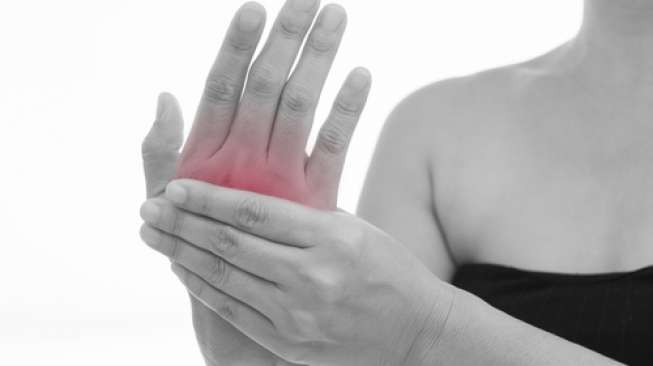
Kontraktur merupakan kondisi dimana terjadi kekakuan pada jaringan tubuh. Jaringan tersebut seharusnya bersifat fleksibel. Kontraktur biasa terjadi pada jaringan otot, tendon, ligamen dan kulit. Kontraktur sendiri merupakan kelainan atau pemendekan dari otot atau sendi yang terjadi saat kelenturan jaringan lunak dibawah kulit berkurang dan tidak dapat meregang.
Kontraktur pada otot menyebabkan otot menjadi mengecil dan memendek, sedangkan kontraktur pada ligamen atau tendon pada area persendian menyebabkan sendi kaku membeku dan tidak dapat digerakkan. Kontraktur pada kulit umumnya berupa jaringan parut yang menyebabkan kulit memendek dan kaku.
Kondisi ini sering menyebabkan rasa nyeri dan membatasi pergerakan pada bagian tubuh tersebut sehingga pasien akan mencari pengobatan salah satunya dengan terapi fisik.
Penyebab
Penyebab paling sering dari kontraktur yaitu kurangnya gerakan pada daerah tersebut seperti pada pasien gangguan sendi, rematik, atau osteoarthritits yang berat. Kontraktur sendiri terjadi saat otot atau sendi terlalu tegang dalam waktu yang lama sehingga otot dan sendi menjadi lebih pendek dan tidak dapat berfungsi dengan nomral. Penyebab umum dari kontraktur meliputi :
- Gangguan pada otak dan saraf
- Beberapa kondisi atau penyakit apda otak dan sistem saraf seperti lumpuh otak, polio, rematik, stroke, kerusakan saraf, cerebral palsy dan parkinson
- Kondisi genetik
- Pada kasus mengecilnya otot, kondisi ditandai dengan otot yang lemah dan hilangnya jaringan. Salah satu jenis distrofi otot atau mengecilnya otot adalah penyakit distrofi otot Duchenne (Duchenne muscular distrophy).
- Tidak menggerakan bagain tubuh yang sakit dalam waktu yang lama
- Cedera traumatik
- Luka bakar
Jika Anda ingin mengetahui lebih lanjut mengenai Duchenne muscular distrophy, Anda dapat membacanya di sini: Duchenne Muscular Distrophy - Definisi, Penyebab, Gejala dan Pengobatannya
Faktor Risiko
- Usia
- Kondisi ini umumnya terjadi pada usia di atas 50 tahun
- Jenis kelamin
- Laki-laki lebih memiliki risiko dibandingkan perempuan. Pada laki-laki, gejala mungkin lebih buruk dan memiliki perburukan yang lebih cepat
- Keturunan
- Orang keturunan Eropa Utara memiliki risiko yang lebih tinggi mengalami kontraktur
- Riwayat keluarga
- Kondisi ini menurun pada keluarga
- Pekerjaan
- Pada beberapa penelitian, terjadi korelasi hubungan antara kontraktur dengan pekerja yang menggunakan alat yang bergetar
- Diabetes
- Penggunaan alkohol dan tembakau
Gejala
Gejala utama dari kontraktur yaitu rasa nyeri dan berkurangnya kemampuan untuk menggerakan area tertentu di tubuh. Hal ini disebabkan oleh kontraktur yang membatasi gerakan normal jika gejala terus berkembang sehingga jaringan otot yang biasanya lentur menjadi kurang fleksibel. Anda juga mungkin akan kesulitan dalam menggerakan tangan seperti biasa, meregangkan kaki dan meluruskan jari-jari.
Diagnosis
Dokter akan melakukan pemeriksaan fisik, menanyakan mengenai riwayat keluarga, riwayat penyakit, rentang waktu terjadinya kekakuan dan lainnya. Dokter akan menggerakkan bagian tubuh yang mengalami kontraktur dan menilai derajat gerakan yang bisa dilakukan. Pemeriksaan tambahan dapat dilakukan untuk menilai penyebab kontraktur seperti rontgen x-ray atau magnetic resonance imaging (MRI). Pemeriksaan ini mungkin dilakukan bila dokter menduga penyebab kontraktur yaitu masalah pada otot, tendon atau ligamen.
Jika kontraktur diduga disebabkan oleh gangguan saraf, pemeriksaan CT-scan otak atau elektromiografi mungkin perlu dilakukan, tergantung pada tipe kelainan saraf yang terjadi. Kontraktur biasanya didiagnosis dengan menggunaan rontgen x-ray.
Tata Laksana
Pengobatan untuk mengatasi kontraktur sangat bervariasi bergantung pada tingkat keparahan kontraktur, lokasi dan penyakit yang menyertai. Dokter juga akan mempertimbangkan adanya gangguan dalam batasan jangkauan gerakan yang bisa dilakukan. Setelah diagnosis ditegakkan, pasien akan berkonsultasi dengan dokter untuk tindakan pengobatan yang dilakukan. Semakin dini kontraktur diobati, semakin besar pula pasien dapat kembali menggerakan bagian tubuh meraka dengan normal. Begitu pula sebaliknya.
Beberapa pengobatan untuk kontraktur biasanya menggunakan gabungan dari :
- Obat-obatan
- Kontraktur dapat menyebabkan nyeri otot dan peradangan. Obat-obatan anti-nyeri dan anti-radang dapat digunakan untuk mengurangi gejala ini.
- Terapi fisik
- terapi fisik bertujuan untuk memperkuat otot, mencegah memburuknya kontraktur, dan berusaha untuk memperluas jangkauan gerak pasien. Namun, terapi fisik akan lebih efektif apabila dilakukan terus menerus, dan dilengkapi dengan latihan yang dilakukan oleh pasien di rumah. Terapi fisik juga dapat berfungsi sebagai langkah pencegahan bagi individu yang berisiko tinggi mengalami kontraktur, misalnya pasien yang mengalami lumpuh otak atau pasien yang menginap di rumah sakit untuk waktu yang lama.
- Terapi Okupasi
- Terapi ini umumnya dilakukan bersama dengan fisioterapi. Terapi okupasi merupakan tindakan untuk melatih pasien agar mampu melakukan aktivitas sehari-hari secara mandiri.
- Alat bantu (penggunaan splint atau cast)
- Pada kondisi kontraktur, splint atau cast juga dapat digunakan untuk mengatur ulang posisi tulang, otot, dan tendon ke jangkauan area gerak yang seharusnya.
- Rangsangan listrik atau terapi panas
- Cara ini merupakan teknik non-tradisional yang lebih baru dan juga dapat digunakan untuk menunda atau menghindari operasi.
- Operasi
- Kontraktur hanya bisa dihilangkan atau disembuhkan sepenuhnya dengan operasi tulang, di mana otot yang tegang akan diregangkan
Baca selengkapnya mengenai sklerosis multipel, di sini: Sklerosis Multipel - Definisi, Penyebab, Gejala dan Pengobatannya
Komplikasi
Menunda atau mengabaikan perawatan dapat mempersulit atau tidak mungkin bagi Anda untuk mendapatkan kembali rentang gerak Anda layaknya normal sediakala.
Otot, persendian, dan kulit yang kaku dapat mengganggu aktivitas sehari-hari di rumah dan di tempat kerja.
Untuk orang dengan penyakit seperti serebral palsi, distrofi otot, dan sklerosis multipel, perawatan medis berkelanjutan dianjurkan untuk memaksimalkan pengobatan yang sudah dijalani.
Jika Anda sudah berada di rumah sakit untuk waktu yang lama atau telah terluka, sangat penting untuk memberi tahu penyedia layanan kesehatan Anda tentang kekakuan atau kehilangan gerakan yang Anda miliki.
Pencegahan
Kontraktur lebih mudah dicegah daripada diobati. Kontraktur dapat dicegah dengan melakukan olahraga secara teratur sehingga dapat mencegah sendi dan otot tidak menjadi kaku. Olahraga teratur dan menerapkan gaya hidup aktif dapat membantu mencegah kekakuan otot dan sendi.
Pada pasien yang harus menjalani perawatan cukup lama di rumah sakit, disarankan untuk tetap menggerakkan sendi-sendinya secara rutin, baik digerakkan secara aktif maupun pasif. Terapi fisik dan terapi okupasi untuk menggerakkan persendian juga dapat membantu mencegah area yang bermasalah menjadi kaku.
Jika Anda ingin mengetahui lebih lanjut mengenai rheumatoid arthritis, Anda dapat membacanya di sini: Rheumatoid Arthritis - Definisi, Penyebab, Gejala dan Pengobatannya
Kapan Harus ke Dokter?
Bila Anda mengalami luka bakar atau cedera, segera hubungi tim medis. Selain itu, bila kemampuan untuk menggerakan bagian tubuh yag terluka tiba-tiba terbatas, memiliki kondisi lain yang dapat memicu kontraktur seperti rheumatoid arthritis, segara hubungi dokter untuk mencari bantuan untuk mengurangi dan mencegah kontraktur. Bila diperlukan, diskusikan dengan dokter ortopedi terkait kondisi Anda dan bagaimana penanganan yang tepat.
Mau tahu informasi seputar penyakit lainnya? Cek di sini, ya!
- dr. Monica Salim

Contracture deformity. (2022). Retrieved 26 December 2022, from https://www.mountsinai.org/health-library/symptoms/contracture-deformity
Everything You Need to Know About Contracture Deformity. (2019). Retrieved 26 December 2022, from https://www.healthline.com/health/contracture-deformity
Contracture Deformity. (2020). Retrieved 26 December 2022, from https://medlineplus.gov/ency/article/003185.htm
Dupuytren Contracture. (2022). Retrieved 26 December 2022, from https://www.mayoclinic.org/diseases-conditions/dupuytrens-contracture/symptoms-causes/syc-20371943
Joint and Muscle Contracture. (2022). Retrieved 26 December 2022, from https://www.upmc.com/services/orthopaedics/conditions-treatments/contractures-and-stiffness