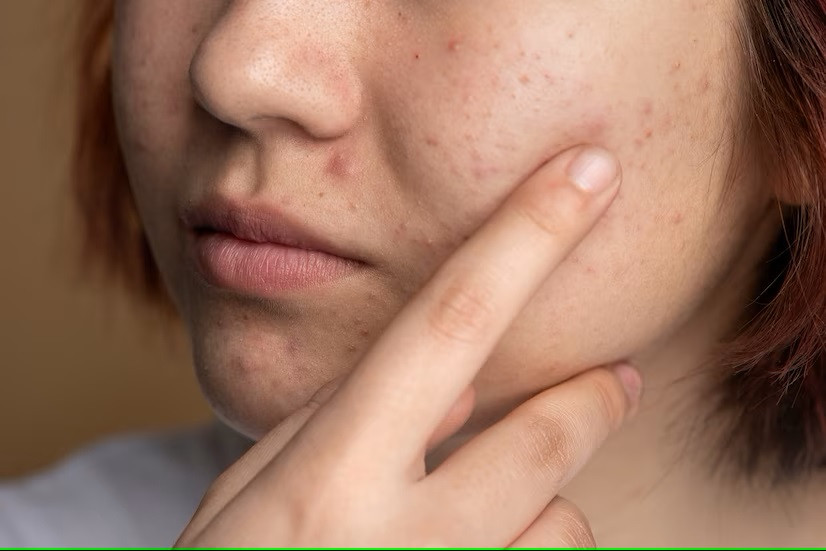
Having scars on your face or other body areas can affect your self-confidence and self-esteem. Certain scars, including acne scars, burn scars, surgical scars, or injury scars, may also influence your social life and work.
With laser treatments, however, scars no longer need to be a major concern. Laser treatments can restore your confidence, make scars far less visible, and help your skin to appear closer to its original appearance.
Types of Laser Treatments
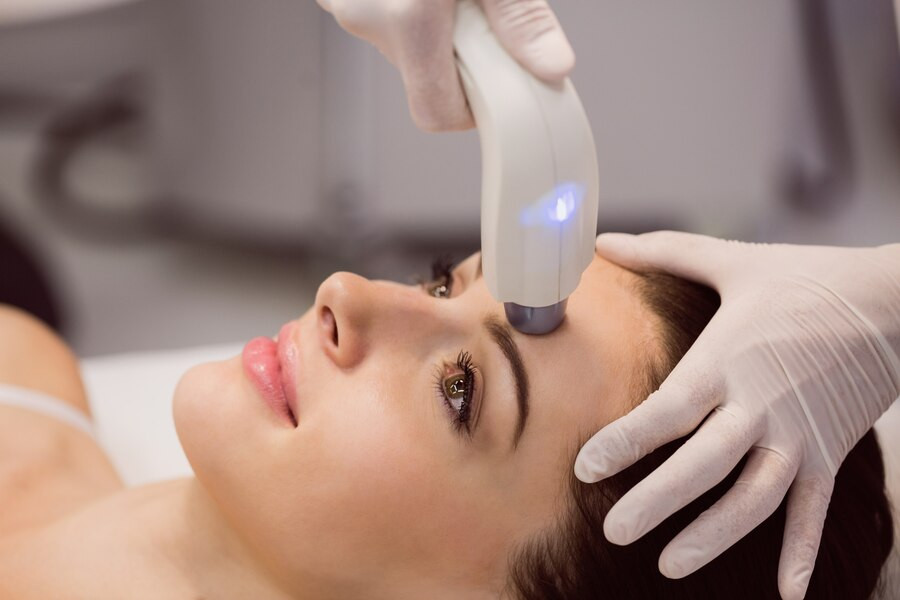
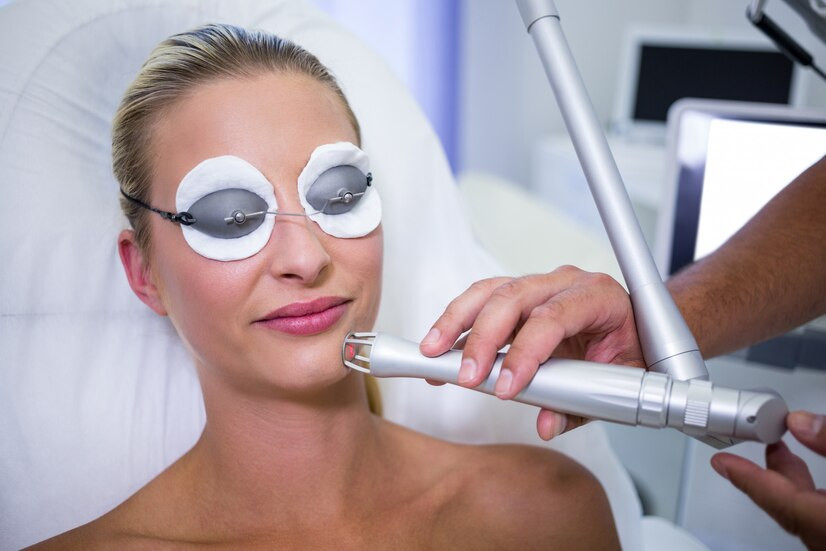
Laser treatments, also called skin resurfacing, can help reduce the appearance of wrinkles, dark spots, and scars. Even scars that have been present for years can be addressed with laser treatments.
Laser treatments work by directing the laser to remove scar tissue or create micro-injuries that will stimulate collagen production and encourage the growth of smoother new skin. Different laser treatment procedures offer distinct benefits and mechanisms, as outlined below:
- Ablative Laser Resurfacing
This type of laser treatment improves the appearance of facial scars, warts, and wrinkles. Resurfacing removes the outermost skin layer and eliminates damaged surface skin cells.
- Fractionated Laser Resurfacing
This type of laser treatment penetrates deeper within the skin’s surface layers to target dark pigmented cells. The procedure also stimulates collagen formation and skin renewal, help to make scars appear less noticeable.
- Non-ablative laser resurfacing
This infrared laser treatment reaches the deeper layers of the skin, promoting collagen production and cell turnover to replace damaged skin cells.
Does Laser Treatment Have Risks and Side Effects?
Because facial laser treatments use heated laser beam, you may experience certain side effects after the procedure, including:
-
Scars
-
Swelling
-
Itching
-
Redness
-
Bleeding
-
Pain
-
Milia (small white bumps similar to whiteheads)
-
Hyperpigmentation (darkening color of the skin)
It is important to understand that laser treatments do not remove scars completely; this procedure lighten their appearance, make them less noticeable, and can reduce pain or itching.
Preparations Before Laser Treatment
Before you have your appointed laser treatments, your doctor may recommend the following:
-
Avoid medications that can increase bleeding risk, such as aspirin, ibuprofen, naproxen, and herbal supplements like garlic and ginkgo biloba.
-
Stop using products containing glycolic acid (AHA) or retinoids for at least 2–4 weeks.
-
Limit direct sun exposure by applying a high SPF sunscreen.
-
Avoid other cosmetic procedures such as chemical peels, collagen injections, and waxing.
-
Quit smoking at least 2 weeks before the procedure.
Before you start laser treatments, discuss expected outcomes and possible risks with your doctor, along with any required aftercare. Severe scars may require multiple sessions, so it is important to follow these pre-treatment instructions.
Looking for more information about health tips and tricks, first aid, and other home remedies? Click here!
- dr Hanifa Rahma
American Academy of Dermatology Association. 10 Things to Know Before Having Laser Treatment for Your Scar. Available from: https://www.aad.org/public/cosmetic/scars-stretch-marks/laser-treatment-scar
Teresa Beard (2021). What to Know About Laser Scar Treatment. Available from: https://www.webmd.com/beauty/what-to-know-laser-scar-treatment
Valencia Higuera (2018). Laser Treatment for Scars: What You Should Know. Available from: https://www.healthline.com/health/laser-treatment-for-scars
Rachel Nall, MSN, CRNA (2019). What to know about laser treatment for scars. Available from: https://www.medicalnewstoday.com/articles/325762