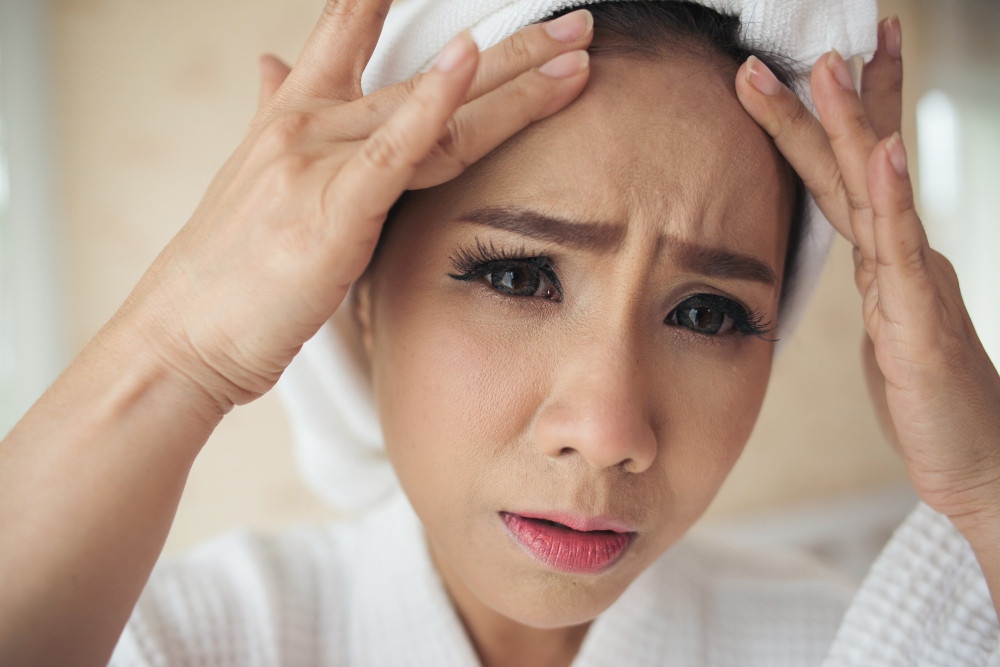
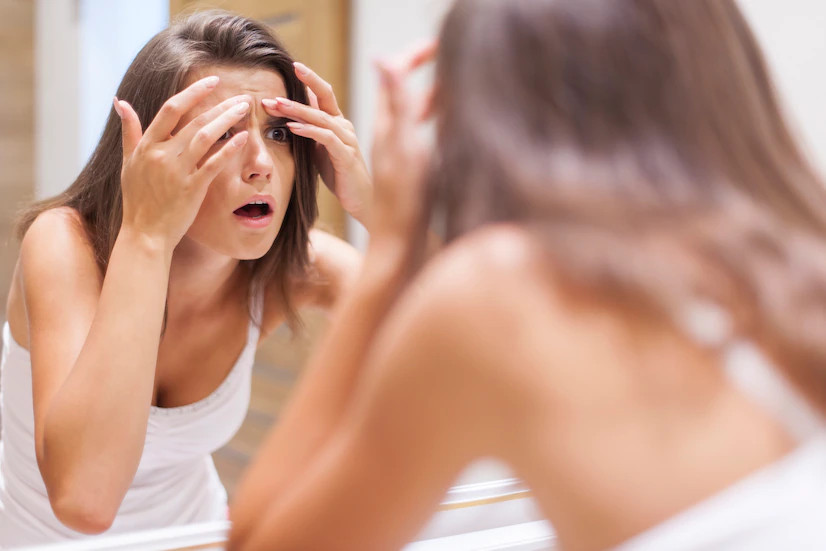
As the name implies, cystic acne is one of the most severe and persistent forms of acne, often leading to infection and inflammation. This condition develops when pimples form deep under the skin. Cystic acne occurs due to a buildup of bacteria, excess oil, and dead skin cells that become trapped inside the pores and cannot naturally drain out.
Although anyone can experience it, cystic acne is more likely to appear in individuals with oily skin or hormonal imbalances. While it may gradually improve with age, the lumps will not go away on their own without proper treatment and consistent care.
Signs of Cystic Acne
Cystic acne shows specific characteristics that distinguish it from other types of acne, such as:
-
Pimples that contain pus
-
Large white bumps on the skin
-
Red and inflamed pimples
-
Acne with tenderness
This type of acne can appear in many areas, including the face, chest, neck, back, and arms. Treatment may sometimes require oral antibiotics to reduce bacterial growth and inflammation. If the cause is related to hormonal imbalance, doctors may also prescribe birth control pills, which help control sebum production.
Tips to Prevent Cystic Acne
People with oily skin or hormonal problems are at higher risk of developing cystic acne. To minimize the chance of breakouts, you can try the following steps:
-
Use a gentle face or body cleanser and avoid soaps that contain scrubbing particles.
-
Wash your face with warm water using only your hands, not sponges or towels, especially after sweating or doing activities.
-
Apply a water-based moisturizer to keep skin from drying out.
-
Choose makeup products labeled non-comedogenic or water-based to avoid clogging pores.
-
Never go to bed with makeup on. Always remove it with micellar water or makeup remover, then wash your face with a cleanser.
-
Keep your hands away from your face if they are dirty, as this can spread bacteria.
-
Avoid popping pimples. Instead, apply acne cream to allow them to dry naturally.
-
Wash your hair every day to prevent oil buildup that may spread to your skin.
-
Limit the intake of sweet foods and dairy products, as these can make acne worse.
-
Apply sunscreen daily to protect skin from sun damage and to support acne treatment.
-
Cut back on high-glycemic foods such as white bread, rice, pasta, and other sugary snacks.
Never attempt to squeeze or self-treat cystic acne at home. Most cases require medical treatment to prevent worsening and scarring. Early management also helps stop acne from spreading to other parts of the body or face, which can affect both physical appearance and self-confidence.
Looking for more information about health tips and tricks, first aid, and other home remedies? Click here!
- dr Hanifa Rahma
Cleveland Clinic (2021). Cystic Acne. Available from: https://my.clevelandclinic.org/health/diseases/21737-cystic-acne
Kristeen Cherney (2019). What Is Cystic Acne and How Is It Treated?. Available from: https://www.healthline.com/health/beauty-skin-care/cystic-acne
Markus MacGill (2017). Everything you need to know about cystic acne. Available from: https://www.medicalnewstoday.com/articles/103258